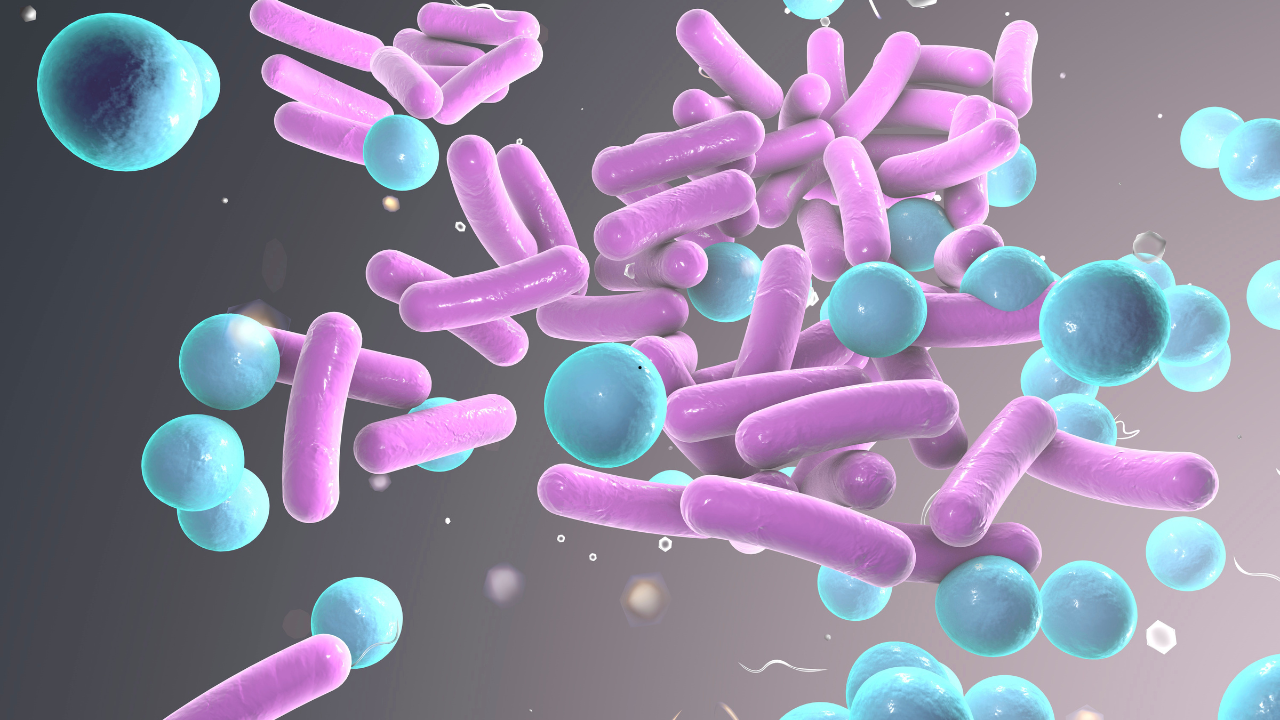
European health agencies are flagging a rise in infections caused by Shigella infection among travellers returning from Cape Verde, prompting renewed focus on hygiene and food safety during international travel.What is Shigella and why is it concerning?Shigella is a highly infectious bacteria that causes gastrointestinal illness, commonly known as shigellosis. Symptoms typically include diarrhea, fever and stomach cramps, which can range from mild to severe. Globally, the burden is significant. Estimates suggest around 188 million cases occur each year, leading to over 1.6 lakh deaths.The infection spreads easily through contact with contaminated food, water or surfaces, and even through person-to-person transmission. This makes it particularly concerning in travel settings such as hotels and resorts, where shared facilities are common.Cases linked to Cape Verde travelHealth authorities in Europe have observed a noticeable uptick in travel-related infections. According to surveillance data, the UK Health Security Agency reported 158 cases since October 2025, with a majority linked to international travel. Among these, most travellers had recently visited Cape Verde, particularly popular tourist areas like Santa Maria and Boa Vista.Similarly, the European Centre for Disease Prevention and Control has tracked hundreds of cases across multiple countries, including the UK, France, Sweden and the Netherlands. Investigations suggest that many infections are caused by a specific strain of Shigella sonnei, indicating a possible common source or ongoing transmission route.However, authorities note that while the numbers are higher than expected, the situation does not necessarily meet the threshold of a large-scale outbreak.Is it an outbreak or not?There is a difference in how the situation is being interpreted. European agencies have described it as an outbreak due to the rise above typical background levels. In contrast, Cape Verde’s public health officials maintain that their surveillance systems have not detected an outbreak.Local authorities point out that cases of diarrhea can increase in hotel settings worldwide and that not all rapid tests used in private clinics are specific to Shigella. More detailed investigations are currently underway to determine the exact source of infections.Who is most at risk?Certain groups are more vulnerable to infection. These include young children, people with weakened immunity, and those travelling abroad. Experts also note that exposure risk increases in environments where hygiene practices may vary.Interestingly, many affected travellers were staying in high-end, all-inclusive resorts, suggesting that even premium accommodations are not immune to such risks.Travel advice and precautionsDespite the concerns, Cape Verde’s tourism authorities continue to emphasize that the destination remains safe. With over 1.2 million visitors annually, including a large number from the UK, officials argue that the proportion of infections remains relatively small.Health experts agree that the focus should be on prevention rather than avoidance. Simple measures can significantly reduce risk. These include frequent handwashing, using hand sanitizers, and consuming freshly cooked, well-heated food. Avoiding raw or undercooked items and being cautious with water sources is also recommended.Travel medicine specialists highlight that gastrointestinal illness is relatively common during international travel, especially in warmer destinations. In fact, a significant proportion of travellers may experience some form of digestive issue during their trips.