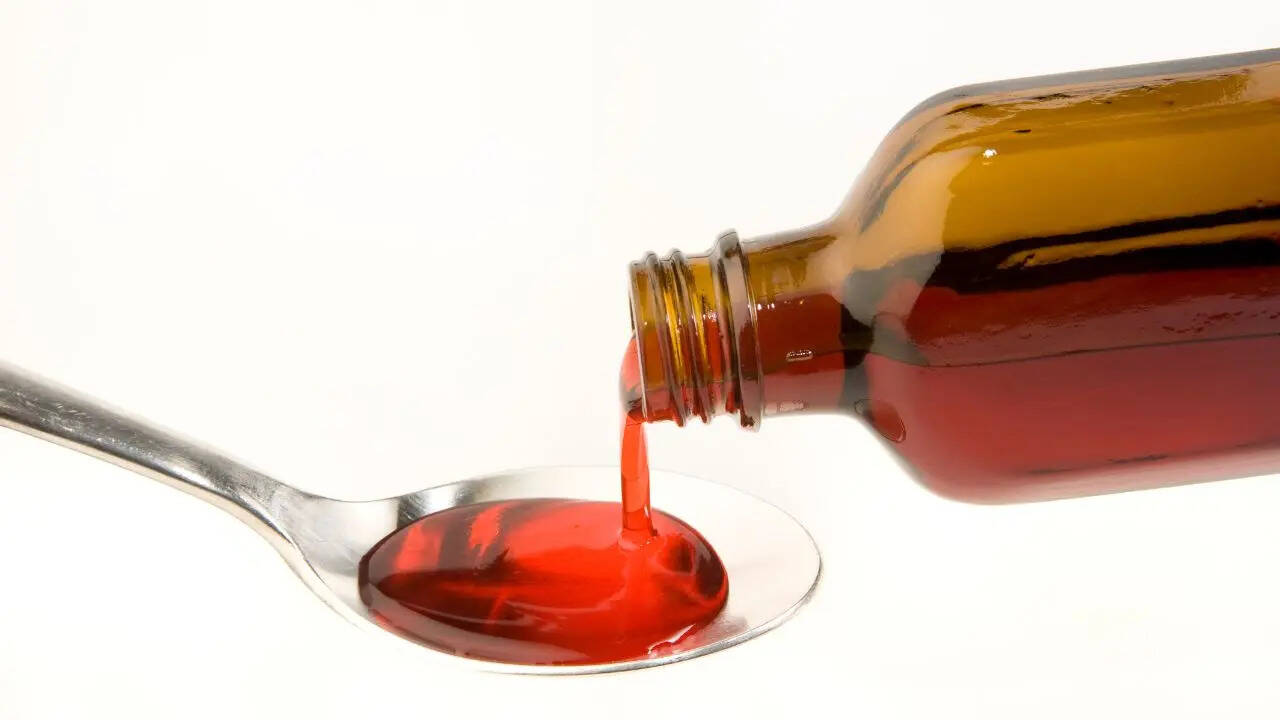
The Telangana Drugs Control Administration on Saturday released an urgent advisory asking the public to immediately stop using Almont-Kid Syrup, a medicine commonly given to children for allergies, hay fever, and asthma, after it was allegedly found to be contaminated with Ethylene Glycol (EG), a highly poisonous chemical.In an official notice, the DCA said it received an alert from the Central Drugs Standard Control Organisation (CDSCO), East Zone, Kolkata. A laboratory analysis flagged the syrup, which contains Levocetirizine Dihydrochloride and Montelukast Sodium, as adulterated.Telangana Issues Notice For Children’s Syrup After Toxic Adulteration FoundThe Telangana Drugs Control Administration (DCA) issued a warning advising people to stop using Almont-Kid Syrup after tests allegedly found Ethylene Glycol (EG) in the product. The syrup is commonly prescribed to children to relieve allergy-related symptoms such as sneezing, runny nose, itching, swelling, nasal congestion, and watery eyes. It is also used to manage asthma and certain skin allergies.According to the DCA notice, the alert was triggered by a communication from the Central Drugs Standard Control Organisation (CDSCO), East Zone, Kolkata, following a lab report that declared the Levocetirizine Dihydrochloride and Montelukast Sodium Syrup as adulterated.The DCA stated, “In light of the above, the public is hereby strongly advised to immediately stop the use of the above syrup, if in possession, and report the same to the nearest Drugs Control Authority without delay.” Officials have instructed Drugs Inspectors and Assistant Directors across Telangana to immediately inform retailers, wholesalers, distributors, and hospitals to freeze any available stock of the affected batch and ensure it is not sold or dispensed under any circumstances. The DCA has also urged members of the public to report if they have the syrup and to avoid using it altogether.What Is Ethylene Glycol?Ethylene glycol is a colourless, odourless, and low-volatility liquid, according to Science Direct. It has a low freezing point and a high boiling point, which is why it is widely used in antifreeze and de-icing products. Ethylene glycol has a sweet taste, which increases the risk of accidental ingestion, especially among children. Experts warn that untreated ingestion of ethylene glycol can result in severe illness and can be fatal, as per Cleveland Clinic.What Is Ethylene Glycol Poisoning?Ethylene glycol poisoning happens when the substance is swallowed. Once ingested, it is rapidly absorbed into the body, with peak levels usually reached within one to two hours. In the first 30 minutes to 12 hours, symptoms can resemble alcohol intoxication and may include dizziness, euphoria, slurred speech, nausea, vomiting, and problems with coordination. In severe cases, this stage can progress to seizures or coma due to the chemical’s direct toxic effects on the brain.During the next phase, typically between 12 and 36 hours, the body breaks down ethylene glycol into harmful acids such as glycolic acid. This leads to metabolic acidosis, fast heart rate, rapid breathing, low calcium levels, muscle spasms, and possible heart failure. Without timely medical treatment, this stage can be life-threatening. Between 36 and 72 hours after ingestion, kidney injury may develop as oxalate crystals form, potentially causing acute kidney failure, reduced or absent urine output, brain swelling, and long-term organ damage.Impact Of Ethylene Glycol PoisoningEthylene glycol poisoning can cause serious and potentially fatal complications because its toxic byproducts affect multiple organs. Some of the key impacts, as per Mayo Clinic, include:Brain and Nervous System Damage: In the early phase, the toxin can cause confusion similar to intoxication, seizures, and coma due to its direct effect on the nervous system. Later on, acid buildup can lead to brain swelling and encephalopathy. If untreated, this may result in permanent brain damage, stroke-like symptoms, or death.Heart and Lung Failure: Glycolic acid can trigger severe metabolic acidosis, leading to rapid or irregular heartbeats, dangerously high or low blood pressure, and heart failure. This may progress to fluid buildup in the lungs, breathing failure with deep and rapid breaths, and eventual circulatory collapse.Kidney Damage: The formation of oxalate crystals in the kidneys can cause acute tubular necrosis, flank pain, blood in the urine, and reduced or stopped urine production. In some cases, acute kidney injury progresses to complete kidney failure, which may be permanent and require long-term dialysis or a transplant.Multi-Organ Collapse: Ethylene glycol disrupts normal cellular function, leading to low calcium levels, muscle spasms, tremors, and lactic acidosis. In severe and untreated cases, this can result in shock, failure of multiple organs, and death.Long-Term Consequences: People who survive ethylene glycol poisoning may experience lasting health problems such as chronic kidney disease, nerve damage, or heart complications. Outcomes are significantly worse when treatment is delayed or when the patient develops seizures, coma, or severe acidosis.