
- Health Conditions A-Z
- Health & Wellness
- Nutrition
- Fitness
- Health News
- Ayurveda
- Videos
- Medicine A-Z
- Parenting
This Blood Test May Reveal The Right Breast Cancer Treatment Before Therapy Begins

Credits: Canva
Scientists have created a straightforward DNA blood test that can help predict how effectively people with breast cancer will respond to treatment. Each year, more than two million individuals worldwide are diagnosed with the condition, making it the most common cancer globally. While treatment options have advanced over the years, doctors still face challenges in identifying which therapies will work best for each patient.
Researchers have now developed a liquid biopsy that can indicate how likely a patient is to benefit from a particular treatment, even before therapy starts. This development could mark a major shift in care, as it may allow patients to move sooner to better options and avoid treatments that are unlikely to help, improving their chances of recovery. Below, we look closely at the study that explains how this blood test works.
New Blood Test Can Predict Breast Cancer Treatment
People with breast cancer could soon benefit from a new blood test that predicts treatment response before therapy begins, offering hope for better outcomes and improved quality of life. Scientists have designed a liquid biopsy that examines small fragments of cancer DNA circulating in the bloodstream. This allows doctors to see which treatments are most likely to be effective for each patient. Reported in the journal Clinical Cancer, the test could help clinicians steer away from ineffective therapies, shift patients to more suitable options earlier, and personalise treatment decisions much sooner.
How Does Breast Cancer Spread?
Breast cancer develops when cells in the breast begin to grow abnormally and form a dangerous lump. It most often starts in the milk ducts or milk-producing glands and can spread to other areas of the body if it is not treated early. The disease occurs when changes in breast cells cause them to multiply uncontrollably. These changes may be inherited or develop over time. Known risk factors include increasing age, a family history of breast cancer, hormonal factors, excess weight, alcohol consumption and physical inactivity. In some cases, no clear cause can be identified.
According to the World Health Organisation (WHO), breast cancer is the most common cancer worldwide.
What Does The Research Reveal?
The research, led by scientists at the Institute of Cancer Research, examined patients with advanced breast cancer. Blood samples were used to measure levels of circulating tumour DNA, which is genetic material released into the bloodstream by cancer cells, both before treatment began and again after four weeks.
Researchers then analysed how these ctDNA levels related to patient outcomes, including tumour response to treatment and the length of time the cancer remained controlled. The findings showed a clear association between low ctDNA levels and better responses to treatment. Patients who had low or undetectable ctDNA either at the start of therapy or after just one cycle were far more likely to respond positively.
Participants were split into two groups based on cancer type and genetic mutations. The first group included patients with mutations such as ESR1, HER2, AKT1, AKT or PTEN, who were treated with targeted therapies designed to match their specific genetic changes.
The second group involved patients with triple-negative breast cancer, a particularly aggressive form that lacks targetable mutations. These patients were treated with a combination of the PARP inhibitor olaparib and the ATR inhibitor ceralasertib.
Among those with triple-negative breast cancer, patients who had low ctDNA levels before treatment saw longer periods where the disease did not worsen, averaging 10.2 months compared with 4.4 months in patients with higher ctDNA levels.
Treatment response rates were also notably higher. Tumours shrank or disappeared in 40 per cent of patients with low ctDNA, compared with only 9.7 per cent of those with higher levels.
In patients receiving targeted therapies, a similar but less pronounced pattern was seen before treatment began. However, results after four weeks were particularly strong. Patients whose ctDNA levels dropped to undetectable levels experienced far better outcomes, with cancer control lasting 10.6 months compared with 3.5 months in those whose ctDNA remained detectable.
In the triple-negative group, patients whose ctDNA disappeared after four weeks had their disease kept under control for 12 months, compared with 4.3 months for those whose ctDNA stayed detectable. Treatment response in this group rose sharply to 85.7 per cent, versus 11.4 per cent among patients with detectable ctDNA.
Measles Outbreak Confirmed In Two South Carolina College
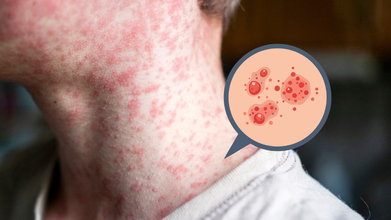
Credits: Canva/iStock
Measles reached two South Carolina colleges, Anderson University and Clemson University. On Monday, Anderson University confirmed that one of the studies was diagnosed with measles and may have exposed others with the same. The student is no longer on campus. Authorities have asked anyone who think are exposed to stay home and not show up in class, work, or in public areas. The students are also asked to call Thrive Wellness Center at 864-622-6978 before visiting in person to avoid spread as measles is highly contagious.
Clemson University whereas, over the weekend, announced the South Carolina Department of Public Health of the case. The person infected is in quarantine.
As per the data from the Student Health Services, nearly 98% of campus students have provided proof of immunity, said the university.
What Is Measles?
Measles, also known as rubeola, is a highly contagious viral illness that typically causes fever, cough, a runny nose, red and watery eyes, and a distinctive red, blotchy rash that usually begins on the face and spreads downward. The virus spreads through the air when an infected person coughs or sneezes and can lead to serious complications such as pneumonia or brain inflammation. Despite its severity, measles is preventable through a safe and effective vaccine, as per the Mayo Clinic.
Read: Kentucky Reports First Positive Measles Case of 2026: Confirmed Health Officials
How Contagious Is Measles?
Measles is among the most contagious diseases in the world. The virus spreads through airborne droplets that can linger in the air or on surfaces for hours. Up to 90% of unvaccinated people who are exposed to measles will become infected. A single infected person can pass the virus to an estimated 12 to 18 others through close contact or shared spaces. People can transmit the virus days before symptoms become obvious and continue spreading it after the rash appears, according to the World Health Organization.
How Long Is Someone Contagious With Measles?
Someone infected with measles can spread the virus from four days before the rash develops to four days after it appears. The virus spreads so efficiently that about 90% of people who are unvaccinated or have never had measles will become infected after being exposed.
In November, Canada lost its measles elimination status following a significant outbreak, according to the Pan American Health Organization, which works closely with the World Health Organization.
“It’s important to say that all the other 34 countries in the region, they keep their certification as measles-free,” said PAHO/WHO Director Dr. Jarbas Barbosa at the time, as per NPR News.
U.S. health officials have also warned that genetic links between outbreaks in different states suggest continued spread.
“The trajectory that we’re looking at now is that we do anticipate more cases well into January,” Bell said. “What that means for us nationally in terms of how they are defining our designation in this country as having eliminated measles is unclear.”
Also Read: Measles Symptoms Explained: Can The Infection Be Deadly?
Measles Symptoms Develop In Three Stages
According to the Mayo Clinic, measles symptoms usually appear in three distinct stages.
Stage 1: Incubation period (10 to 14 days)
During this phase, there are typically no noticeable or warning symptoms.
Stage 2: Early symptoms begin
Symptoms at this stage may include a dry cough, fever, red and inflamed eyes known as conjunctivitis, a runny nose, and a sore throat.
Stage 3: Acute illness and rash
“In the third stage, a rash begins to develop, usually starting on the face. Small white spots called Koplik spots may appear inside the mouth two to three days after symptoms first appear,” the Mayo Clinic explains. “The measles rash typically shows up three to five days after the initial symptoms.
“Over the following days, the rash spreads to the arms, torso, and legs. Alongside the rash, fever often rises rapidly and can exceed 105 degrees Fahrenheit,” the guidance continues. “Eventually, the fever subsides, and the rash fades from the body starting at the head and moving downward.”
Is Measles Deadly?
Yes, measles can be deadly and carries a significant risk of death, according to the Centers for Disease Control and Prevention.
“Measles can lead to serious health complications, including pneumonia, inflammation of the brain known as encephalitis, and death,” the CDC states. “Between one and three out of every 1,000 people infected with measles will die. Around one in five people with measles will require hospital care, and one in every 20 children with measles develops pneumonia, which is the leading cause of measles-related deaths in young children.
“One in every 1,000 people with measles will experience brain swelling, which can result in permanent brain damage.”
India Loses A Woman To Breast Cancer Every Eight Minutes: Novartis’ ‘Take Charge’ Campaign Aims To Change That

Credits: Canva
Breast cancer has quietly become one of India’s most pressing public health challenges. Today, it is the most commonly diagnosed cancer among Indian women and a leading cause of cancer-related deaths.
Data from the Global Cancer Observatory shows that nearly 1.9 lakh women are diagnosed with breast cancer in India each year. This works out to one new case every four minutes. The death toll is equally worrying. On average, a woman in India dies of breast cancer every eight minutes, highlighting how urgently the country needs stronger awareness, early diagnosis, and sustained care.
One factor that sets India apart is the age at which women are affected. Almost half of all breast cancer patients in the country are younger than 45. This is a much higher proportion than seen in many Western nations, where the disease is usually detected later in life.
Breast Cancer: A Rising Burden Across The Country
Cancer surveillance data from GLOBOCAN and Indian registries under the Indian Council of Medical Research point to a steady rise in breast cancer cases. Rapid urbanisation, changing lifestyles, delayed pregnancies, shorter periods of breastfeeding, rising obesity, and limited screening practices have all played a role.
Late diagnosis continues to be one of the biggest challenges. Many women seek medical help only when the disease has progressed to advanced stages, making treatment more difficult and outcomes less certain. Fear, social stigma, lack of awareness, and limited access to screening services, especially in rural and semi-urban areas, often contribute to these delays.
For some women, the risk of recurrence can be significant, depending on the type and stage of cancer. Living with this uncertainty takes a lasting toll on mental and emotional wellbeing.
Novartis 'Take Charge' Campaign Focuses On Life Beyond Diagnosis
To address these gaps, Novartis has launched the ‘Take Charge’ campaign in collaboration with Times Network. The initiative aims to move the conversation beyond diagnosis and medication, encouraging women and their families to play an active role in decisions about care, recovery, and quality of life.
Speaking at the Times Network India Health Summit and Awards 2025, Amitabh Dubey, Country President and Managing Director of Novartis India, underlined that effective cancer care goes far beyond medicines alone. He spoke about the need for personalised treatment, open conversations between doctors and patients, and long-term support throughout the cancer journey.
According to Amitabh Dubey, advances in medical science have changed the way many cancers are managed. In breast cancer, better imaging, improved diagnostics, genomics, and targeted therapies now allow doctors to tailor treatment to the biology of each patient rather than relying on a uniform approach.
'Take Charge' By Novartis Highlights Need For Early Awareness
Awareness remains a central pillar of the ‘Take Charge’ initiative. Many women hesitate to speak openly about breast health or postpone seeing a doctor even after noticing symptoms. Encouraging routine self-examinations, timely screenings, and honest conversations about warning signs is especially important for younger women, who may not believe they are at risk.
The campaign also places strong emphasis on caregivers and families. Emotional support, access to reliable information, and timely medical advice can make a meaningful difference to both treatment outcomes and recovery.
Breast Cancer Awareness: Closing Gaps In Access And Affordability
Although government schemes such as Ayushman Bharat and various state cancer programmes have improved access to care, health insurance coverage in India remains limited, reaching only about 38 percent of the population. As a result, newer and more advanced treatments are still beyond the reach of many patients.
Novartis has been working with government agencies and local health systems to improve referral pathways, strengthen early detection efforts, and train frontline health workers. Community-based initiatives involving ASHA workers, awareness drives, and structured referrals aim to ensure that women with early symptoms reach appropriate care without unnecessary delays.
Breast cancer does not have to signal the end of a woman’s life or identity. With early diagnosis, personalised treatment, and continued support, many women go on to live full and meaningful lives. Campaigns like Take Charge seek to reinforce this message and remind women that they can remain active decision-makers in their own health journeys.
As Amitabh Dubey noted at the launch, taking charge is not only about fighting disease. It is about having the knowledge, confidence, and support to ask the right questions, make informed choices, and live well beyond cancer.
Schizophrenia And Bipolar Disorder Have The Same Genetic Links, Study Finds

Credit: Canva
Schizophrenia (SCZ), bipolar disorder (BD) and major depressive disorder may share the same genetic roots, a Nature study shows.
While experts have long classified each of these mental disorders as individual illnesses with their own causes, researchers from across China have discovered that these three diseases share about 70 percent common genetic and environmental risk factors.
Schizophrenia is a severe, chronic brain disorder that can lead psychosis, hallucinations, delusions, disorganized thinking and reduced emotional expression. It can affect how a person's thinks, feels and behaves, making it hard to distinguish reality.
While bipolar disorder is a chronic mental illness which causes extreme mood swings, from emotional highs (mania/hypomania) to lows (depression), affecting the brain's energy, activity and focus levels.
On the other hand, major depressive disorder or clinical depression, is a serious mood disorder that causes persistent sadness and loss of interest in a person. It can affect feelings, thoughts and daily activities and can be identified by symptoms such as low energy, sleep/appetite changes, guilt, concentration issues and thoughts of death.
What Did The Study Find?
The Chinese researchers studied genetic data from more than one million people with mental health diagnoses and five million people without them.Using advanced techniques, they identified 238 genetic variants that raise risk across multiple disorders and showed that five major genetic patterns explain most of the differences between people with and without mental illness.
Read More: Study Shows Depression Can Accelerate The Onset Of Chronic Illnesses
Based on these genetic patterns, the disorders clustered into five broad groups: internalizing conditions such as depression, anxiety and post-traumatic stress disorder; neurodevelopmental conditions including autism and attention-deficit hyperactivity disorder; substance use disorders; compulsive conditions such as obsessive-compulsive disorder and anorexia and lastly, a fifth group that included bipolar disorder and schizophrenia.
The findings explain why many individuals are diagnosed with more than one mental health condition as many genes affect multiple brain pathways. This indicates that the same genetic changes can lead to different disorders depending on other biological and environmental factors.
Can The Same Treatment Plan Be Used For These Illnesses?
Even though medications such as antidepressants are useful in treating multiple mental illnesses including depression, anxiety and PTSD, the researchers concluded that more research is needed to understand the biology behind the genetic factors to understand the links between the disease.
One of the study’s authors compared the current system to diagnosing a patient with separate illnesses for a cough, sore throat and runny nose instead of recognizing a single underlying infection.
Nearly one in eight people globally, around 970 million individuals, were living with a mental disorder in 2021, with anxiety and depression being the most common globally.
- Follow Us :


© 2024 Bennett, Coleman & Company Limited