
- Health Conditions A-Z
- Health & Wellness
- Nutrition
- Fitness
- Health News
- Ayurveda
- Videos
- Medicine A-Z
- Parenting
Trump Administration Cancels 2 Billion Addiction And Mental Health Grants
Credit: Canva
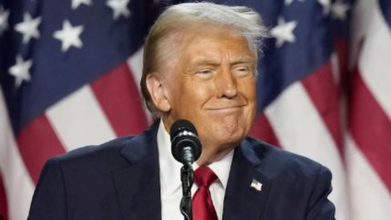
US Health and Human Services Secretary Robert F. Kennedy, Jr. has canceled nearly $2billion worth of funding for substance abuse and mental health programs across the country in a sweeping decision.
The MAHA leader dissolved 2,000 Substance Abuse and Mental Health Services Administration (SAMHSA) related-grants overnight, a move that many experts say will hamper frontline care for some of the most vulnerable people in the country.
These grants provide resources for overdose prevention, addiction recovery and mental health services to individuals, regardless of age and gender.
“Without that funding, people are going to lose access to lifesaving services,” Yngvild Olsen, former director of SAMHSA’s Center for Substance Abuse Treatment and a national adviser at Manatt Health, said.
According to letters sent to multiple non-profits associated with the SAMHSA, grants are terminated as of January 13 and "costs resulting from financial obligations incurred after termination are not allowable", NPR revealed.
This move comes on top of deep Medicaid cuts, passed last year by the Republican-dominated Congress, which has severely affected numerous mental health and addiction care providers.
Why Were The Grants Canceled?
Kennedy Jr. and US President Donald Trump are yet to make a comment on why the grants were canceled however, termination letters, signed by SAMHSA Principal Deputy Assistant Secretary Christopher Carroll, noted that the cancelation was done using a regulation that allows the agency to end any federal award that “no longer effectuates the program goals or agency priorities.”While officials say that the grants were reinstated the next morning, affected organizations claim to have received no such notice and have begun to make difficult decisions in response to the cuts, including laying off employees and canceling scheduled trainings, according to AP.
What Are Experts Saying?
Advocacy groups across the nation are now amplifying concerns over the abrupt cancellation of federal mental health and substance use grants. National Alliance on Mental Illness (NAMI) CEO Daniel H. Gillison Jr noted: "These cuts are disheartening and cruel, and they threaten the life-saving work of hundreds of organizations that provide critical mental health support across the United States.
"Addressing our mental health and substance use crises in this country has never been political, which is why it continues to have bipartisan support in Congress. These abrupt and unjustified cuts will immediately disrupt suicide prevention efforts, family and peer recovery support, overdose prevention and treatment and mental health awareness and education programming, along with so many more essential services, putting an unknown number of lives at stake.
"These aren't just numbers on paper. These are decisions that have real and harmful consequences for millions of people and communities around the country."
Robert Franks, CEO of the Boston-based mental health provider the Baker Center for Children and Families, added that loss of funding would force his organization to lay off staff and put care in jeopardy for some 600 families receiving it.
What Does Congress Say?
House Appropriations Committee Ranking Member Rep. Rosa DeLauro described Kennedy Jr.'s decision-making as dangerous and haphazard after grant recipients began laying off employees based on the original plans."These cuts will cost lives. Throughout his tenure, Secretary Kennedy has done nothing to make Americans safer, and everything to place us in more danger. Restricting vaccine access, calling into question proven treatments for diseases, and now stripping communities of the resources they need to prevent drug overdoses and treat addiction.
"These cuts by the Trump Administration are senseless and unconscionable. They will destroy families, ruin lives and cause preventable deaths. The Trump Administration must immediately reverse these cancellations of critical grants so that American families can continue to receive the services they depend on to survive."
Wegovy 7.2 mg: Higher-Dose Weight-Loss Jab Cleared For Launch In UK
Credits: AI Generated
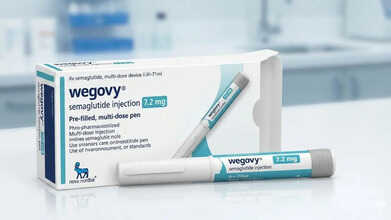
The UK’s drug regulator has cleared a higher-strength dose of the weight-loss injection Wegovy, as demand for the treatment is expected to rise sharply. The newly approved 7.2 mg dose is three times stronger than the current weekly dose of 2.4 mg. The Medicines and Healthcare products Regulatory Agency, or MHRA, said the stronger dose can lead to weight loss of more than 20 per cent. Trial data reviewed by the regulator showed that around one in three adults living with obesity who took the higher weekly dose lost more than 25 per cent of their body weight after 72 weeks.
Weight Loss Jab To Launch Stronger Dosage In UK
The MHRA’s latest approval for Wegovy is based on findings from a clinical study known as STEP UP, which looked at how patients responded to the treatment. Results showed that people taking the 7.2 mg dose lost an average of 20.7 per cent of their body weight, compared with a 2.4 per cent reduction among those given a placebo. The trial also noted side effects, with mild to moderate digestive problems reported most often.The approval comes alongside research from the University of Oxford suggesting that people using drugs such as semaglutide, sold as Wegovy, and tirzepatide, marketed as Mounjaro, tend to lose weight while on treatment but regain it within about 20 months after stopping the injections. According to The Independent, people who lose weight through diet and exercise tend to maintain the loss for longer, close to four years on average, although some regain still occurs over time.
Researchers cautioned that people using weight-loss injections need long-term support, as their analysis showed weight returns more quickly after stopping the drugs than it does for those following traditional diet plans. The study also found that improvements in blood sugar, cholesterol levels, and blood pressure fade once the medication is discontinued, leaving many patients back where they started. The Oxford-led research, published in the British Medical Journal, reviewed 37 studies involving more than 9,000 participants.
What Is Wegovy?
Wegovy is a widely used weight-loss injection containing the active ingredient semaglutide. Studies show that people on the standard maintenance dose of 2.4 mg lose an average of 17 per cent of their body weight over 68 weeks. A higher 7.2 mg dose has now been approved for use in the UK, with clinical trials indicating it can deliver weight loss of up to 21 per cent.
What is Wegovy 7.2mg?
Wegovy 7.2 mg is a new maintenance dose of the semaglutide-based weight-loss injection. Until now, the highest approved weekly dose was 2.4 mg. The stronger 7.2 mg option is being introduced by the drug’s manufacturer, Novo Nordisk, following its submission to regulators for approval.
This new dose uses the same active ingredient, semaglutide, and works in the same way by helping overweight or obese adults lose weight. It does this by copying the action of the hormone glucagon-like peptide-1, or GLP-1, which helps regulate appetite and food intake.
Further studies examining the safety and effectiveness of the higher dose are already in progress. The latest findings from the STEP UP phase 3b trial were published in November 2025.
How Effective Is The Wegovy 7.2 Dose?
The STEP UP phase 3b trial assessed how safe and effective the 7.2 mg dose of Wegovy is. The study included 1,407 participants who were randomly assigned to receive either 7.2 mg or 2.4 mg of Wegovy, or a placebo, over an 11-month period.
The average weight loss recorded was:
- 20.7 per cent in the 7.2 mg group
- 17.5 per cent in the 2.4 mg group
- 2.4 per cent among those given a placebo
The approval follows recent findings showing that about 1.6 million people used Wegovy or Mounjaro last year. Another 3.3 million people said they would consider using weight-loss medications in the coming year.
According to The Independent, research by University College London based on a survey of 5,260 people found that 2.9 per cent of respondents were using GLP-1 drugs for weight loss. Of those, 15 per cent were taking medication that is not licensed for that purpose. Researchers warned that using drugs off label, meaning for conditions they are not approved to treat, such as using diabetes drugs for weight loss, can carry safety risks if taken without proper medical supervision.
Measles Spreads Rapidly In South Carolina, More Than 400 Cases Confirmed
Credits: Canva
The Upstate South Carolina measles outbreak grew to 434 confirmed cases by Tuesday, officials reported. Health authorities said the outbreak has expanded quickly, with 124 new cases recorded in just a few days between January 9 and January 13, 2026.
According to the South Carolina Department of Public Health, around 409 people were placed under quarantine and 17 were kept in isolation as of Tuesday. Officials also confirmed that one individual, unaware they were contagious at the time, visited the South Carolina State Museum in Columbia on January 2 between 1 pm and 5 pm. Anyone who was at the museum during that window may have been exposed and has been advised to watch closely for symptoms.
What Is Measles?
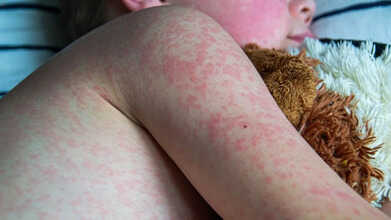
Measles, also known as rubeola, is a highly contagious viral illness that typically causes fever, cough, runny nose, red eyes, and a widespread red rash. It spreads through airborne droplets released when an infected person coughs or sneezes. The virus is extremely infectious and can remain in the air or on surfaces for up to two hours.
While some cases are mild, measles can lead to serious complications such as pneumonia, swelling of the brain, and even death, especially in young children. A safe and effective vaccine has prevented millions of deaths worldwide, but outbreaks continue to occur in areas with low vaccination coverage, according to the Mayo Clinic.
Measles Cases Spreading In The US
South Carolina health officials said yesterday that the state’s measles count has reached 434 after confirming 124 new cases. At present, 409 residents are in quarantine and 17 are in isolation, with some quarantine periods expected to last until February 6.
Mobile vaccination units are operating this week, and officials are strongly encouraging residents to get vaccinated. “Getting vaccinated now can help people avoid long periods of quarantine at home after exposure to the measles virus. Vaccination within 72 hours of exposure can prevent measles infection,” the state’s department of public health said in its latest update.
Measles Symptoms
Measles can result in hospitalization and, in severe cases, death. Common symptoms include:
- High fever, which can rise above 104 degrees
- Cough
- Runny nose
- Red, watery eyes
- Tiny white spots inside the cheeks, gums, and on the roof of the mouth known as Koplik spots, appearing two to three days after symptoms begin
- A red, raised, blotchy rash that usually starts on the face and spreads to the trunk, arms, and legs within three to five days after symptoms start
Measles Vaccine Prevention
According to the US Centers for Disease Control and Prevention, the measles, mumps, and rubella or MMR vaccine is 97 percent effective against measles and 86 percent effective against mumps when both recommended doses are received.
The MMR vaccine is part of the routine childhood immunization schedule. The first dose is typically given between 12 and 15 months of age, followed by a second dose between ages 4 and 6. Children who are traveling internationally may receive the vaccine earlier.
As reported by CIDRAP, South Carolina allows religious exemptions from vaccination through a notarized form, without requiring a doctor’s approval. One of the schools linked to the early phase of the outbreak, Global Academy of South Carolina, reported a vaccination rate of just 17 percent during the 2024 to 25 school year.
Of the 434 measles cases tracked over the past six months, 378 patients were unvaccinated and 47 had an unknown vaccination status. Only six people were fully vaccinated, while three had received partial vaccination. About two thirds of all measles cases in South Carolina involve children and teens aged 5 to 17, accounting for 287 cases.
Oprah Winfrey Reveals What Happened When She Stopped Taking Weight Loss Injections

Credit: Instagram/Oprah Winfrey
American host Oprah Winfrey, who told her fans she was taking GLP-1 weight loss medication in 2023, has revealed that she stopped taking injections for a short period of time last year and ended up gaining significant weight.
During an episode of the TODAY show with Jenna & Sheinelle, Winfrey, 71, said: "I was off the (weight loss medications) all last year and I gained 20lbs because I wanted to test it.
"Because everyone was saying 'you're going to gain the weight' (and) I'm going to show them that I'm not going to gain the weight. I'm going to hike."
However, the media mogul ended up gaining most of her weight back, citing that once she was off the medications, she would stand in front of the refrigerator thinking "what can I eat".
Is This Scientifically True?
Yes. A new BMJ study has found that people who stop using weight-loss medications can regain weight and return their original size within two years.Researchers have found that those who lose weight using blockbuster GLP-1 drugs such as Ozempic could regain about 0.4kg every month after quitting these treatments. In contrast, those who lost weight through exercise, diet and other factors only gained 0.1kg.
Ozempic (semaglutide) is a prescription injectable GLP-1 medication primarily approved for adults with Type 2 diabetes to manage blood sugar levels. However, the drug has gained immense popularity among those trying to lose weight as it can reduce hunger and help people feel full for longer, which forces the body to burn fat deposits to stay functional.
In clinical trials, people with obesity using semaglutide have shown to lose an average of about 15% of their body weight over 68 weeks. Most people begin to see noticeable results within 8 to 12 weeks of taking the drug.
The official price in India for a once-weekly Ozempic injection pen ranges from approximately ₹8,800 for the 0.25 mg dose to around ₹11,175 for the 1 mg dose per month. Insurance coverage is generally inconsistent for weight loss indications.
Have Weight Loss Impacted Winfrey's Diet?
In an exclusive interview with PEOPLE, the OWN founder noted that in the last two years, her relationship with food and exercise has changed drastically, in addition to erasing her taste for alcohol.
'The fact that I no longer even have a desire for it is pretty amazing,' Winfrey said.
The talk show legend once admitted she was able to :outdrink everyone at the table" and "was a big fan of tequila". "I literally had 17 shots one night," she said, "I haven't had a drink in years. The fact that I no longer even have a desire for it is pretty amazing."
Additionally, Winfrey said she no longer obsesses over food and has embraced exercise for the first time in her life. However, once she understood that she began to gain weight when she stopped taking injections, Winfrey realized that the medication will likely be "a lifetime thing".
"It's going to be a lifetime thing. I'm on high blood pressure medication, and if I go off the high blood pressure medication, my blood pressure is going to go up. The same thing is true now, I realize, with these medications. I’ve proven to myself I need it," she told the publication.
Winfrey now typically takes the shots weekly, but sometimes stretches them to 10 or 12 days. "You need to start slow and gradual,' she advised. 'If you start by taking too much at one time, you have more of a chance of messing yourself up
Apart form this, the media star also now works out for about two hours a day, six days a week, hiking, doing cardio or strength training.
- Follow Us :


© 2024 Bennett, Coleman & Company Limited