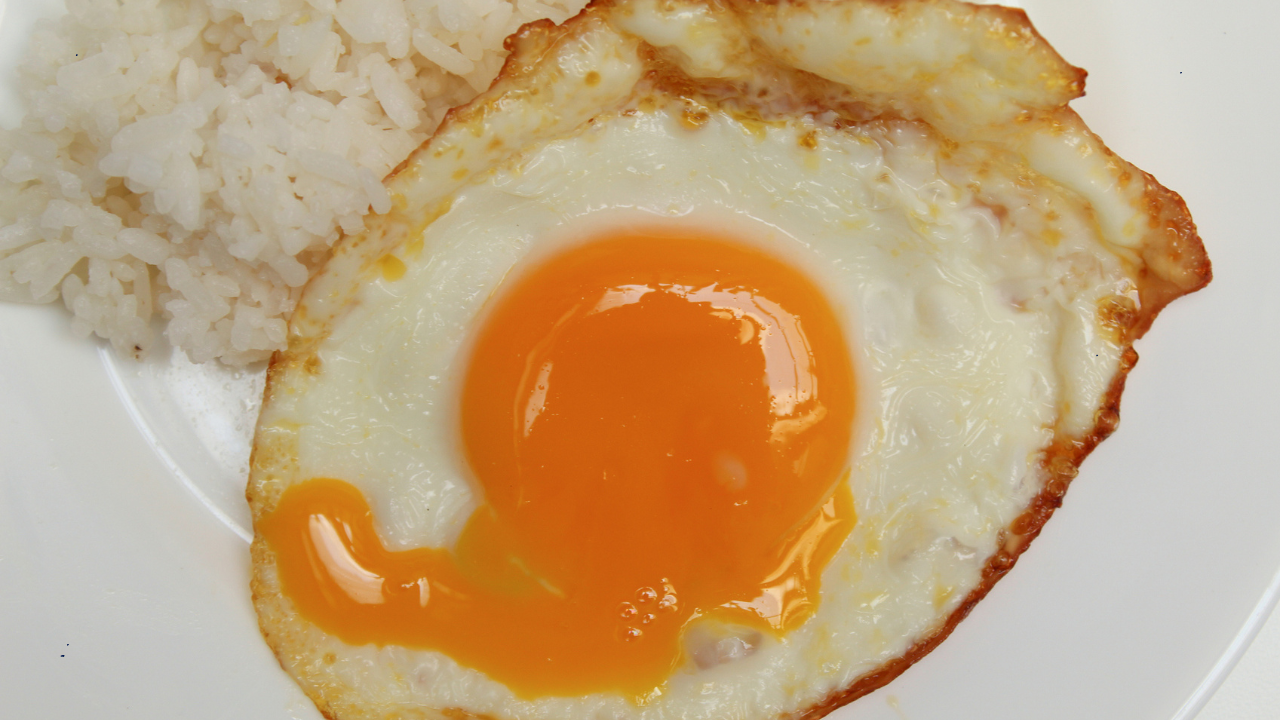
Amid an ongoing Salmonella outbreak that has infected hundreds of people, vulnerable groups in the UK are being advised to avoid undercooked or runny eggs.The Food Standards Agency (FSA) issued the precautionary advice after the UK Health Security Agency (UKHSA) declared a national outbreak. The outbreak has infected 207 people across the UK, with one death and 34 hospitalisations.Officials suspect imported eggs or food products containing imported eggs may be behind the outbreak.However, the FSA said well-cooked eggs served in restaurants, cafes and takeaways are safe to eat.Who Is at Risk?The FSA advised vulnerable groups, including:Children under fiveAdults over 65Pregnant womenPeople with certain health conditions or weakened immune systemsIan Young, chief scientific adviser at the FSA, said vulnerable people eating out should ensure that eggs and egg products are thoroughly cooked.Which Foods Should Be Avoided?The FSA advised vulnerable people to avoid runny eggs and freshly made foods that may contain uncooked eggs, including:MayonnaiseSoufflésHollandaise sauceAre Supermarket Eggs Safe?Young reiterated that people can continue to buy British eggs from supermarkets. Chickens bred in the UK are vaccinated against common strains of Salmonella.“There is no link to those eggs to this current outbreak,” he said.He described the outbreak as “unusually large and rapidly increasing” and urged people to take precautions.The UKHSA has launched an investigation to identify the source of the outbreak. Initial findings suggest it may be linked to eggs imported from outside the UK, although the source has not yet been definitively established.Dr Kathleen O'Reilly, associate professor at the London School of Hygiene & Tropical Medicine, said the investigation involves identifying additional cases and examining possible common sources of infection.Where Have Cases Been Reported?Cases have been reported across the UK:England: 199 casesScotland: 6 casesWales: 1 caseNorthern Ireland: 1 caseIn England, London has reported the highest number of cases, with 47, followed by Yorkshire and the Humber with 38.What Is Salmonella?Salmonella is a bacterial infection that commonly causes diarrhoea and gastrointestinal illness.Common symptoms include:DiarrhoeaStomach crampsVomitingFeverHow Does Salmonella Spread?The UKHSA stated that Salmonella Enteritidis is the most common Salmonella serovar in England and a leading cause of salmonellosis.Like other non-typhoidal Salmonella infections, it can spread through contaminated food, including:EggsPoultryMeatUnpasteurised dairy productsFresh produceThe bacteria can also spread through contact with contaminated environments or from person to person.How to Reduce the Risk of SalmonellaDr O'Reilly advised people to fully cook eggs before eating them and maintain good food hygiene.Key precautions include:Cook eggs thoroughly, including omelettes, rather than leaving them runny.Wash your hands with soap after handling food and during food preparation.Clean chopping boards and utensils after preparing food.Check food hygiene ratings when choosing catering outlets.People who develop diarrhoea or stomach cramps should rest and drink plenty of fluids. Young children, older adults and other vulnerable people who become ill should seek medical advice.