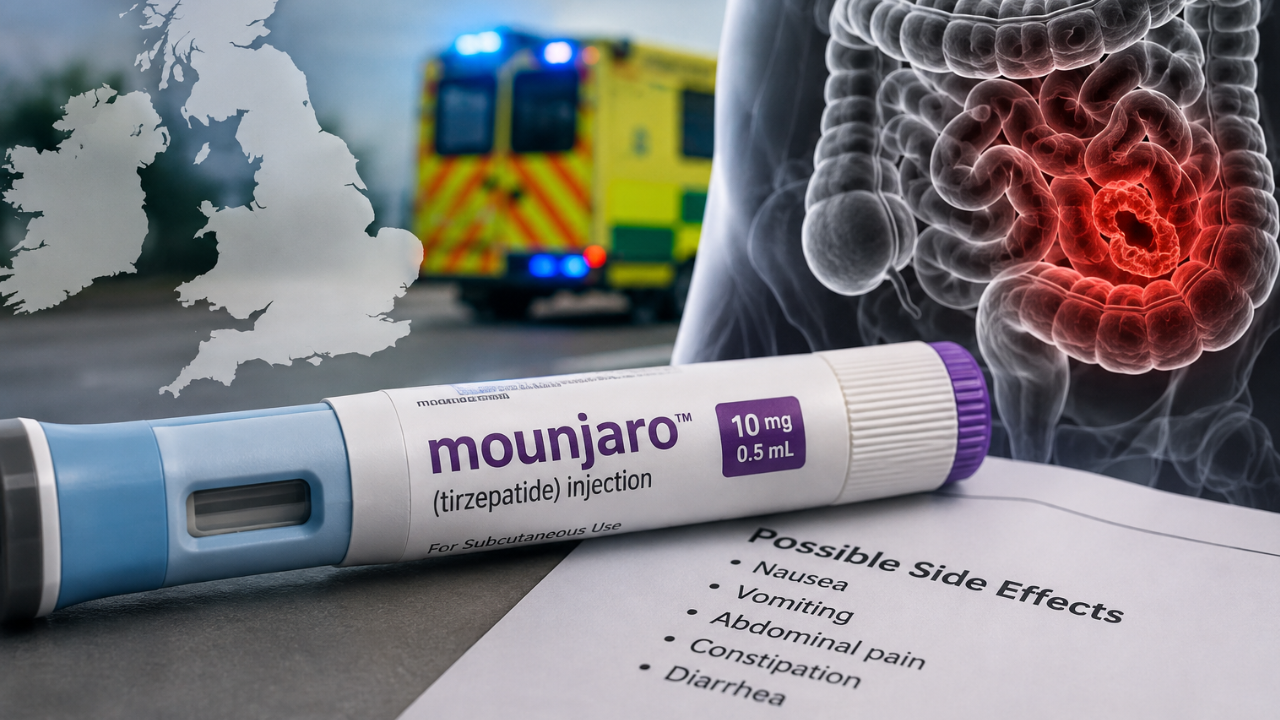
A UK coroner's court is currently examining whether a popular weight loss medication is linked to the death of a 73-year-old woman. She developed severe abdominal pain shortly after increasing her dose of Mounjaro (tirzepatide). The incident has highlighted the importance of recognizing warning signs that go beyond the drug's common side effects and seeking immediate medical help. What Happened? Caroline Savage, a resident of Wortwell in Norfolk, had been using Mounjaro through a private prescription for around four months to manage obesity. According to evidence presented during the inquest, she had recently been advised to increase her dose from 7.5 mg to 10 mg after losing about 14 kg. On October 18, 2024, Savage developed sudden, severe abdominal pain and was taken to Norfolk and Norwich University Hospital. Doctors evaluated her for pancreatitis, a known but uncommon complication of GLP-1 weight loss medications, and ruled out an abdominal aortic aneurysm before discharging her with pain relief. Hours later, she collapsed at home and died despite emergency efforts. A post-mortem found the cause of death to be faecal peritonitis, a life-threatening infection caused by a perforation in the intestine.Also read: After ‘Ozempic Face’, Experts Warn of ‘Ozempic Hair’; Why Are GLP-1 Users Facing Hair Loss?No Proof Of Direct Cause Medical experts told the inquest that there is currently no established evidence linking Mounjaro directly to faecal peritonitis. However, they discussed the possibility that in people with an underlying bowel condition, like diverticular disease, the medication's gastrointestinal effects could theoretically increase pressure within the intestine and contribute to a perforation. Savage, although, had not been diagnosed with diverticular disease. The coroner has not reached a final conclusion, and the inquest has been adjourned pending a narrative verdict later this month.Also read: Using Compounded GLP-1 Drugs? Here's What Doctors Want You to KnowFamily's Concerns Over Hospital Assessment Representing the family, barrister Jasmine Leng argued that Savage's symptoms may have been attributed to expected side effects of Mounjaro rather than prompting further investigations. She also questioned whether repeated pain assessments conducted after morphine administration may have underestimated the severity of her condition. Lawyers representing the NHS trust acknowledged that documentation "wasn't as good as it could have been" but maintained that clinicians followed appropriate assessment methods and denied medical negligence.Also read: Novo Nordisk Sues Eli Lilly Over Weight-Loss Drug Ads: Should GLP-1 Users Be Concerned?Mounjaro Side Effects Mounjaro belongs to the GLP-1 receptor agonist class of medicines, which slows stomach emptying and helps reduce appetite. As a result, nausea, vomiting, constipation, diarrhoea and abdominal discomfort are among some of its most common side effects. However, experts say persistent, severe or worsening abdominal pain, especially when accompanied with vomiting, fever, bloating or an inability to pass stools, should never be dismissed as common side effects. Such symptoms can indicate serious complications, including pancreatitis, bowel obstruction or, in rare cases, intestinal perforation, all of which require urgent medical attention. The case comes after another UK death drew focus on the safety of GLP-1 weight loss drugs. In 2024, Scottish nurse Susan McGowan's death certificate showed prescribed tirzepatide as a contributing factor alongside pancreatitis, septic shock and multiple organ failure. Regulators have maintained that the overall benefits of these medicines outweigh their risks when used as prescribed.