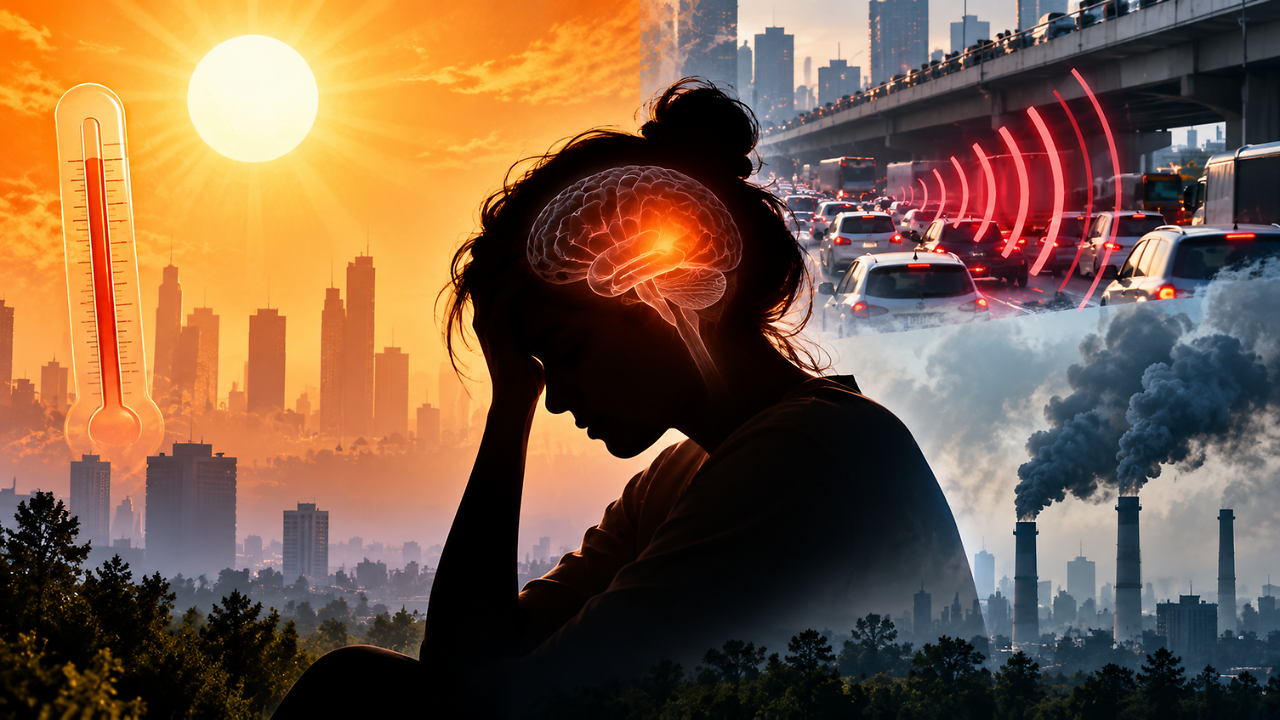
The effects of heatwaves, air pollution, noise and overall climate change may extend beyond physical health. According to a new report by the Earth–Brain–Health Commission published in Nature Mental Health recently, they can have a significant impact on mood, cognitive function and overall psychological wellbeing. The commission warns that environmental changes are altering the conditions in which people live. It also talks about consequences for brain health and mental wellbeing. It also calls for mental health to become a consideration in climate policy, urban planning and environmental decision making, rather than being treated only after symptoms develop.The findings are relevant to low and middle-income countries, where exposure to environmental hazards can overlap with greater socioeconomic problems like poverty and limited access to healthcare.“Heat and heatwaves, air and noise pollution, extreme weather and compound events, urbanization, and the loss of green and blue spaces are associated with depression, anxiety, cognitive decline, and impaired emotional and behavioral functioning,” the commission states. Effects Of Environmental Conditions On Brain Also read: Lancet Study Finds Air Pollution & Chemical Exposures Could Add To South Asia's Diabetes & Heart Disease BurdenFrom biological changes like neuroinflammation, disruption of hormones and the body's internal clock to psychological stress and due to isolation and displacement, the commission identifies several ways through which environmental conditions may impact mental health. Heat exposure is one of the gravest concerns in current times. Heatwaves can disrupt sleep and contribute to physiological stress, while air pollution can lead to cognitive decline. Noise pollution and stressful urban environments may fuel anxiety and depression.These exposures are compounded by people’s standard of living. A person living in poorly ventilated housing, for example, may face heat, air pollution, financial hardship and limited access to healthcare at the same time. These combined problems can be difficult to measure by studying each exposure separately.Who Is At Risk?Also read: Rising AQI In Delhi-NCR: Doctors Warn Of Lung And Heart Risks As Pollution BuildsChildren, older adults, people with disabilities and marginalised communities may face greater exposure to environmental hazards while having fewer resources and help to cope with them.The commission also highlights low and middle-income countries and small island developing states. These populations may face significant environmental risks but remain underrepresented in research on climate change and mental health.Dr Vivek Benegal, senior professor of psychiatry and former head of department at the National Institute of Mental Health and Neuro Sciences (NIMHANS), Bengaluru, is among the commission's members. He said NIMHANS has been examining how climate change affects the human brain.Benegal also pointed to a 2023 study conducted by researchers from NIMHANS and King's College London. The study found that even low levels of arsenic exposure, below World Health Organization thresholds, were associated with changes in brain structure and impaired cognitive abilities among children, adolescents and young adults. Commission's RecommendationsThe report recommends that governments should incorporate brain and mental health measures into environmental policies. Its recommendations include monitoring environmental exposures, identifying risks early in life, and designing healthier urban environments. “The principal obstacles to action are organisational and financial rather than evidential,” the commission observes, noting that research cohorts, Earth-observation systems and environmental governance tools already exist but are often maintained separately.