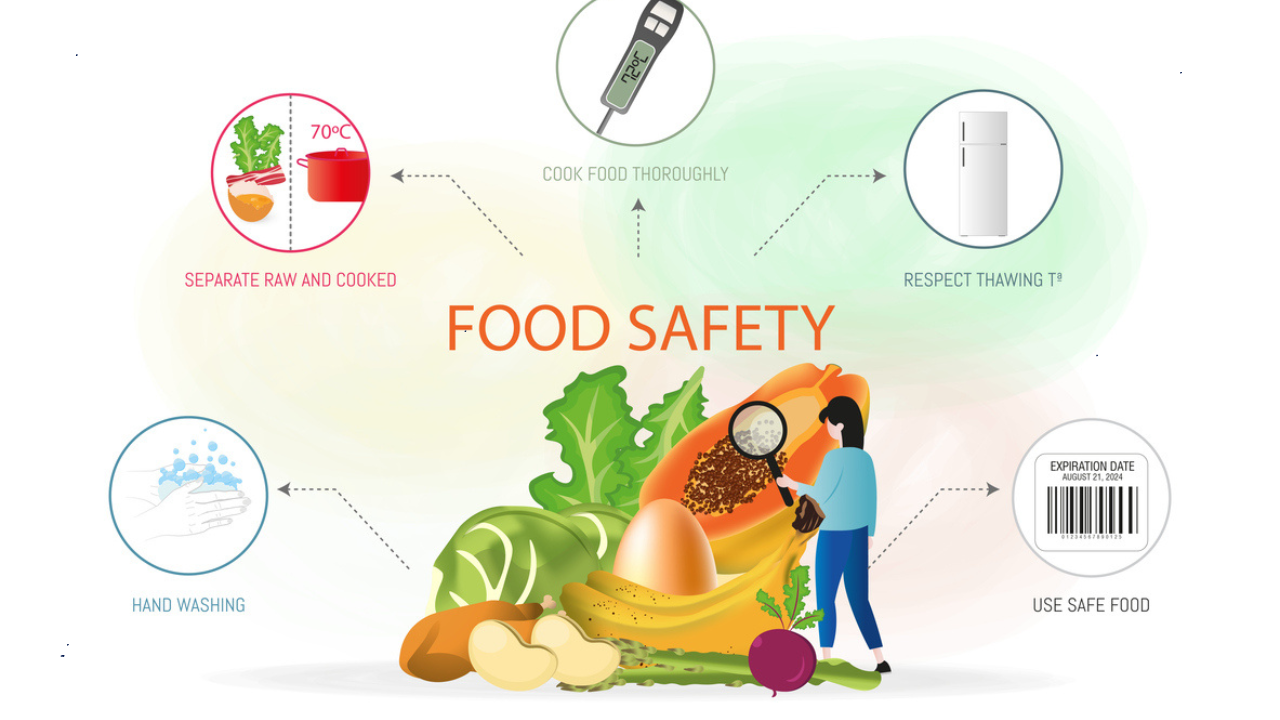
Unsafe food causes around 866 million illnesses and 1.5 million deaths annually, according to new estimates released by the World Health Organization (WHO) ahead of World Food Safety Day 2026.The analysis warned that children aged less than five years face almost three times the risk of illness from unsafe food than older children and adults.Children under 5 years of age experience 29 per cent of the health burden due to unsafe food, with 143,000 deaths in 2021, said the WHO. The global health body added that exposure to chemical hazards such as methylmercury and lead in food can harm the developing brain and cause lifelong neurological and developmental problems in children.Foodborne diseases in children, particularly diarrhoeal diseases, can be deadly for this vulnerable age group.“Food safety is not an abstract issue – it touches every meal, every family, every day. Unsafe food has always been a major public health concern, but until now we lacked the bigger picture of its staggering human and economic toll. These new estimates change that,” said WHO Director-General Dr Tedros Adhanom Ghebreyesus.“For the first time, countries have their own data to see where the burden is highest. With that knowledge, governments can prioritize the actions needed to protect people’s health,” he added.Food Safety: What Are the Risk Factors?Also read: FSSAI Introduces Stricter Quality Checks For Besan, Seafood, And Edible Oils: What You Should KnowThe WHO noted that exposure to biological hazards, including foodborne bacteria, viruses and parasitic infections, caused the majority of foodborne illnesses (approximately 860 million in 2021), while chemical exposures accounted for 73 per cent of deaths.The new analysis significantly expands the evidence base by assessing 42 major foodborne hazards, including bacteria, viruses, parasites and chemicals, across 194 countries from 2000 to 2021.The estimates now include new hazards such as metals, rotavirus and Trypanosoma cruzi, the parasite that causes Chagas disease.Food can also be contaminated with chemicals such as inorganic arsenic, lead and methylmercury from natural sources and human activities.The estimates revealed for the first time that dietary exposure to metals is increasing the burden of:Cardiovascular diseases CancersIntellectual disabilityInorganic arsenic and lead are linked to more than 1 million deaths in one year, while methylmercury can harm the developing brain and cause lifelong neurological and developmental problems in children.Other risk factors include:Evolving dietsEnvironmental pressuresGlobalization and inequalities in food systems.The African and South-East Asian regions together account for nearly three-quarters of all foodborne illnesses and 60 per cent of global deaths.Read More: Worried About Weight Gain After Wegovy, Mounjaro? This US FDA-Approved Daily Pill May HelpYuki Minato, WHO technical officer for food safety and senior author of The Lancet Global Health paper, noted that the analysis shows foodborne diseases are “being made worse by climate change, which increases contamination risks, and by antimicrobial resistance, which makes infections harder to treat”.Yuki called for “a One Health approach – integrating human, animal, plant and environmental health” to save lives. How To Prevent Foodborne DiseasesThe WHO estimates that many food-related illnesses and deaths are preventable through measures including:Improved water qualityBetter sanitation and hygieneFood safety practices such as pasteurizationAccess to healthcare for vulnerable populationsKeep cleanSeparate raw and cooked foodCook thoroughlyKeep food at safe temperaturesUse safe water and raw materials. The WHO also called on governments to prevent contamination at the source through better agricultural practices, stricter industrial controls and stronger environmental regulations.