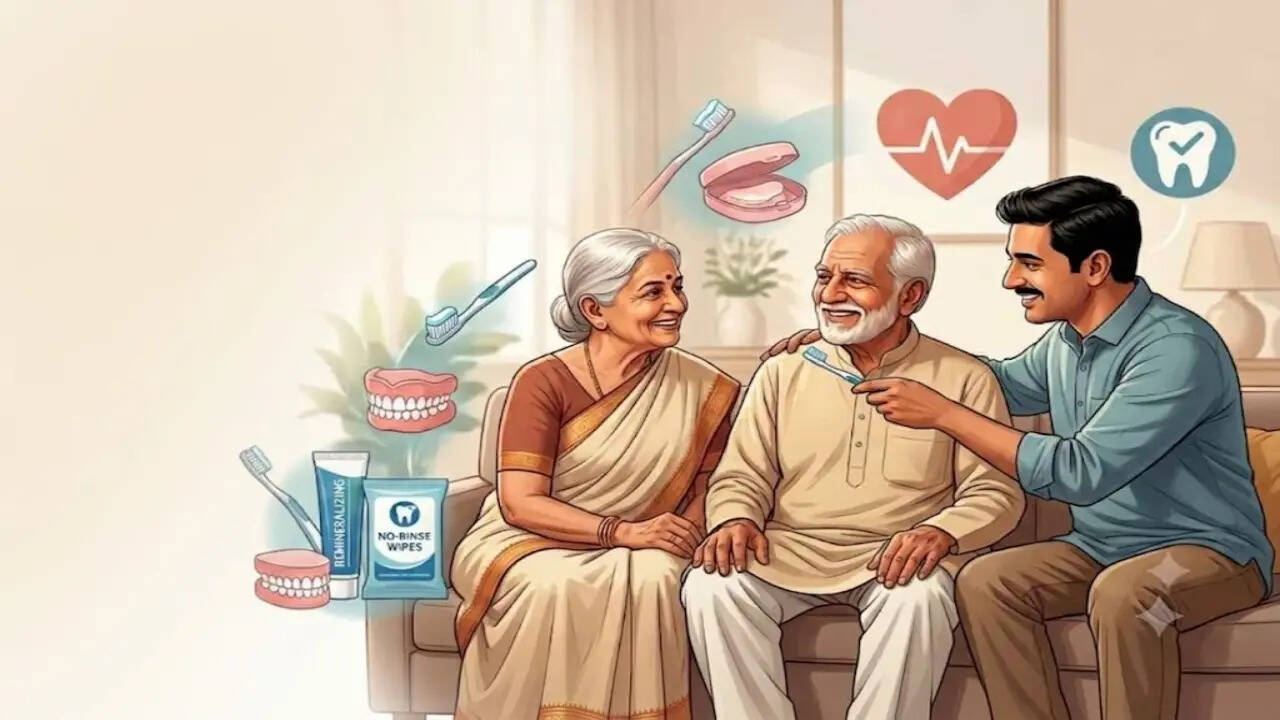
Parents are the root of every family and the silent pillars who spend their lives nurturing, protecting, and supporting their children through every stage of life. But as they age, the roles slowly begin to reverse. Ageing often brings with it a range of physical, emotional, and cognitive challenges, including reduced mobility, memory decline, weakened immunity, chronic illnesses, dependency, and loneliness. In many ways, growing older mirrors the vulnerability of infancy, where simple daily activities such as eating, walking, speaking, or maintaining personal hygiene may require support and patience from others in the family. At this stage of life, caregivers step into the role of protectors, offering the same compassion, reassurance, and care that parents once gave selflessly to their children. It is equally important to acknowledge the unwavering efforts of caregivers who devote themselves to ensuring their ageing parents live with comfort, dignity, and love despite the emotional, physical, and financial challenges.In an interview with Health and Me, Dr Eliza Pereira, Founder—Florina's Angels (a senior citizen daycare and dementia care centre), Bangalore, explained the consequences of overlooking oral health in the elderly.India’s Growing Elderly Population and the Overlooked Oral Health CrisisIndia has a massive elderly population, making elder care an important healthcare priority. According to population estimates, the senior citizen population in India is witnessing significant growth. As per Census 2011, the population of senior citizens (people aged 60 years and above) in the country stood at 10.38 crore, while projections estimate this number will rise to 17.32 crore by 2026. These figures highlight the increasing need for accessible and inclusive elder healthcare services. While conversations around ageing often focus on mobility, cardiovascular health problems, or mental wellbeing, oral healthcare remains one of the most overlooked aspects of elderly care.Age-related conditions such as diabetes, arthritis, dementia, Parkinson’s disease, osteoporosis, and weakened immunity can significantly affect oral health. Many seniors struggle with tooth loss, gum disease, dry mouth caused by medications, difficulty chewing, oral infections, bad breath, and poor-fitting dentures. Reduced dexterity due to arthritis or neurological disorders can make routine brushing and flossing difficult, increasing their dependency on caregivers for basic oral hygiene maintenance. Poor oral health can also impact nutrition, speech, confidence, and overall quality of life, making timely oral care support even more critical for ageing individuals.Supporting Caregivers Through Better Oral Care PracticesAddressing oral care accessibility for ageing parents requires a collective and compassionate approach. Caregivers can play a crucial role by encouraging timely dental check-ups, creating simple oral hygiene routines, ensuring dentures are cleaned properly, monitoring medication-related oral side effects, and helping seniors maintain hydration and a nutritious diet. Using age-friendly and specialised oral care solutions such as swallow-safe and non-foaming toothpastes, fluoride-free and remineralising formulations, therapeutic mouthwashes, and no-rinse oral care wipes for dependent or bedbound individuals can help make daily oral hygiene routines easier, safer, and more comfortable for senior citizens. Additionally, products designed with easy-open caps and clear, user-friendly packaging can further improve accessibility and encourage independent oral care among elderly individuals facing mobility, dexterity, or age-related vision challenges.At the same time, caregivers themselves need emotional support, awareness, and access to the right healthcare guidance to manage caregiving responsibilities effectively. Families and healthcare systems must work together to create sustainable ecosystems where the entire cycle of caregiving and those being cared for feels supported beyond medical attention.