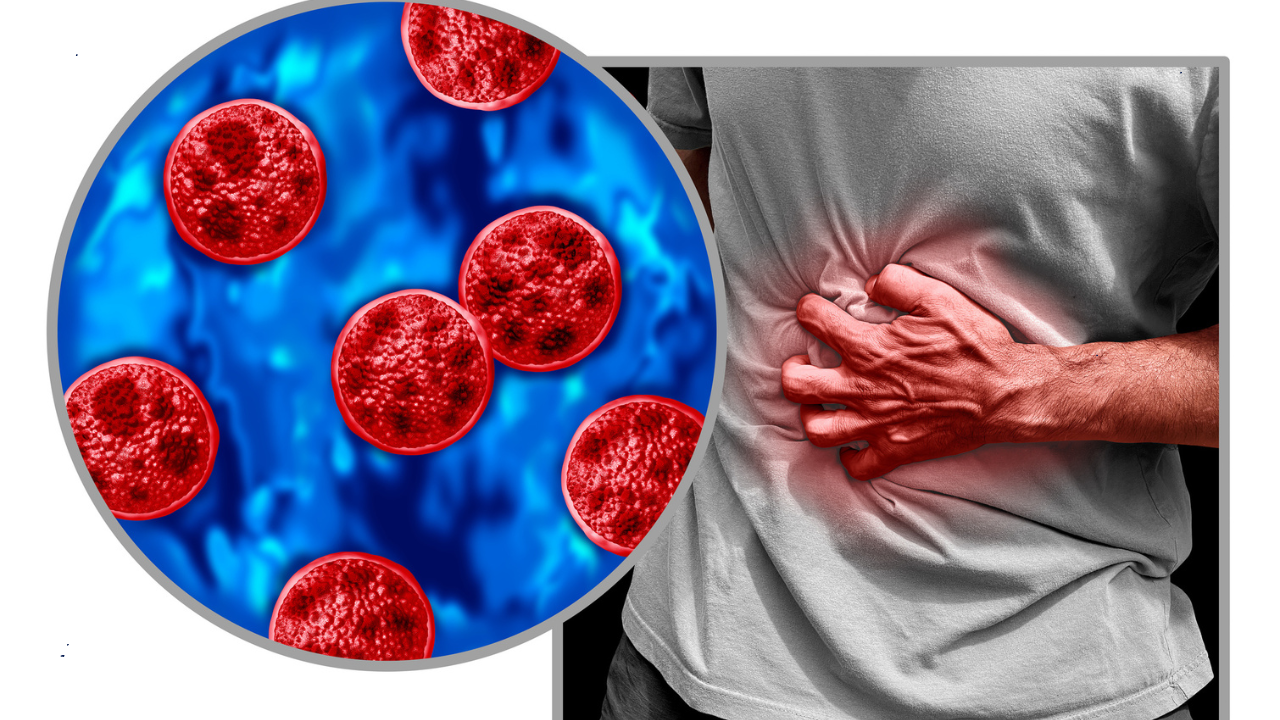
The US Food and Drug Administration (FDA) has identified a new Cyclospora outbreak, which is not related to ongoing outbreaks in the country causing watery diarrhea and hospitalizations among thousands.The agency said the outbreak has sickened 72 people and is linked to an unspecified product. The FDA said the source has "not yet been identified."The announcement comes as the US continues to report one of its largest cyclospora outbreaks. According to the US Centers for Disease Control and Prevention (CDC), there have been 4,173 laboratory-confirmed and domestically acquired cases of cyclosporiasis across 41 states since May 1. A total of 308 people with confirmed infections have been hospitalized, but no deaths have been reported.The CDC also reported 767 travel-associated cases during the same period, resulting in 33 hospitalizations and no deaths. These cases were linked to contaminated food or water consumed outside the US.Lettuce-Linked Outbreak In 5 statesAccording to the Michigan Department of Health and Human Services, a Cyclospora outbreak linked to iceberg lettuce distributed by Taylor Farms has sickened 7,664 people across Indiana, Kentucky, Michigan, Ohio and West Virginia, with 160 hospitalizations.Michigan has reported about 7,000 cases, while Ohio has recorded nearly 3,500 cases, according to the Toledo-Lucas County Health Department.“I want to stress that our investigation continues, including into other potential sources and commodities for other clusters of illness,” said Kyle Diamantas, acting FDA commissioner. Meanwhile, Health and Human Services Secretary Robert F. Kennedy Jr. this week said the outbreak is “under control.” Why Is It So Difficult To Find the Source?Also read: Cyclospora Parasite Outbreak: Why You Should Avoid Packaged Salads and Go For Loose GreensAccording to experts, Cyclospora infection caused by the parasite Cyclospora cayetanensis is much harder to trace than common foodborne bacteria such as E. coli and Salmonella.Investigators typically use DNA fingerprinting to connect bacterial infections to contaminated food through laboratory networks such as PulseNet. However, this method is much less effective for Cyclospora because the parasite has a more complex genetic makeup, making it difficult to link infections to a single food item or supplier.Dr. Max Teplitski, former head of the Division of Food Safety at the US Department of Agriculture and now chief science officer at the International Fresh Produce Association, said the parasite remains one of the most difficult foodborne pathogens to investigate, contributing to delays in identifying the outbreak source, CNN reported.How To Prevent Cyclospora InfectionRead More: Cyclospora Parasite Spreads to More US States: Foods to Avoid Right NowThe CDC recommends the following steps to reduce the risk of infection:Wash your hands thoroughly with soap and water before and after handling fresh produce.Rinse fruits and vegetables under running water before eating, cutting or cooking them.Do not rewash produce labeled "prewashed."Scrub firm produce, such as melons and cucumbers, with a clean produce brush.Cut away bruised or damaged portions before eating.Refrigerate cut, peeled or cooked fruits and vegetables within two hours.Cyclospora spreads through food or water contaminated with human feces and is not transmitted directly from person to person.Dr. Darien Sutton, an emergency medicine physician and ABC News medical correspondent, emphasized that alcohol-based hand sanitizers are ineffective against the parasite. "This type of parasite doesn't easily go away with alcohol-based hand sanitizer. So, good old handwashing is really key here," Sutton said.