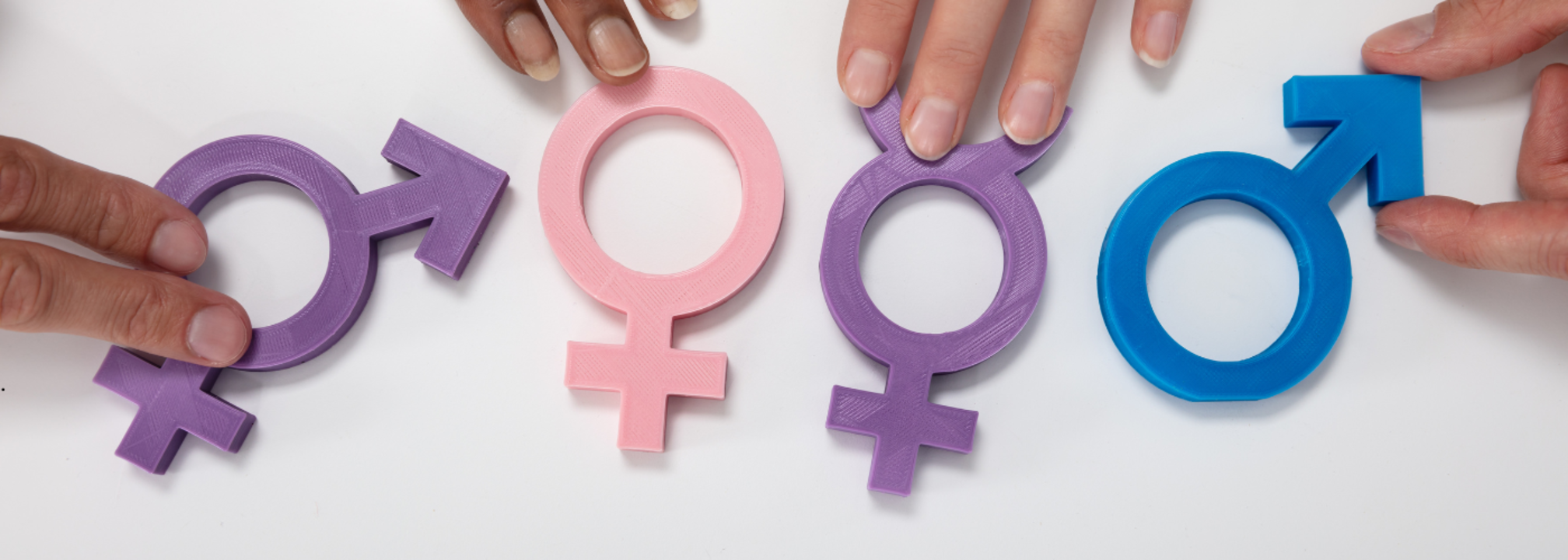
Two California researchers have alleged that the US Government health journal instructed them to remove references to gender and sexual orientation from a scientific manuscript that had already been accepted for publication. Their paper examine smoking habits among the youth in the rural areas and was set to be published in Public Health Reports, the official journal of the US Surgeon General and the US Public Health Service. However, in the blog post, the two researchers Tamar Antin and Rachelle Annechino, revealed that they were asked to delete terms such as "gender", "cisgender" and "equitable" to comply with an executive order signed by President Donald Trump on his first day back in office. The order directs government agencies to eliminate what it calls "gender ideology" from all official publications. The blog post also included screenshots that suggested deletion of demographic data on sexual orientation. It also included categories like "straight or heterosexual", "gay and lesbian", "bisexual" and "unknown". A note accompanying the deletions stated: “Per the Executive Order, we cannot include language surrounding gender.”Rather than complying with the order, the researchers decided to withdraw their paper entirely.“In normal times, this would never happen,” said Antin, who serves as the director of the Center for Critical Public Health, a California-based research organization. “I have never been asked to censor any articles for publication, nor, to my knowledge, have any of my colleagues ever been asked to censor words, word choice, or remove data from a publication in response to an executive order from the White House. This is extremely unusual.”The Rise Of Gender Politics in the USEver since Trump returned to the White House, gender identity and sexuality have become the key political battleground. His administration has moved to roll back the policies which address gender issues and also policies that promote diversity, equity, and inclusion (DEI) and has targeted LGBTW+ rights in multiple sectors from education to healthcare. The executive order that he had passed also has led to censorship of researcher's work, as he and the people in his administration believe that gender identity and sexual orientation have been overly politicized. How Does It Impact Healthcare And Medical Research?Public health experts stress that including gender and sexual orientation in research is not a political statement but a scientific necessity. These demographic factors play a crucial role in health outcomes, particularly in studies related to smoking, substance use, mental health, and disease prevention.Antin noted that removing this data could weaken public health efforts. “Understanding how smoking fits into the lives of rural young adults of all genders and sexual orientations can help tailor more effective public health messages,” she explained.The censorship of such information could have broader implications:Medical Research Gaps: Without gender and sexual orientation data, researchers may struggle to identify disparities in disease prevalence, mental health risks, or substance use patterns among LGBTQ+ populations.Policy Decisions: Public health policies could be based on incomplete or misleading data, leading to ineffective interventions.Funding Challenges: Research grants and funding for LGBTQ+ health issues may decline as federal agencies downplay the importance of gender-related studies.