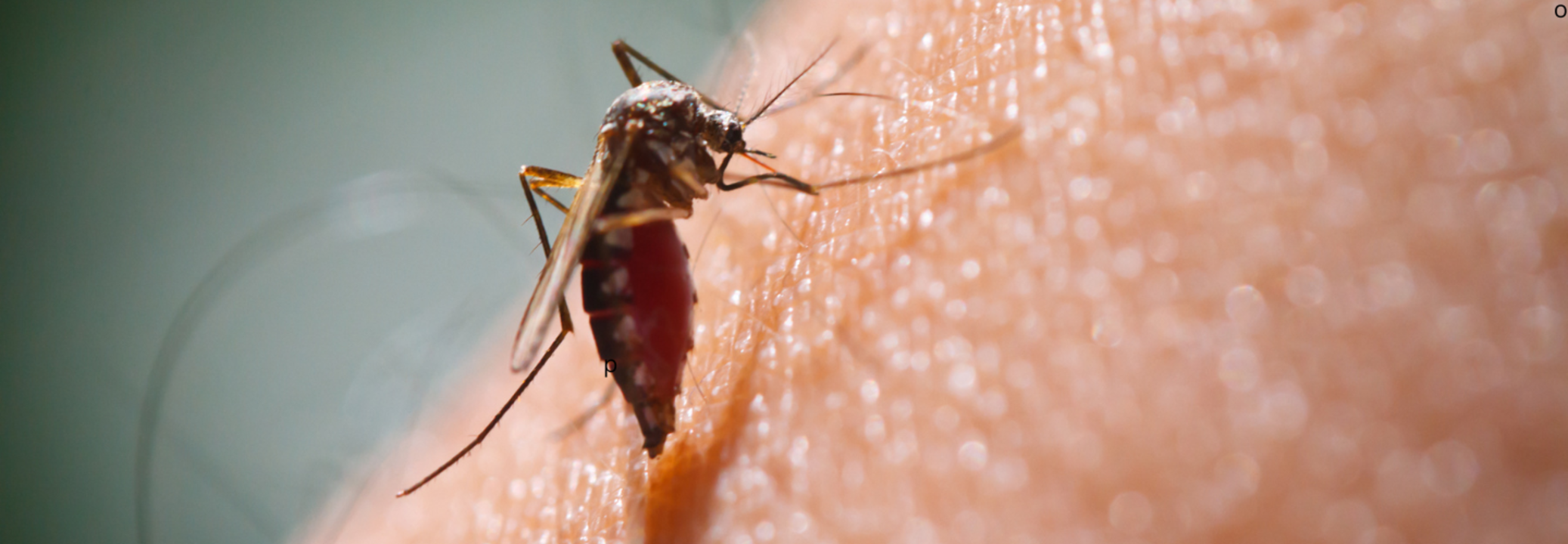
Towns in Massachusetts are closing their public parks at night and restricting outdoor activities. The reason is that mosquitoes are most active during the night, and a new, rare and potentially deadly mosquito-borne virus, Eastern Equine Encephalitis (EEE) or Triple E is in town. The virus spread through the bite of an infected mosquito and no vaccine or treatment is yet available. Ten communities in Massachusetts have been designated at high or critical risk for EE after the mosquitoes tested positive for the virus in the area.In humans, the virus can impact the central nervous system, including the brain and spinal cord, leading to severe illness or even death. Although eastern equine encephalitis cases are rare in the U.S., the annual number of reported cases can fluctuate, according to the Centers for Disease Control and Prevention (CDC). You’ll see a couple of cases each year, then some years have explosive outbreaks, where everything comes together — the mosquitoes, the birds, the migration, the bird immunity — and you’ll see dozens and dozens of cases,” said Dr. Daniel Pastula, chief of neuro-infectious diseases and global neurology at the University of Colorado School of MedicineWhen Was The First Case Reported?The first case of EEE was reported in 2020, with an elderly man being diagnosed on August 19. The virus was also detected in a horse in Plymouth, which has increased the risk of infection in the town. The Massachusetts Department of Public Health has warned that between 33% and 70% of cases of people infected with EEE may be fatal. Most of the deaths in the case have occurred with in two to 10 days after the symptoms appear. What Are The Symptoms?The symptoms include fever, headache, vomiting, diarrhoea, seizures, and behavioural changes. Plan Of ActionTo deal with the infected mosquito problem, the officials are using aerial spraying of pesticide Anvil 10+10, a product that is registered by the EPA for mosquito control.Residents have been told to avoid outdoor activities, especially in the evening, when the mosquitoes are at their peak. What The Experts Say?"EEE is a rare but serious disease and a public health concern," said Massachusetts Public Health Commissioner Robbie Goldstein. "We want to remind residents to protect themselves from mosquito bites, particularly in high-risk areas."However, this is not the first time Massachusetts has witnessed this outbreak, the state earlier saw 17 human cases and seven deaths from the virus in 2019 and 2020. While EEE is rare, only 11 cases are reported annually. However, it is still considered dangerous as many survivors have reported experiencing long-term neurological issues.