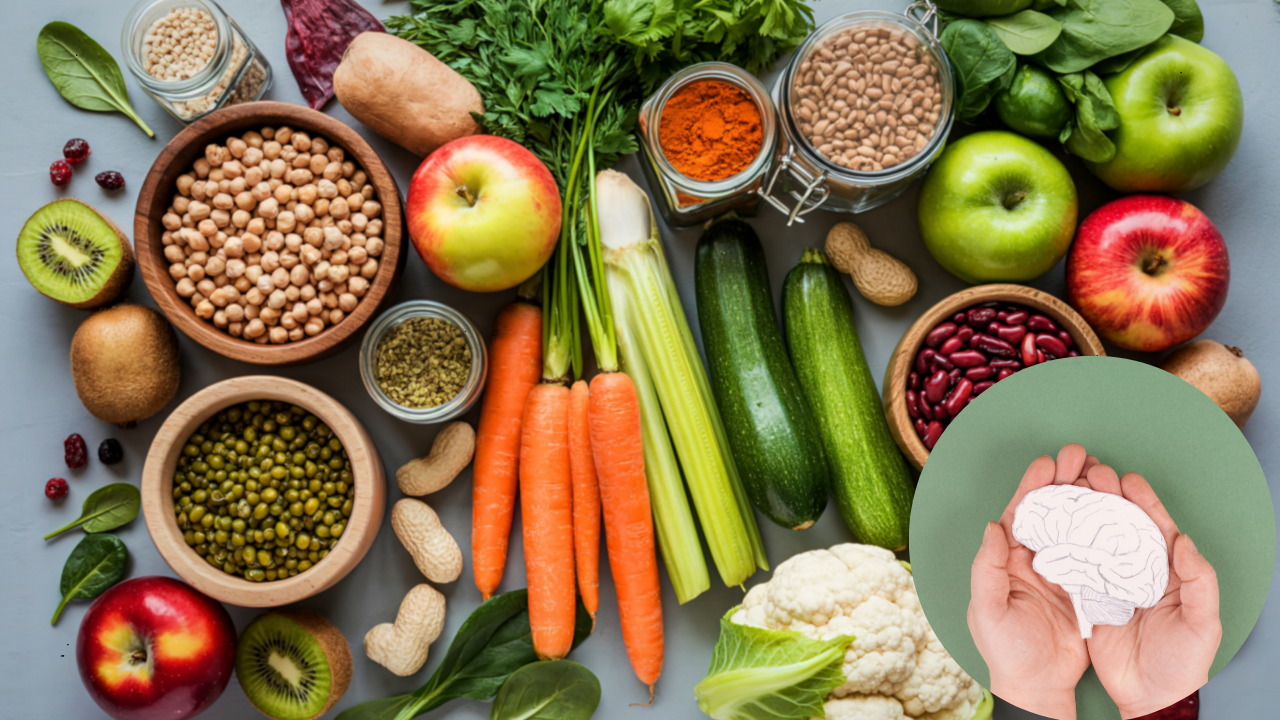
Parkinson’s Disease is traditionally characterized by motor symptoms such as tremor and dyskinesia, although non-motor symptoms, in particular gastrointestinal (GI) symptoms such as constipation and incomplete emptying, are often the first markers of the disease and may precede the motor symptoms by years. GI dysfunction is reported in approximately 70-80 per cent of Parkinson’s patients, mediated in large part through the gut-brain axis (GBA). Speaking to HealthandMe, Dr Paresh Doshi, Director of Neurosurgery and Stereotactic and Functional Neurosurgery at Jaslok Hospital and Research Center, GBA, is an established two-way network that links the GI tract and the central nervous system (CNS). The connection is multifaceted, involving the vagus nerve, the enteric nervous system (ENS), the immune system, and a vast number of microbial metabolites and neuroendocrine signals. “Constipation is seen in 66 per cent of Parkinson’s patients, attributed to disordered central and peripheral parasympathetic disruption, and can lead to alteration of the gut microbiome, which in turn worsens constipation, starting a feedback loop,” the doctor explained. What Parkinson’s Patients Must Eat Dr Sudhir Kumar, Neurologist at Apollo Hospitals Hyderabad, told HealthandMe that changes in the gut microbiome may influence inflammation, α-synuclein aggregation, and symptom progression. Practical dietary principles for Parkinson’s patients include: Prefer fiber-rich, plant-based foods (vegetables, fruits, whole grains), which support gut microbiotaInclude fermented foods (curd, buttermilk), which may improve microbial diversityReduce ultra-processed and pro-inflammatory foodsEnsure adequate hydration (helps reduce the risk of constipation, a common non-motor symptom)Protein timing matters: Levodopa competes with amino acids for absorption.Hence, lowering protein intake at breakfast and lunch and shifting the bulk of protein to dinner can improve drug response in selected patients with motor fluctuations. These gut-targeted interventions are promising adjuncts to conventional Parkinson's therapy, and improving patient quality of life. Parkinson’s Treatment With Dance, Art Beyond gut-brain axis, research has proven that unconventional therapy, like dance and art, can improve Parkinson’s treatment. A 2024 study published in the Scientific Reports found that tango, particularly Argentine tango, improved Parkinson's symptoms like thinking problems or balance issues. It also led to a significant improvement in recognizing emotions on people's faces. Dr Kumar said dance therapy improves balance, gait, and coordination; provides rhythmic cueing, which enhances motor performance, and improves mood and motivation (dopamine-related pathways). Similarly, art therapy has been shown to improve overall visual-cognitive skills and visual exploration strategies as well as general motor function in patients with Parkinson’s. The changes in brain connectivity highlight a functional reorganization of visual networks, as revealed by a study published in Parkinsonism & Related Disorders. Dr Kumar said art and creative therapies are also helpful in enhancing cognitive engagement. It may help with executive function and emotional well-being and provide a non-verbal outlet for expression. However, these therapies work best as adjuncts, not replacements, to standard treatment, the expert noted. World Parkinson’s Day 2026 World Parkinson's Day is observed annually on April 11 to raise global awareness of Parkinson’s disease, the world's fastest-growing neurodegenerative disorder. It highlights the need for early diagnosis, research, and support for the nearly 10 million people living with the condition. The day marks the birthday of Dr. James Parkinson, who first described the disease in 1817. The theme of World Parkinson's Day 2026 is "Bridge the Care Gap." It reflects a critical challenge that persists despite advances in medical research: many people living with Parkinson's still lack consistent access to specialist care, affordable treatment, and integrated support systems. Parkinson's disease affected 11.9 million people in 2021 and will affect 25.2 million people globally by 2050, representing an alarming 112 per cent rise.