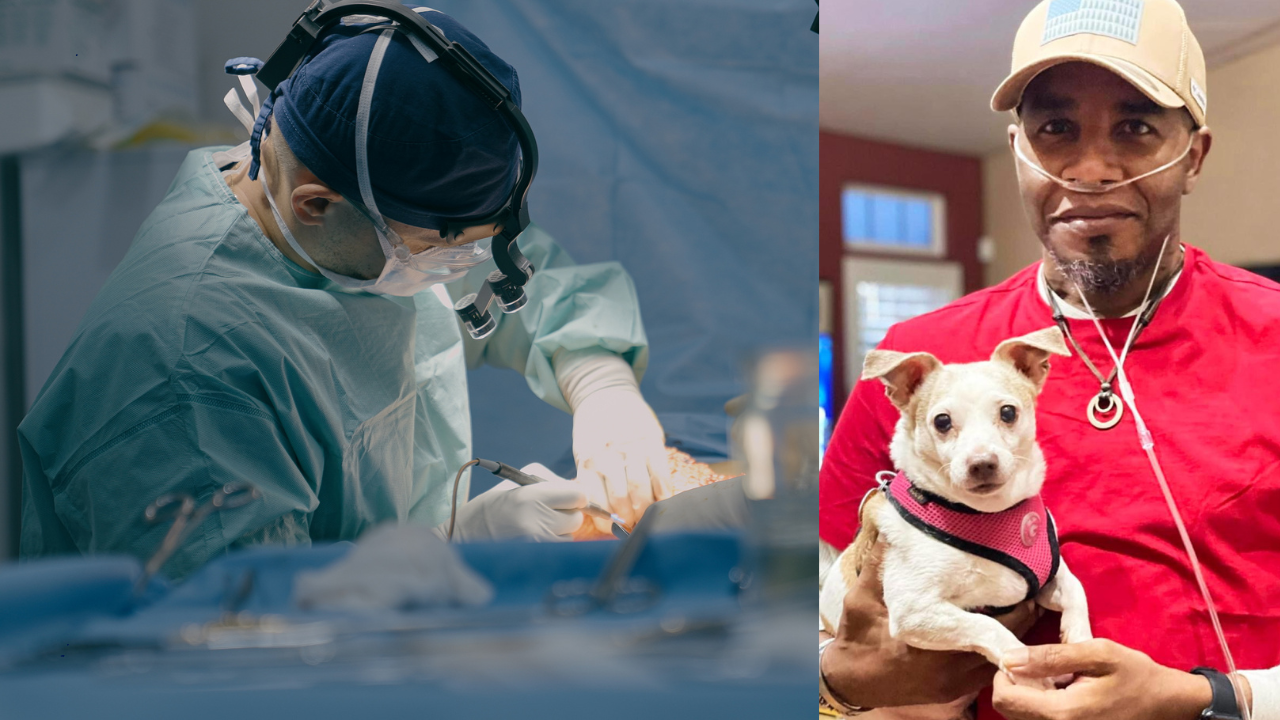
In a landmark medical achievement, NYU Langone Health in the United States has successfully carried out the world's first lung transplant from an HIV-positive donor to an HIV-positive recipient.Researchers described the procedure carried out on 56-year-old Bertrand Nelson, living with HIV for nearly 26 years, as a "watershed moment for the HIV-positive community". They noted that the medical feat could significantly expand the pool of organ donors available to people living with HIV."While these transplants are still only allowable under certain research protocols, this marks an expansion of options for people in need of a lifesaving organ," said Sapna Mehta, Clinical Director of the NYU Langone Transplant Institute.A New Frontier in Organ TransplantationAlso read: HIV No Longer Barrier To Organ Transplants, Say Delhi Doctors After Successful Kidney SurgeryThe transplant was performed under research protocols established through the 2013 HIV Organ Policy Equity (HOPE) Act, which allows organs from HIV-positive donors to be transplanted into HIV-positive recipients in approved research settings.According to the researchers, while HIV-positive donor transplants involving hearts and abdominal organs have been performed previously, this was the first time such a procedure was successfully carried out for the lungs."Transplantation of hearts and abdominal organs has been done before, but this has not been done in lung transplantation," said Mark A. Sonnick, transplant pulmonologist at NYU Langone Transplant Institute.Approximately 1.2 million people in the United States are living with HIV. Thanks to modern antiretroviral therapy (ART), most people with HIV can now live long, healthy lives, have near-normal life expectancy, and are unable to transmit the virus when treatment is effective.Bertrand Nelson Gets Dual-Organ TransplantNelson was diagnosed with both HIV and sarcoidosis, an inflammatory disease that can affect multiple organs, particularly the lungs, in 2000. At the time, doctors said the condition was in remission.However, in 2021, Nelson contracted Legionnaires' disease, a severe form of pneumonia that required weeks of hospitalization. The illness reactivated his sarcoidosis, which subsequently spread to his liver.By 2024, his condition had deteriorated significantly. He required increasing amounts of oxygen to breathe and was referred to the NYU Langone Transplant Institute for evaluation for both lung and liver transplantation.Following assessment under the HOPE Act research program, Nelson was approved for a dual-organ transplant.On March 21, surgeons transplanted both a new set of lungs and a new liver during the same operation, making medical history.Read More: Australia’s H5N1 Detection Marks End Of Last Virus-Free ContinentLife After SurgeryIn a statement, NYU Langone said Nelson is doing well after the complex surgery."Nelson is now off oxygen for the first time in four years and getting back in shape after years of limited mobility," the statement read.Nelson credited his mother, who will turn 82 in August, for her unwavering support throughout his health struggles."I want to be well for her," Nelson said. "I want her to see me thriving."Hope for People Living With HIVNelson hopes his experience will encourage others and draw attention to the need for greater access to organ transplantation within the HIV community."There are so many others who need access to this level of care, and the more organs that become available, the better the odds of finding the right match and living a long life," he said.Can People With HIV Get A Transplant? As per the US National Institutes of Health, people with HIV can successfully donate or receive transplanted organs with reasonable success rates. However, health care providers must consider and monitor potential drug interactions, kidney and liver function, and HIV viral suppression in people with HIV receiving a transplant. Further, the NIH advised HIV positive patients to continue taking all prescribed HIV medicines before and after transplant.