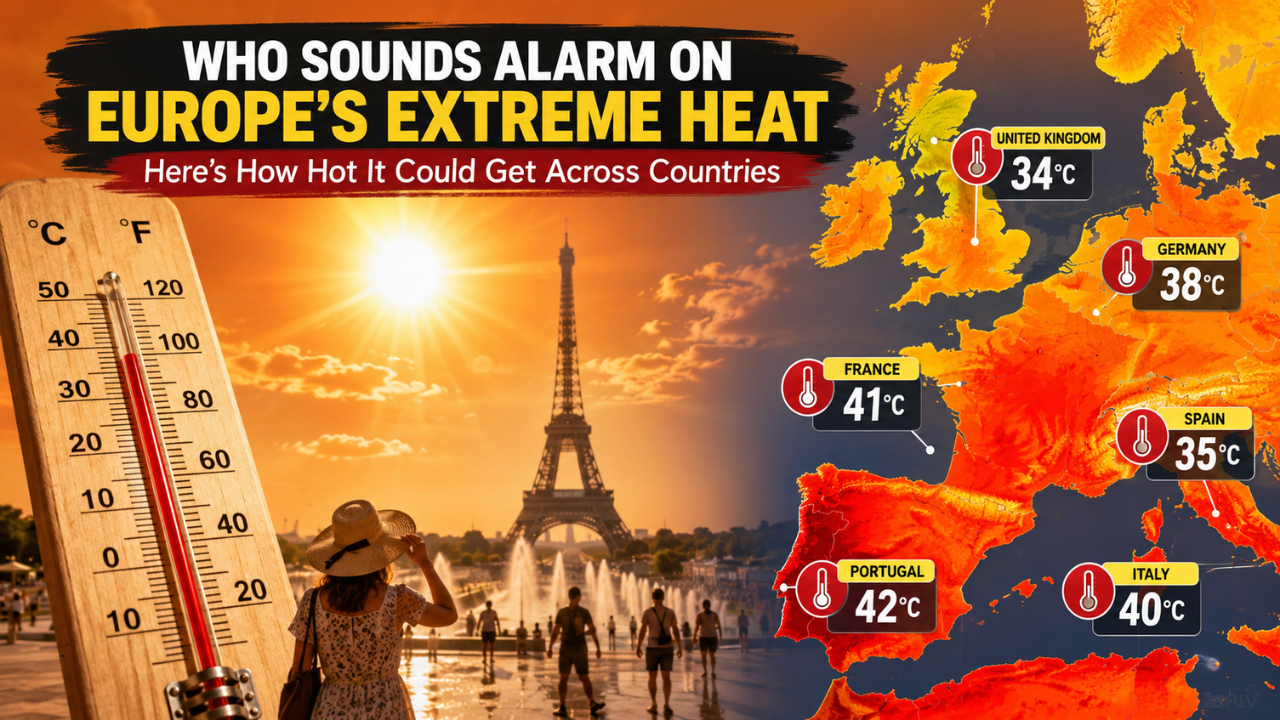
As several European countries grapple with severe heatwave conditions, the World Health Organization (WHO) has sounded the alarm, warning that rising temperatures are becoming a major public health emergency."Heat is no longer only a weather story. It is a health emergency," said Hans Kluge, WHO Regional Director for Europe, in a post on social media.The warning comes as Europe faces another summer of extreme temperatures, with the global health organization linking the trend to "climate change, rapid urbanization, and an "aging population".Heat An Urgent Public Health ThreatIn its recently launched Heat-Health Action Plans Guidance, the WHO described extreme heat as an "urgent and growing public health threat."The agency noted that rising temperatures increase illness and deaths, place additional strain on healthcare and social care systems, and disproportionately affect vulnerable groups such as older adults, children, people with chronic illnesses, and outdoor workers."Our Region is the fastest-warming region globally. In the past four years alone, heat has claimed more than 200,000 lives, while heat-related mortality has risen by 30% over the past 20 years," said Kluge, in an interview with BBC News.He stressed that many heat-related deaths can be prevented through timely action and preparedness.The WHO Europe also urged governments, employers, and institutions to strengthen heat action plans to protect vulnerable populations.Also read: Heatwaves, Ozone Pollution Driving Heart And Lung Disease Deaths In India: IIT StudyHow European Countries Are Bracing The Heat?Read More: Extreme Heat To Drive US Heart Disease Burden Up 200% By 2050: Study FranceFrance is among the countries hardest hit by the current heatwave. Authorities expected 35 of the country's 96 departments to be placed under red heatwave alerts, with temperatures ranging from 39°C to 40°C across large parts of the country. Some areas could see temperatures climb to 41°C.Officials have announced a partial alcohol ban in certain areas and strengthened wildfire preparedness measures. The government has also ordered increased monitoring of water supplies used to cool the country's nuclear reactors.GermanyGermany has issued nationwide heat alerts as temperatures approach 38°C. The national weather service, DWD, warned that the combination of intense heat and humidity could trigger severe thunderstorms, adding another layer of risk to the ongoing heatwave.SpainIn Spain, extreme heat forced the closure of a soccer fan zone, highlighting the impact of rising temperatures on public events and outdoor activities.PortugalPortugal is expected to experience its hottest conditions early next week. According to the Portuguese Institute for Sea and Atmosphere (IPMA), temperatures could reach as high as 42°C.ItalyItaly is also preparing for a significant heatwave. Weather forecasts suggest temperatures in several northern and central cities could hit 40°C for the first time this year, affecting both residents and tourists across the country.UKThe United Kingdom has also issued an extreme heat warning for early next week. The Met Office predicts temperatures could peak at around 34°C, with southern England expected to experience temperatures in the low 30s before the heat expands and intensifies on Monday and Tuesday.Storm AlertAlongside soaring temperatures, several European countries are facing the risk of severe storms. Meteorological agencies have warned that heat and humidity could fuel thunderstorms, increasing the likelihood of flash floods, strong winds, and other weather-related disruptions.Read More:22 Treated For Heat Illness At FIFA Fan Festival: How Are World Cup Players Protected?WHO Calls For Immediate ActionWHO Europe has urged governments, employers, and institutions to strengthen heat action plans to protect vulnerable populations.Kluge said that it is important to warn communities early, make cities cooler, ensure access to water and shade, check on those most at risk, prepare health systems before temperatures peak.How To Protect Yourself During Extreme HeatTo reduce the health risks associated with extreme temperatures, one shouldStay hydrated throughout the daySeek shade and cooler indoor environmentsAvoid outdoor activities during peak afternoon heatCheck regularly on elderly relatives, neighbors, and other vulnerable individualsFollow public health advice issued by local authorities Protecting outdoor workers from midday heat exposure.