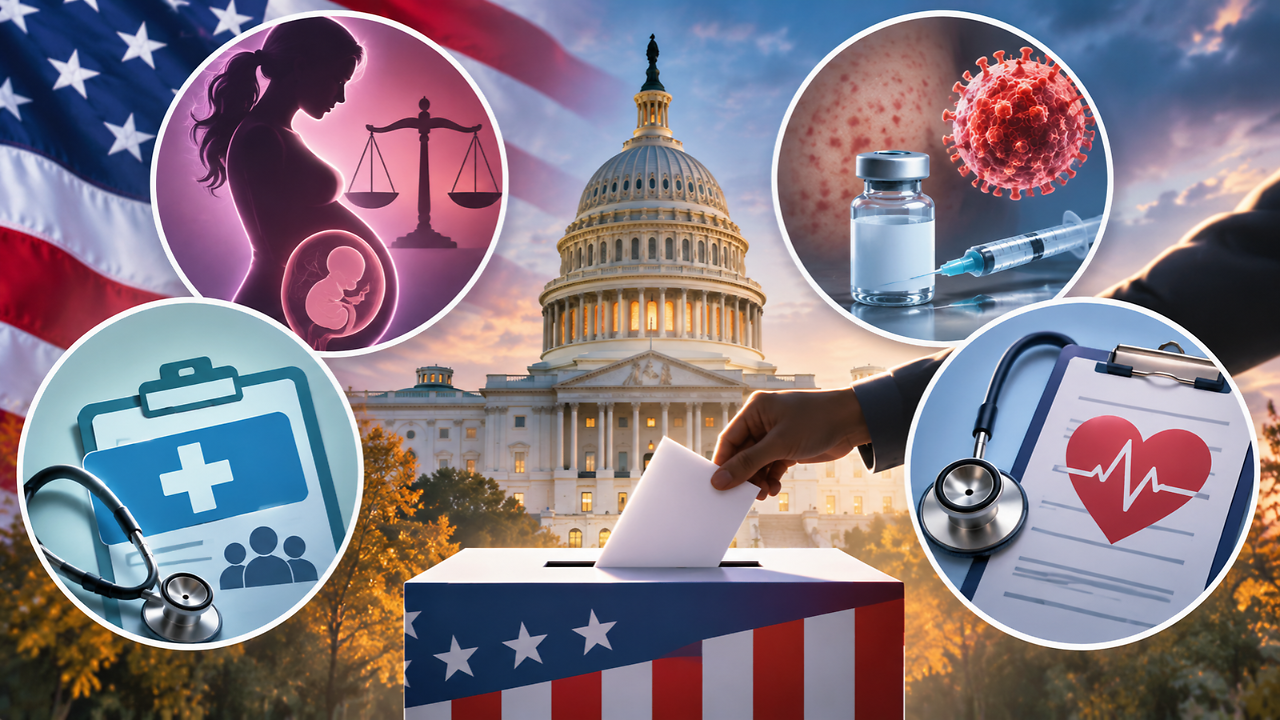
Healthcare has emerged as a major concern in US midterm elections. Voters have been actively weighing surging medical costs, quality and access to reproductive healthcare, Medicaid funding and vaccination policies.While the elections will determine control of Congress and several state legislatures, their outcome could also influence how Americans navigate healthcare, what treatments insurance plans cover and how public health programmes are funded.Healthcare costs are particularly pressing for majority of Americans. An October KFF poll found that 25% of voters were very worried about affording healthcare, while another 35% were somewhat worried. According to ABC News, rising insurance premiums, prescription drug costs and the growing use of expensive weight-loss GLP-1 medications are adding to these concerns.Here are all the major healthcare issues at stake.Rising Healthcare Costs And Insurance PremiumsAlso read: US Midterms 2026: 125 Doctors, Nurses And Health Experts Join Election BattleAffordability is one of the biggest healthcare concerns for voters. The enhanced Affordable Care Act (ACA) premium tax credits expired at the end of 2025, increasing what many people pay for health insurance.According to KFF, the average monthly benchmark premium for ACA coverage rose from $497 in 2025 to $625 in 2026. The benchmark silver premiums are projected to increase by an average of 13% in 2027.The rising cost of insurance sponsored by employers, deductibles and prescription medicines has contributed to the burden. Experts are examining the contribution of healthcare AI tools, tariffs on medical supplies and increased spending on GLP-1 medications.The debate centres on how to make healthcare more affordable. Democrats have been emphasising the restoration of ACA subsidies and Republicans highlighting alternative insurance policies and drug-pricing initiatives.Medicaid Funding And Work RequirementsAlso read: Spanish Striker Jesus De Miguel Dies After On-Field Collision: Can A Blow To The Chest Trigger Cardiac Arrest?Medicaid, the government health insurance programme for Americans with low income, is another major election issue.Changes introduced under the 2025 budget reconciliation law will bring new eligibility and work requirements. Starting January 1, 2027, most states will be required to implement work requirements for certain adults enrolled through Medicaid expansion.Supporters argue that the requirements will encourage employment and protect public resources. Critics warn that administrative red tape, reporting requirements and difficulties documenting eligibility could cause people who qualify to lose coverage.According to KFF, Congressional Budget Office projections cited in its analysis estimate that the Medicaid provisions could leave 7.5 million more people uninsured by 2034.Abortion Rights And Reproductive HealthcareAlso read: Trump Signs Women’s Health Order: Melania’s 5 Pillars of Innovation ExplainedAbortion remains a major issue in several state-level elections, particularly after the overturning of Roe v. Wade in 2022, which put an end to the constitutional protection for abortion access.According to the Guttmacher Institute, voters in four states will consider ballot measures related to abortion.Idaho, Nevada and Virginia have measures seeking to protect reproductive freedom, while Missouri voters will decide whether to repeal established abortion protections.Virginia’s measure includes protections related to contraception, fertility care, pregnancy and childbirth, while Nevada’s proposal seeks constitutional protection for abortion access. Idaho’s initiative would challenge the state’s abortion ban.Missouri’s Amendment 3, meanwhile, seeks to reverse the reproductive freedom protections approved by voters in 2024.The results could shape access to abortion and other reproductive healthcare services.Measles Outbreaks And Vaccination PoliciesAlso read: 'It’s The Best-Studied Vaccine In Human History': Former CDC Adviser Busts Common Myths About COVID VaccinesVaccination and public health debates have also become politically inflammatory, especially amid the resurgence of measles in the United States.The CDC reported 4,852 confirmed measles cases across 47 jurisdictions as of October 29, 2026. This compares with 2,289 cases reported during the whole of 2025. Nearly 96% of this year’s confirmed cases were linked with outbreaks.Declining childhood vaccination coverage has contributed to the concerns. CDC data shows that MMR vaccination coverage among kindergarten children fell from 95.2% in the 2019–2020 school year to 92.4% in 2025–2026, below the 95% level that is generally needed to maintain community protection.Federal vaccine policy has also become a subject of debate as changes to childhood vaccine recommendations and emphasis on individual decision making has drawn scrutiny from public health experts. Prescription Drug Prices And Access To MedicinesThe cost of prescription medicines is another issue. Democrats have emphasised Medicare’s ability to negotiate prices for selected prescription drugs under the Inflation Reduction Act. Republicans have highlighted the administration’s most-favoured-nation drug-pricing agreements, which seek to link US medicine prices to those paid in other developed countries.The growing use of GLP-1 medications has also intensified the debate over prescription spending and insurance coverage.A recent report stated that spending on GLP-1 medicines increased from $13.7 billion in 2018 to $71.7 billion in 2023. These medicines accounted for approximately 14% of US prescription drug spending in 2025, according to the American Society of Health-System Pharmacists.The primary question for voters is whether proposed pricing measures will translate into lower costs and better access to essential medicines.With all 435 seats in the House of Representatives and 33 Senate seats up for election, the midterm elections will determine the composition of the next Congress. Although healthcare is not the only issue for voters, rising medical costs, insurance affordability, reproductive rights and public health policies have become an important part of the debate.