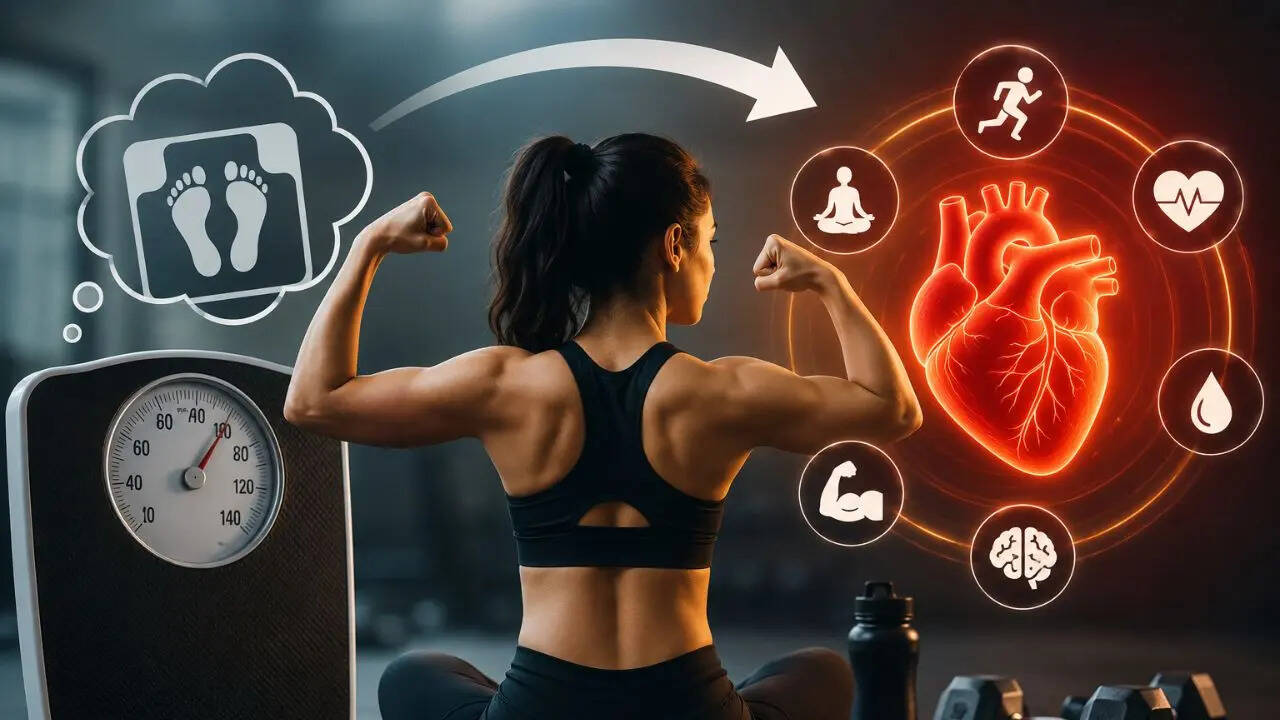
Millions of Americans hit the gym hoping the numbers on the scale will quickly drop. But if weeks of consistent workouts haven't translated into evident weight loss, a new scientific statement from the American Heart Association (AHA) can explain why. Published in the journal Circulation recently, the review explains why exercise alone is not enough to achieve meaningful weight loss unless it is combined with dietary changes or very high levels of physical activity. However, researchers stress that even when body weight barely changes, regular exercise delivers powerful benefits for heart health, metabolism, and overall well-being. Exercise Alone May Not Lead To Major Weight Loss The AHA study says that while physical activity burns calories, many people unknowingly compensate by eating more or moving less throughout the rest of the day. As a result, hitting the calorie deficit needed for significant weight loss is often missed. The statement found that exercise by itself usually results in less than 5% body weight loss unless aerobic activity reaches approximately 225 to 420 minutes per week. Fewer than 15% of people achieve clinically significant weight loss through exercise alone. Most individuals lose only around 3% of their body weight with exercise without making dietary changes. The health benefits begin long before the scale changes Researchers emphasize that focusing only on body weight misses many of the most important effects of exercise.Also read: ICMR Study Highlights India’s Silent Cholesterol Crisis: 9 In 10 Adults Have At Least One Abnormal Blood Lipid Regular physical activity can: Lower blood pressureImprove cholesterol levelsEnhance insulin sensitivity and blood sugar controlReduce inflammationImprove cardiovascular fitnessLower the risk of heart disease and premature deathThese health improvements can occur even when there is little change in body weight. Exercise Helps Preserve Muscle While Losing Fat One of the biggest concerns during weight loss is losing muscle along with fat. According to the AHA, combining exercise, particularly resistance training, with calorie deficit helps preserve lean muscle mass. Maintaining muscle is important because it supports metabolism, mobility, strength, and healthy blood sugar regulation. Researchers also note that consuming adequate protein alongside resistance exercise further helps protect muscle during weight loss. One of the researchers said, "For most people, cardio exercise without changing your diet is unlikely to result in a large amount of weight loss. Dietary changes remain the primary driver of weight loss. However, physical activity plays a powerful supporting role when combined with other treatments, including healthy eating, weight loss, medications, or surgery. Exercise can help people lose a little more weight, preserve important lean mass, especially with resistance exercise, and improve overall health."Also read: Risks Of Plastic Pollution: Study Finds Microplastics In Heart Arteries Can Cause Severe Heart Attacks Dr. Danielle L. Swift, chair of the scientific statement writing group and professor at the University of Virginia, said in an American Heart Association news release, "Maintaining weight loss is often more difficult than achieving it." The statement highlights that consistent physical activity is one of the strongest predictors of keeping lost weight off over the long term. US Obesity Crisis The findings come as obesity continues to affect more than four in 10 adults in the US, increasing the risk of type 2 diabetes, heart disease, stroke and several cancers. At the same time, the AHA reports that only one in four U.S. adults meets the recommended physical activity guidelines. The authors say people should rethink what "success" looks like after starting an exercise routine. If blood pressure falls, cholesterol improves, energy increases, sleep improves, and fitness rises, meaningful health improvements are occurring even if the scale moves slowly.