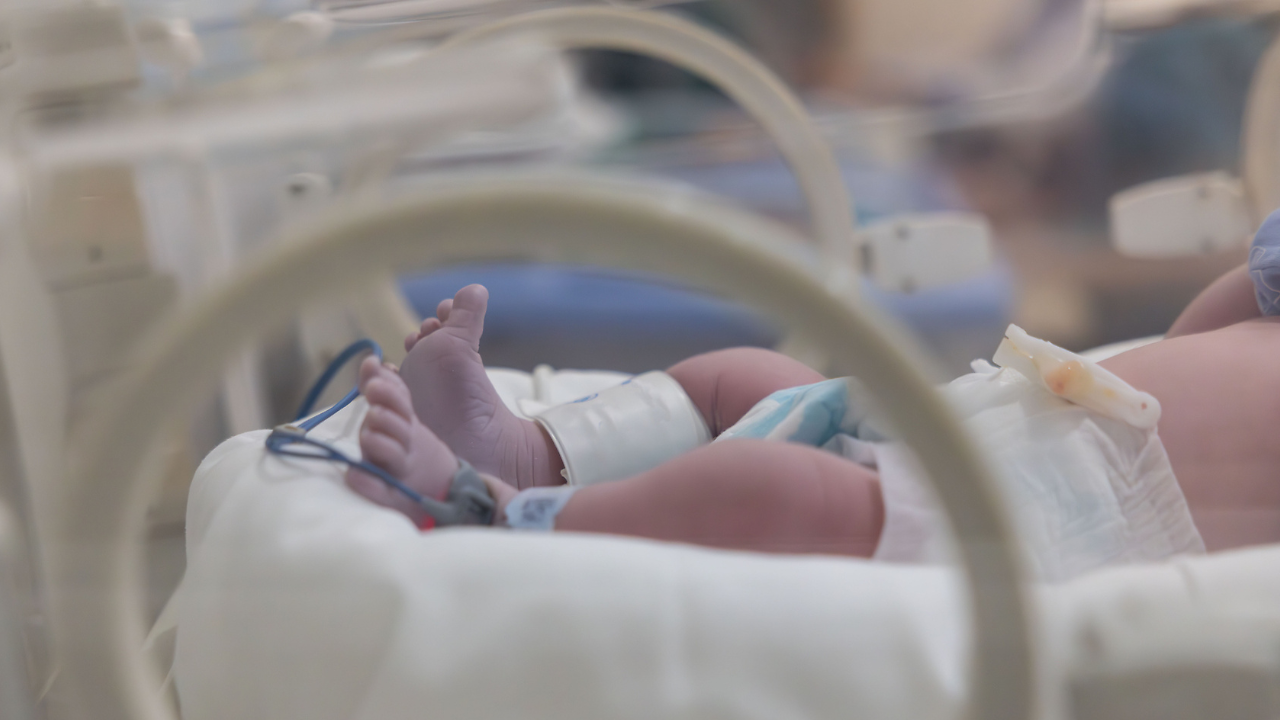
Three newborn babies died after a fire broke out inside the Neonatal Intensive Care Unit (NICU) of Amravati District Women’s Hospital in Maharashtra early Monday, August 24. The fire reportedly began around 3:15-3:30 am after a ventilator sparked or exploded, although the exact cause is yet to be known. The three infants died after suffering severe burns and smoke inhalation. Around 39 newborns were receiving treatment in the NICU at the time. Doctors and other hospital staff rushed to evacuate the babies. Six critical infants were shifted to a nearby super-speciality hospital. The incident has highlighted one of the most difficult challenges during a NICU fire, i.e., moving critically ill newborns without interrupting the life support they depend on. Newborns On Ventilators Cannot Simply Be EvacuatedFor a critically ill newborn, a ventilator may be continuously delivering carefully controlled oxygen and pressure to keep the lungs functioning. Disconnecting the baby from the ventilator, even temporarily, can cause oxygen levels to fall rapidly, particularly in premature babies or those with severe respiratory distress. A baby may also be connected to several other devices at the same time, including: Intravenous lines delivering medicines or fluidsCardiac and oxygen monitorsFeeding tubesCentral or arterial linesOther respiratory-support equipmentThis means evacuation in case of fire entails much more than picking up the baby and moving them to another room.Also read: Lindsay Clancy Trial: What Postpartum Psychosis Really Looks Like, From A Survivor Babies On Ventilator Need Portable Life Support Neonatal transport is considered a high-risk procedure because premature and critically ill babies can deteriorate quickly when their temperature, oxygenation or circulation changes. In an emergency like fire, there may not be enough time or equipment to transfer every baby individually to a transport incubator. That creates a difficult balance between maintaining life support and getting the baby away from smoke, heat and flames as quickly as possible. When a critically ill newborn has to be moved, medical teams may need to use transport ventilators or other portable equipment that supports respiration. Transport incubators may also provide a controlled environment while allowing a newborn to remain connected to essential monitoring and respiratory support.Also read: New Mothers Are Turning To AI For Breastfeeding Advice; Experts Warn Of Hidden Risks Smoke Is A Major Threat Inside A NICU Smoke inhalation and toxic gases can rapidly compromise a newborn’s breathing. This is particularly dangerous for preterm babies whose lungs are already premature and who may need oxygen or mechanical ventilation. NICUs also contain multiple electrical devices and medical equipment operating continuously. Oxygenated environments can further fuel the severity of a fire, although oxygen itself does not burn.Officials have ordered an investigation into the incident to establish exactly how the fire began and whether equipment failure or another factor was responsible. Maharashtra Chief Minister Devendra Fadnavis has ordered a high-level inquiry. The tragedy comes amid renewed concerns about fire safety in neonatal units, where patients are among the most vulnerable in a hospital. The incident demonstrates why NICU fire preparedness needs to account for patients who cannot walk, be carried normally or simply disconnected from machines and rushed outside.