
- Health Conditions A-Z
- Health & Wellness
- Nutrition
- Fitness
- Health News
- Ayurveda
- Videos
- Medicine A-Z
- Parenting
Wegovy 7.2 mg: Higher-Dose Weight-Loss Jab Cleared For Launch In UK
Credits: AI Generated
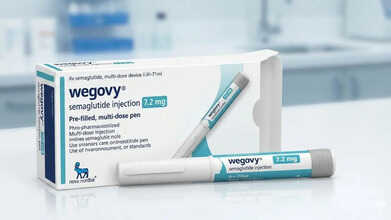
The UK’s drug regulator has cleared a higher-strength dose of the weight-loss injection Wegovy, as demand for the treatment is expected to rise sharply. The newly approved 7.2 mg dose is three times stronger than the current weekly dose of 2.4 mg. The Medicines and Healthcare products Regulatory Agency, or MHRA, said the stronger dose can lead to weight loss of more than 20 per cent. Trial data reviewed by the regulator showed that around one in three adults living with obesity who took the higher weekly dose lost more than 25 per cent of their body weight after 72 weeks.
Weight Loss Jab To Launch Stronger Dosage In UK
The MHRA’s latest approval for Wegovy is based on findings from a clinical study known as STEP UP, which looked at how patients responded to the treatment. Results showed that people taking the 7.2 mg dose lost an average of 20.7 per cent of their body weight, compared with a 2.4 per cent reduction among those given a placebo. The trial also noted side effects, with mild to moderate digestive problems reported most often.The approval comes alongside research from the University of Oxford suggesting that people using drugs such as semaglutide, sold as Wegovy, and tirzepatide, marketed as Mounjaro, tend to lose weight while on treatment but regain it within about 20 months after stopping the injections. According to The Independent, people who lose weight through diet and exercise tend to maintain the loss for longer, close to four years on average, although some regain still occurs over time.
Researchers cautioned that people using weight-loss injections need long-term support, as their analysis showed weight returns more quickly after stopping the drugs than it does for those following traditional diet plans. The study also found that improvements in blood sugar, cholesterol levels, and blood pressure fade once the medication is discontinued, leaving many patients back where they started. The Oxford-led research, published in the British Medical Journal, reviewed 37 studies involving more than 9,000 participants.
What Is Wegovy?
Wegovy is a widely used weight-loss injection containing the active ingredient semaglutide. Studies show that people on the standard maintenance dose of 2.4 mg lose an average of 17 per cent of their body weight over 68 weeks. A higher 7.2 mg dose has now been approved for use in the UK, with clinical trials indicating it can deliver weight loss of up to 21 per cent.
What is Wegovy 7.2mg?
Wegovy 7.2 mg is a new maintenance dose of the semaglutide-based weight-loss injection. Until now, the highest approved weekly dose was 2.4 mg. The stronger 7.2 mg option is being introduced by the drug’s manufacturer, Novo Nordisk, following its submission to regulators for approval.
This new dose uses the same active ingredient, semaglutide, and works in the same way by helping overweight or obese adults lose weight. It does this by copying the action of the hormone glucagon-like peptide-1, or GLP-1, which helps regulate appetite and food intake.
Further studies examining the safety and effectiveness of the higher dose are already in progress. The latest findings from the STEP UP phase 3b trial were published in November 2025.
How Effective Is The Wegovy 7.2 Dose?
The STEP UP phase 3b trial assessed how safe and effective the 7.2 mg dose of Wegovy is. The study included 1,407 participants who were randomly assigned to receive either 7.2 mg or 2.4 mg of Wegovy, or a placebo, over an 11-month period.
The average weight loss recorded was:
- 20.7 per cent in the 7.2 mg group
- 17.5 per cent in the 2.4 mg group
- 2.4 per cent among those given a placebo
The approval follows recent findings showing that about 1.6 million people used Wegovy or Mounjaro last year. Another 3.3 million people said they would consider using weight-loss medications in the coming year.
According to The Independent, research by University College London based on a survey of 5,260 people found that 2.9 per cent of respondents were using GLP-1 drugs for weight loss. Of those, 15 per cent were taking medication that is not licensed for that purpose. Researchers warned that using drugs off label, meaning for conditions they are not approved to treat, such as using diabetes drugs for weight loss, can carry safety risks if taken without proper medical supervision.
500 Girls In Rajasthan Receive HPV Vaccine In First Five Days Of Prevention Drive
Credits: Canva
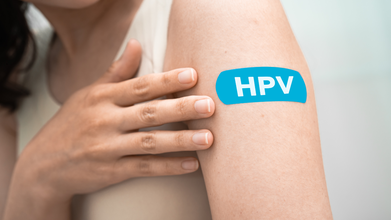
500 girls have received the Human papillomavirus (HPV) vaccines in the first five days of launching the cervical cancer prevention drive. A senior officer, as also reported by TOI noted that misinformation and lack of awareness could lead to a lower number of girls showing up. This is why, while the initial response is encouraging, logistics are still need to be figured out, including identification of session sites and to widen coverage and counter doubts that surround the vaccine. "The HPV vaccine helps prevent cervical caner, one of the most common cancers among women in the country. Addressing public concerns is crucial for the program's success," said the official.
Health officials along with public health experts will be conducting interactive sessions on social media across districts on Thursday. In Sikar, a dedicated platform will also allow experts to respond to the questions directly on HPV infections, vaccine safety, eligibility and benefits.
As of now, the program allows a single vaccine dose for girls who have completed 14 years and are yet to turn 15. As per the Health Department, around 8.32 lakh girls in Rajasthan are eligible for the vaccine annually.
Nationwide Free HPV Vaccine Drive
Prime Minister Narendra Modi on February 28 launched the nationwide Human Papillomavirus (HPV) vaccination campaign for girls aged 14 years from Rajasthan's Ajmer.
The initiative marks a decisive step towards eliminating cervical cancer through timely HPV vaccination. Cervical cancer remains the second most common cancer among women in India. Nearly 80,000 new cases and over 42,000 deaths are reported annually in the country.
Read: PM Modi Launches Nationwide Free HPV Vaccination Drive; A Landmark Step, Says WHO
"Today, I have had the opportunity to launch the HPV vaccine campaign from Ajmer. This campaign is an important step towards empowering women and daughters of this country,” PM Modi said.
“For us, this was a sensitive issue tied to the insult of our sisters and daughters, one that made them ill. That is why we resolved it at a crucial turning point in their mission,” he added.
The World Health Organization has also lauded India's mission to launch the HPV vaccine and prevent the risk of cervical cancer.
“We are leaving no stone unturned to ensure that the daughters of the country are healthy and prosperous. The objective of this initiative is the prevention of cervical cancer," the Prime Minister, earlier wrote in a post on social media platform X.
Who Can Avail The Nationwide Free HPV Vaccination Drive?
The vaccine is most effective when it is administered before exposure to HPV and before becoming sexually active. Young women aged 9 to 14 years show vaccine effectiveness of 74 to 93 per cent and this decreases with age.
Girls aged 9 to 14 should get two doses of the vaccine in 6 to 12 months apart
Women aged 15 to 26 years can get three doses in 0, 2, and 6 months apart
Adults aged 27 to 45 must get it after consultation with their healthcare provider
Chile Becomes The First Country In Americas To Eliminate Leprosy, Says WHO
Credits: Canva
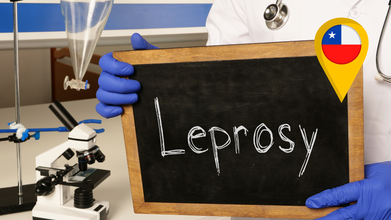
Chile became the first country in the Americas to be verified by the World Health Organization (WHO) for the elimination of leprosy. WHO with Pan American Health Organization (PAHO), congratulated Chile for becoming the first country in the Americas and second globally to eliminate leprosy.
Leprosy (Hansen disease) was historically recorded in Chile at the end of the 19th century on Rapa Nui (Easter Island). The disease was limited in mainland Chile, with sporadic introductions, contained through isolation and treatment measures in the Island, where the last secondary cases were managed by the late 1990s.
Since then, Chile did not report locally acquired case of leprosy in more than 30 years. The last locally acquired case was detected in 1993. However, the disease was never removed from public health agenda and remained a notifiable condition and monitored through mandatory reporting, surveillance and continuous clinical readiness.
Chile Makes History In Health Care
Dr Tedros Adhanom Ghebreyesus, WHO Director-General said, “This landmark public health achievement is a powerful testament to what leadership, science, and solidarity can accomplish. Chile’s elimination of leprosy sends a clear message to the world: with sustained commitment, inclusive health services, integrated public health strategies, early detection and universal access to care, we can consign ancient diseases to history.”
PAHO Director Dr Jarbas Barbosa said, "Chile’s achievement demonstrates that eliminating leprosy is achievable and requires building strong systems that can detect, respond to, and provide comprehensive care for people affected by the disease, including those living with chronic disabilities. Being the first country in the Americas to be confirmed as eliminating leprosy sends a powerful message to the Region – that diseases strongly linked to groups living in vulnerable conditions can be eliminated, contributing to interrupt the vicious circle between disease and poverty.”
How Did Chile Achieve Elimination of Leprosy?
As per WHO between 2012 and 2023, Chile reported 47 cases nationwide, none of which were locally acquired.
WHO notes that Chile's integrated model ensures early detection and comprehensive care: primary care centers serve as the entry point for suspected cases, with timely referrals to specialized dermatology services for diagnosis, treatment, and follow-up. Clinicians receive training aligned with WHO's Towards zero leprosy strategy. The system prioritizes early intervention, disability prevention, and holistic care, including physiotherapy and rehabilitation services, ensuring that anyone affected by leprosy receives continuous support for both acute and long-term health needs to promote full recovery and social inclusion.
What Is Leprosy?
Leprosy is also known as Hansen disease. It is a chronic infectious disease that is caused by bacterium Mycobacterium leprae. It affects the skin, peripheral nerves, upper respiratory tract mucosa and eyes.
If it is not treated timely, it could lead to permanent nerve damage, disabilities and social stigma. However, the condition is fully curable with multidrug therapy and early detection could prevent further complications.
Warning Issued In Plymouth Over Drug Overdose; NAP Shares Antidote That Could Save Lives
Representational Image (Canva)
Warning has been issued in Plymouth due to an increase in drug overdose which have been linked to substances like heroin or pregabalin. Naloxone Advocates Plymouth, also known as NAP issued the warning for people to take "extra care". NAP is a community interest company or a CIC, which is made of volunteers who work to reduce drug-related deaths in Plymouth.
Warning On Drug Overdose: What Is It?
On March 2, NAP shared a Facebook post, where the NAP spokesperson said: "A quick heads up for people in Plymouth/ We have recently seen more overdoses than usual linked to substances that slow breathing (such as heroin or pregabalin). We want people to be aware so they can take extra care."
Signs Of Someone Who Is Overdosing
- Being unconscious
- Slow breathing or not breathing
- Loud snoring
- Choking or gurgling sounds
- Blue lips
NAP also said if someone becomes unwell, one must immediately call 999, and place the person in the recovery position if they are breathing.
What To Do If Someone Has Overdosed On Drugs?
NAP also noted emergency antidote, as reported by Plymouth Herald too, in the event of an overdose of heroin or other opiated or opioids. NAP noted that even if you are unaware of what the unwell person has takes, the antidote "will not harm them, and sometimes drugs contain opioids even when they are not sold as such". NAP said one can administer naloxone as an antidote.
NAP also asked the person to stay with the unwell person for 20 minutes or until help arrives as the person could go back into overdose once naloxone wears off.
If the person is not breathing, one should immediately call 999 and start CPR, noted NAP.
What Is Naloxone? The Antidote That Works On Drug Overdose
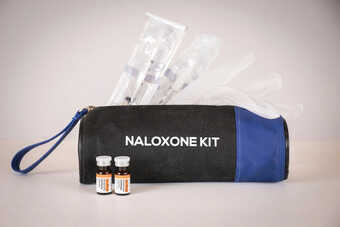
As per the National Institute on Drug Abuse, NIH, US, naloxone is a medicine that rapidly reverses an opioid overdose. It is an opioid antagonist. This means that it attaches to opioid receptors and reverses and blocks the effects of other opioids. Naloxone can quickly restore normal breathing to a person if their breathing has slowed or stopped because of an opioid overdose. But, naloxone has no effect on someone who does not have opioids in their system, and it is not a treatment for opioid use disorder.
It should be given to any person who shows signs of an opioid overdose or when an overdose is suspected. It could be administered through nasal spray or injected through the muscle, under the skin or into the veins.
The National Institute on Drug Abuse notes that families and loved ones could carry naloxone with them if they know someone in their family struggles with drug abuse. However, they can ask pharmacists or health care provider on how to administer the antidote.
However one must not that it works in the body for only 30 to 90 minutes, whereas some opioids could stay longer than that. This is why it is important to call for help. Furthermore, people given naloxone must be observed and monitored even after the last dose of naloxone to make sure their breathing do not slow down.
- Follow Us :


© 2024 Bennett, Coleman & Company Limited