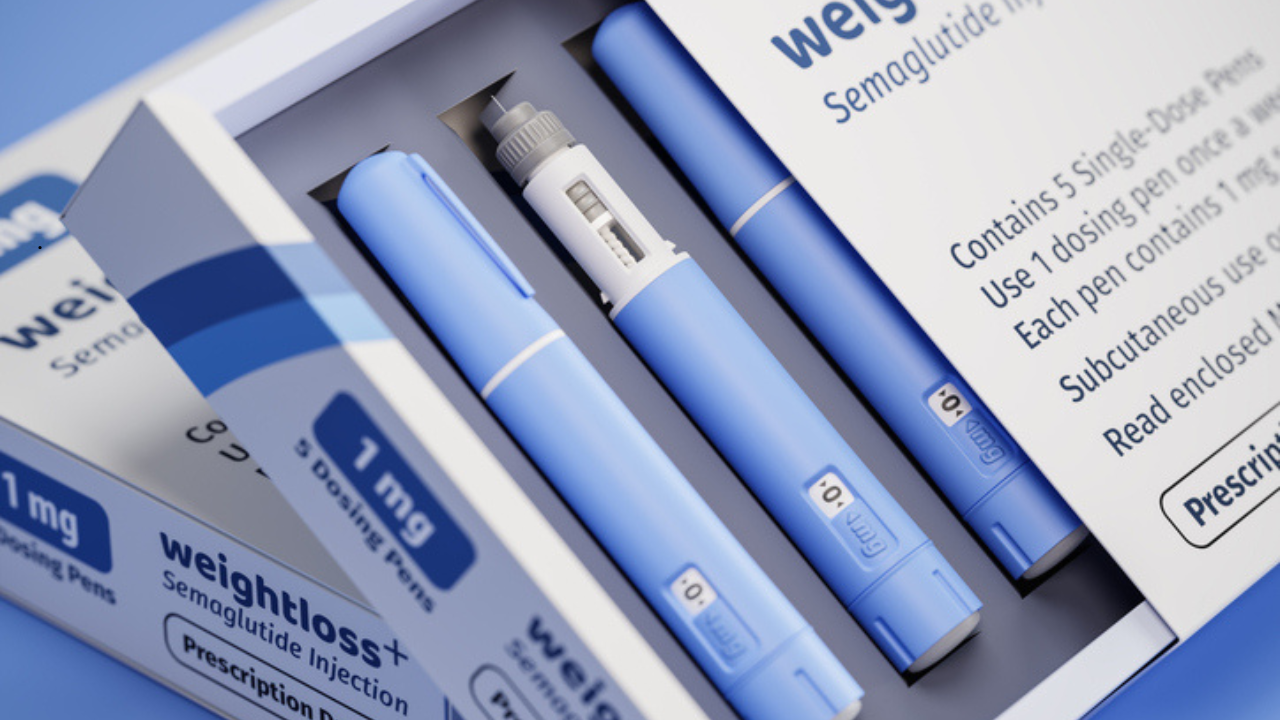
Wegovy and Ozempic will cost less by January 1 of 2027 as manufacturer Novo Nordisk announced that the prices will be cut in half. The manufacturer said that the popular GLP-1 weight loss drugs will be as much as 50 per cent. Wegovy and Ozempic Will Cost Less In 2027: How Cheap Can You Get Your Weight Loss Drugs For?The list price of Wegovy injections and the new Wegovy pill will be cut in halfOzempic injections will be cut by 35 per centThe manufacturer noted that this cut applies to all doses and the semaglutide tablet Rybelsus will now cost $675 a month. Rybelsus has been approved by the US Food and Drug Administration (FDA) to reduce the risk of heart attacks in those with diabetes.Read: Doctor Explains Why Weight Loss Drugs Like Ozempic Are Truly A Medical BreakthroughIn a statement to PEOPLE, Jamey Millar, Executive Vice President, US Operations of Novo Nordisk Inc. said, "There are more than 100 million people living with obesity and over 35 million with type 2 diabetes and, for some, list price has been a real barrier to access and affordability."Wegovy and Ozempic Will Cost Less In 2027: What Are The Current Price?Wegovy injections and pills currently cost $1,349.02 a month, whereas Ozempic and Rybelus cost $1,027.51. These figures have been emailed to PEOPLE by Novo Nordisk.Read: GLP-1 Drugs Don’t Just Curb Appetite; They Rewire the Brain, Shows StudyPeople with commercial insurance pay $25 a month, whereas those using cash pay between $149 to $499. Patients on Medicare will pay $274 per month. Wegovy and Ozempic Will Cost Less In 2027: How Do GLP-1 Weight Loss Drugs Work? GLP-1 drugs mimic the action of the natural hormone GLP-1 to regulate blood sugar and promote weight loss. They work by increasing insulin release in a glucose-dependent manner, decreasing the liver's production of glucagon, and slowing down the emptying of the stomach, which helps lower blood sugar levels after a meal. They also act on the brain to suppress appetite and increase feelings of fullness, leading to reduced calorie intake.Read: Zepbound Outperforms Other Weight Loss Drugs, More Details InsideIn people with type 2 diabetes, notes Harvard Health, the body's cells are resistant to the effects of insulin and body does not produce enough insulin, or both. This is when GLP-1 agonists stimulate pancreas to release insulin and suppress the release of another hormone called glucagon.These drugs also act in the brain to reduce hunger and act on the stomach to delay emptying, so you feel full for a longer time. These effects can lead to weight loss, which can be an important part of managing diabetes.In September 2025, WHO added GLP-1 drugs to its list of essential medicines, but only for treating diabetes, not for obesity alone. The new guideline extends that conversation, offering a more formal stance on their use in obesity management. The recommendations were developed by a committee of experts in obesity, pharmacology, and public health, following requests from several WHO member states. They also align with approvals already granted by regulators like the US FDA.