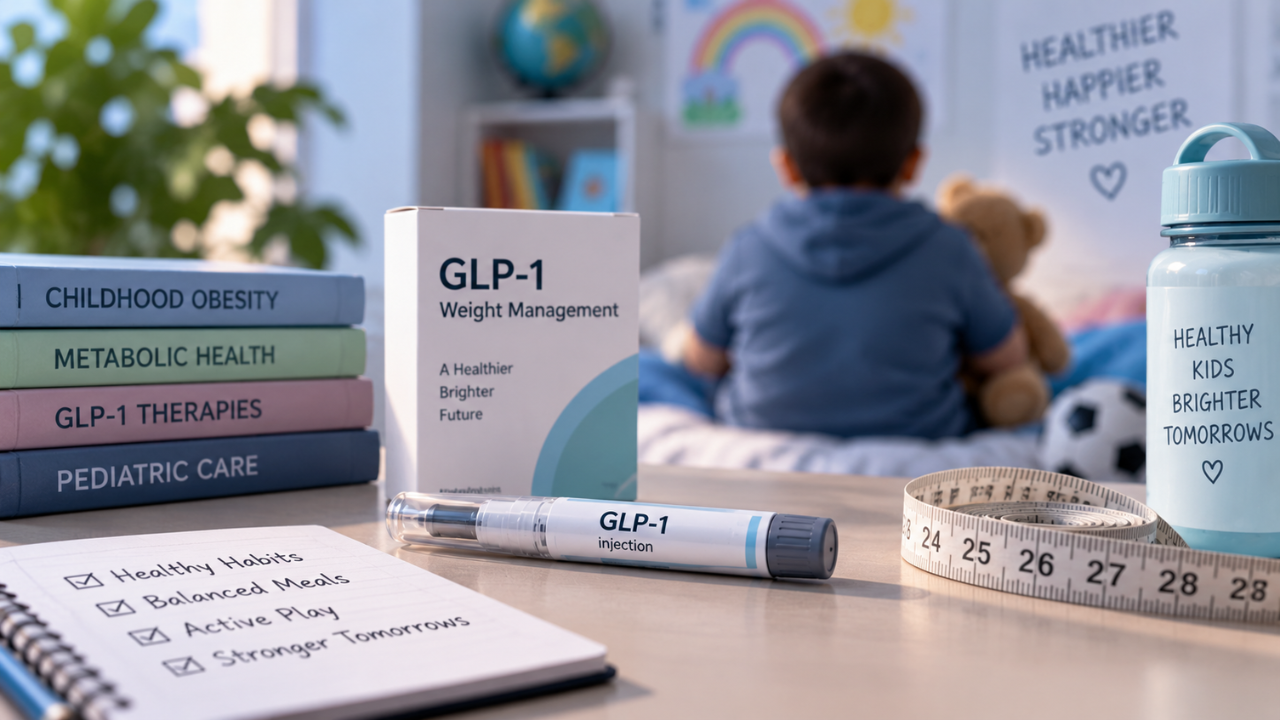
The use of GLP-1 medications weight-loss medications among children under 12 in the US has risen in recent years, according to a new study. This has raised questions about how these drugs should be used in younger children and what is known about their long-term effects.Researchers studied health records from more than 3.5 million children aged 8 to 11 with obesity and found that prescriptions for GLP-1 medications increased more than 300-fold between 2019 and June 2026. Prescriptions Have Increased DramaticallyIn 2019, only about 0.03% of children in the study group had been prescribed a GLP-1 drug. By June 2026, that figure had risen to 9.3%. The medications included drugs like Wegovy and Saxenda, made by Novo Nordisk, and Eli Lilly's Zepbound.The researchers used data from Epic Cosmos, a large electronic health-record database covering patients across the US. Epic was not involved in the study.Also read: The New Nutrition Gap: Why Knowing What To Eat Doesn't Mean We Actually Eat It Most Children Had Severe Obesity Or Other Health ProblemsThe rise does not appear to represent routine prescribing for children who are simply above a healthy weight.Among children receiving GLP-1 medications, 94% had severe obesity, while about 65% had obesity-related health conditions, including high blood pressure or sleep apnea. Childhood obesity can increase the risk of metabolic and cardiovascular problems. Hence, along with lifestyle changes, doctors are increasingly looking for treatments.GLP-1 Drugs Are Not FDA-Approved For Under-12sOne of the major concerns surrounding the findings is that the GLP-1 medications included in the study are not formally FDA-approved for weight management in children younger than 12.However, doctors can prescribe medicines off-label when they believe there is a medical reason to do so. Clinical guidelines can also support the use of obesity medications in certain circumstances involving younger children.The study therefore does not necessarily mean that doctors are prescribing these drugs indiscriminately. Instead, it shows how rapidly their use has expanded among children with obesity.Also read: The Postpartum Nutrition Gap: Why New Mothers Often Neglect Their Own Health After Delivery Long-Term Safety Dr Babak Orandi of NYU Langone Health, one of the researchers, highlighted the importance of long-term monitoring as these medications become more widely used in younger children. He said that while the absolute numbers of children under 12 receiving GLP-1 treatment is still low, the study shows that GLP-1 use is accelerating rapidly among that age group. Orandi also said that long-term safety monitoring is needed to ensure the drugs remain safe and effective for children.Additionally, children from higher-income households were 55% more likely to be prescribed the drugs than lower-income communities. This suggested emerging disparities in access, according to the study published in the journal Pediatrics."Physicians and health policymakers alike have a responsibility to ensure ... these valuable and sometimes costly treatments become available to more than those who have access to health insurance and can afford to visit pediatric clinics," said Allan Massie, co-author of the study and associate professor of surgery at NYU Grossman School of Medicine.So even if these medicines prove to be useful for treating severe childhood obesity, access may depend partly on a family's ability to obtain the medicine, insurance coverage and treatment.GLP-1 drugs can cause side effects like nausea, vomiting, diarrhoea and constipation. But questions around prolonged use during childhood extend beyond short-term side effects, including how treatment may affect growth, development and nutritional health over time.