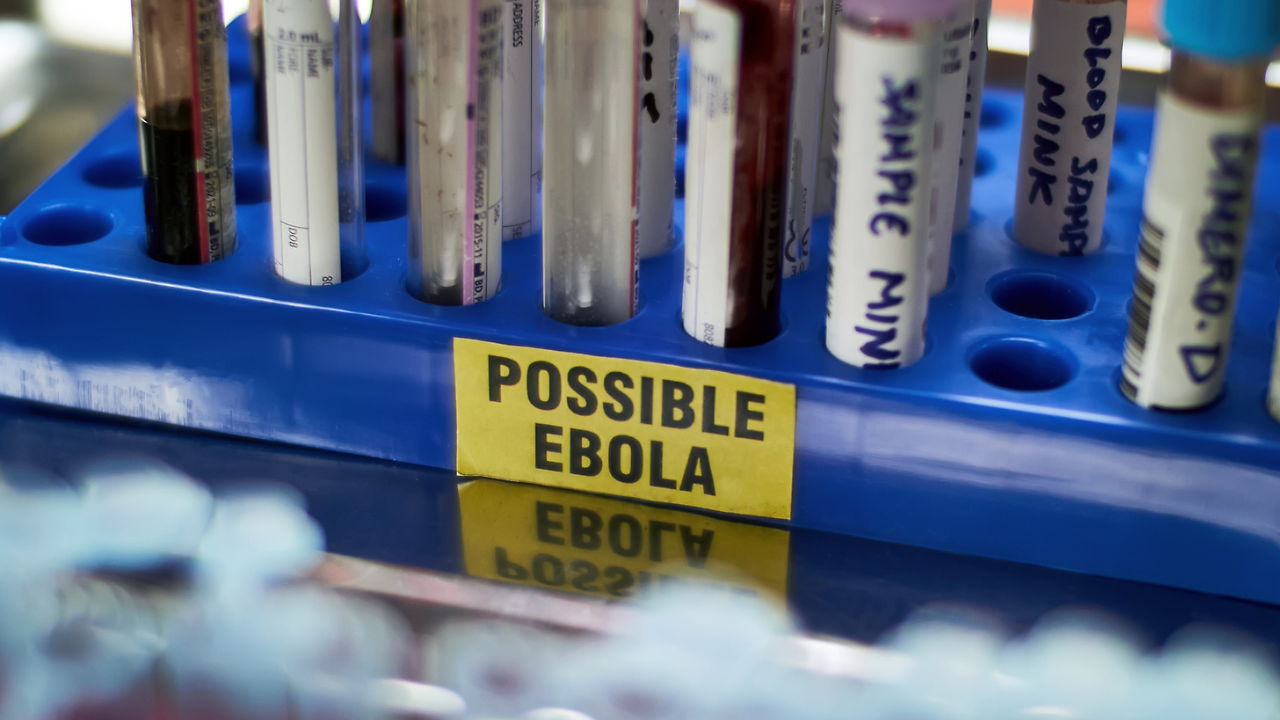
The Ebola outbreak in the Democratic Republic of Congo (DRC) has surpassed 9,000 confirmed cases and 4,300 deaths, making it the deadliest outbreak in the country's history. Meanwhile, Kenya has reported no new infections after testing 293 samples following its first confirmed case linked to the outbreak.According to data released by Congo's public health institute on October 13, the country has recorded 9,066 confirmed Ebola cases and 4,381 deaths. Health authorities continue to struggle to contain transmission across multiple hotspots in the country. The outbreak, declared in May 2026, is caused by the Bundibugyo strain of the Ebola virus, which has no approved vaccine or specific treatment yet. The epidemic has surpassed Congo's previous worst outbreak, which occurred between 2018 and 2020.The outbreak is now the second-largest Ebola epidemic globally, after the 2014-2016 West African outbreak, which infected more than 28,600 people and killed over 11,000 across Guinea, Liberia and Sierra Leone.Kenya Reports No New Cases Kenya confirmed its first imported case of Ebola on October 6, after a Kenyan national who had travelled from Congo through Uganda died in Nairobi on October 5.According to Health Minister Aden Duale, the patient fell ill about a month ago and was treated at several hospitals in the DRC before traveling to Nairobi. The patient died days after arriving in the Kenyan capital, according to Reuters.Kenyan health authorities have placed the country on high alert and are monitoring for possible additional cases. At least 28 contacts, including family members and healthcare workers who cared for the patient, have been identified.The country's Ministry of Health said on October 11 that 293 samples had been tested since the patient's death and no new infections were detected. The tests covered 289 alerts and only the initial confirmed case tested positive.Authorities have continued contact tracing and monitoring people who may have been exposed to the virus. Kenya is also strengthening surveillance and public health measures to prevent further transmission.Also read: Congo Ebola Cases Top 8,000; Deaths Near 4,000 As Treatment Delays Remain A ConcernA Challenging Outbreak The spread of Ebola has been difficult to contain amid Congo's fragile healthcare infrastructure, insecurity, population movement and challenges in implementing response measures. Health officials are also concerned about transmission in communities outside treatment centres.The outbreak has affected multiple provinces in eastern Congo, raising concerns about further international spread. Uganda previously reported cases linked to the epidemic but was declared Ebola-free in August.Although Kenya's latest testing results offer some reassurance, authorities continue to monitor high-risk contacts. What Is Bundibugyo Virus Disease?READ: Can Obeldesivir Prevent Ebola Symptoms After Exposure? Drug Trial Moves Forward As Death Toll Crosses 4,000Bundibugyo virus disease is a rare and deadly illness that has caused outbreaks in several African countries in the past.It is distinctly different from other known ebolaviruses like the Zaire ebolavirus or Sudan ebolavirus. The 2007 outbreak, where Bundibugyo was detected for the first time, resulted in over 100 cases and was officially declared over in early 2008.According to the US CDC, the Bundibugyo strain is spread by contact with the blood or body fluids of a person who is infected with or has died from BVD.It is also spread by contact with contaminated objects (such as clothing, bedding, needles, and medical equipment), or by contact with animals, such as bats and nonhuman primates, that are infected with BVD.Symptoms include fever, headache, muscle pain, weakness, diarrhea, vomiting, stomach pain, and unexplained bleeding or bruising (a late stage of illness).