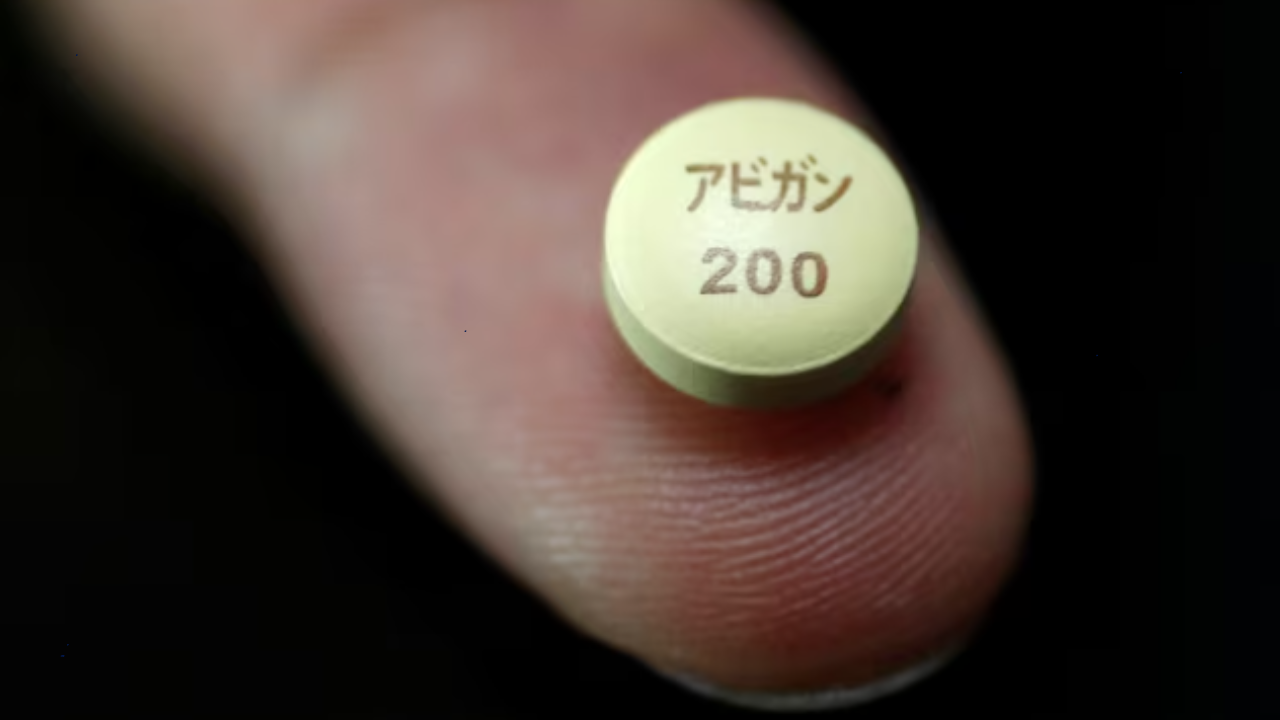
Amid the scare of hantavirus led by a rare strain that causes human-to-human transmission, the UK government has received supplies of the antiviral drug Favipiravir from Japan to tackle the risk of the rat-borne disease in the country.The antiviral favipiravir, from the Japanese company Fujifilm, that gained fame during the COVID-19 pandemic, is being considered as an experimental option to treat the deadly hantavirus outbreak linked to the MV Hondius cruise liner. To date, the medication has been tested as an emergency treatment for new or re-emerging flu.The UK Health Security Agency said that “the supplies of favipiravir would bolster treatment stocks, even though the risk of wider transmission in the UK remained very low”.The hantavirus outbreak that began on MV Hondius has so far caused three deaths and 11 cases.There is no specific therapy for hantavirus, which is primarily spread by rodents but can be transmitted between people in rare cases and after prolonged, close contact. Treatment usually focuses on supportive care such as rest and fluids, while some patients may need breathing support.Favipiravir’s Role In Viral TreatmentIn Japan, favipiravir is sold under the brand name Avigan by a unit of Fujifilm as an emergency medication for novel or re-emerging flu.The drug works by blocking a key enzyme that many viruses need to multiply.Use of favipiravir in hantavirus would generally be considered experimental or compassionate rather than standard care, and most likely to treat severe infection early on, said Piet Maes, a virologist at the University of Brussels, Reuters News Agency reported.Maes said evidence so far comes only from lab and animal studies, with no strong human trial data showing the drug works against hantavirus. There is no internationally established clinical protocol recommending its routine use for hantavirus.What Is Favipiravir?Favipiravir is a broad-spectrum antiviral medication, most notably produced and marketed in India by Glenmark Pharmaceuticals under the brand name FabiFlu. First approved in Japan for severe influenza, it became widely recognized for emergency use in the treatment of mild-to-moderate COVID-19 to help rapidly reduce viral load.How Effective Has Favipiravir Been?Favipiravir has remained controversial due to several side effects reported during the COVID-19 pandemic.In 2023, in a rare complication from treatment with the COVID-19 antiviral, the eyes of a six-month-old baby boy from Thailand turned an unusual shade of blue.According to researchers from Chulabhorn Royal Academy in Bangkok, the boy, who suffered fever and cough lasting one day, was diagnosed with COVID infection.In a prior investigation, a higher frequency of uric acid elevation in younger patients treated with favipiravir was observed, which could be linked to decreased urine output.In addition, favipiravir has also been shown to cause fluorescence in human hair and nails. This adverse effect may be due to the drug, its metabolites, or additional tablet components such as titanium dioxide and yellow ferric oxide.