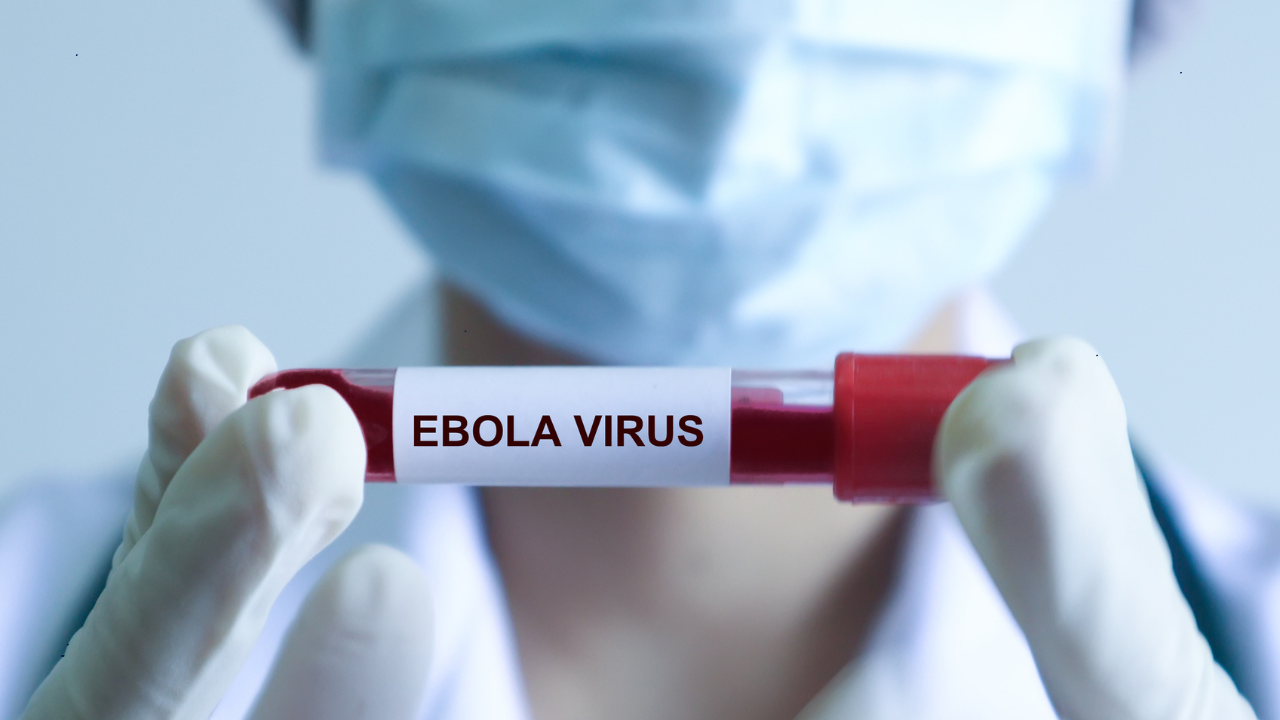
The World Health Organization today declared the Ebola outbreak in the Democratic Republic of the Congo and Uganda a “public health emergency of international concern” (PHEIC), citing the risk of spread to neighboring countries.The WHO defines a Public Health Emergency as an extraordinary event or crisis that poses a substantial risk of widespread illness, injury, or death to a population, such as pandemics, severe pollution events, or natural disasters. However, the WHO clarified that the outbreak, caused by the Bundibugyo virus, does not meet the criteria for a pandemic emergency. Countries sharing land borders with the DRC were described as being at high risk for further spread. “The Ebola disease caused by Bundibugyo virus in the Democratic Republic of the Congo and Uganda constitutes a public health emergency of international concern (PHEIC), but does not meet the criteria of pandemic emergency, as defined in the International Health Regulations (2005) (IHR),” the WHO said in a statement. Ebola Outbreak: Cases And Deaths The UN health agency said the outbreak has caused 80 deaths, with eight laboratory-confirmed cases and 246 suspected Ebola cases reported in Ituri Province in the DR Congo, across Bunia, Rwampara, and Mongbwalu. In addition, two laboratory-confirmed cases — including one death — with no apparent link to each other were reported in Kampala, Uganda, within 24 hours of each other, indicating international spread. Both individuals had travelled separately from the DR Congo. A laboratory-confirmed case has also been reported in Kinshasa, DR Congo, involving a person returning from Ituri. The WHO further noted unusual clusters of community deaths and said the outbreak poses a public health risk to other countries through international spread, which has already been documented. Also read: World Hypertension Day 2026: Why Switching Salt May Be India’s Simplest Weapon Against High Blood PressureWhat Is Bundibugyo Virus Disease? Bundibugyo virus disease is a rare and deadly illness that has caused outbreaks in several African countries in the past. It is different from other known ebolaviruses such as the Zaire ebolavirus and Sudan ebolavirus. The virus was first identified during an outbreak in 2007, which resulted in more than 100 cases before being declared over in early 2008. The WHO described the current outbreak as “extraordinary” because there are no approved Bundibugyo virus-specific therapeutics or vaccines, unlike the Ebola-Zaire strain. Most of the country’s previous outbreaks were caused by the Zaire strain. How The Virus Spreads According to US Centers for Disease Control and Prevention (CDC), the Bundibugyo strain spreads through contact with the blood or body fluids of infected individuals or people who have died from the disease. Transmission can also occur through contact with contaminated objects such as clothing, bedding, needles, and medical equipment, or through infected animals including bats and nonhuman primates. Symptoms include fever, headache, muscle pain, weakness, diarrhea, vomiting, stomach pain, and unexplained bleeding or bruising in the later stages of illness. Read More: Can Hantavirus Spread Through Semen And Breast Milk? What Experts SayWHO Issues Guidelines The WHO advised immediate isolation of confirmed cases and daily monitoring of contacts. It also recommended restricting national travel for exposed individuals and avoiding international travel until 21 days after exposure. At the same time, the agency urged countries not to close borders or restrict travel and trade out of fear, warning that such measures could lead to unmonitored informal border crossings.