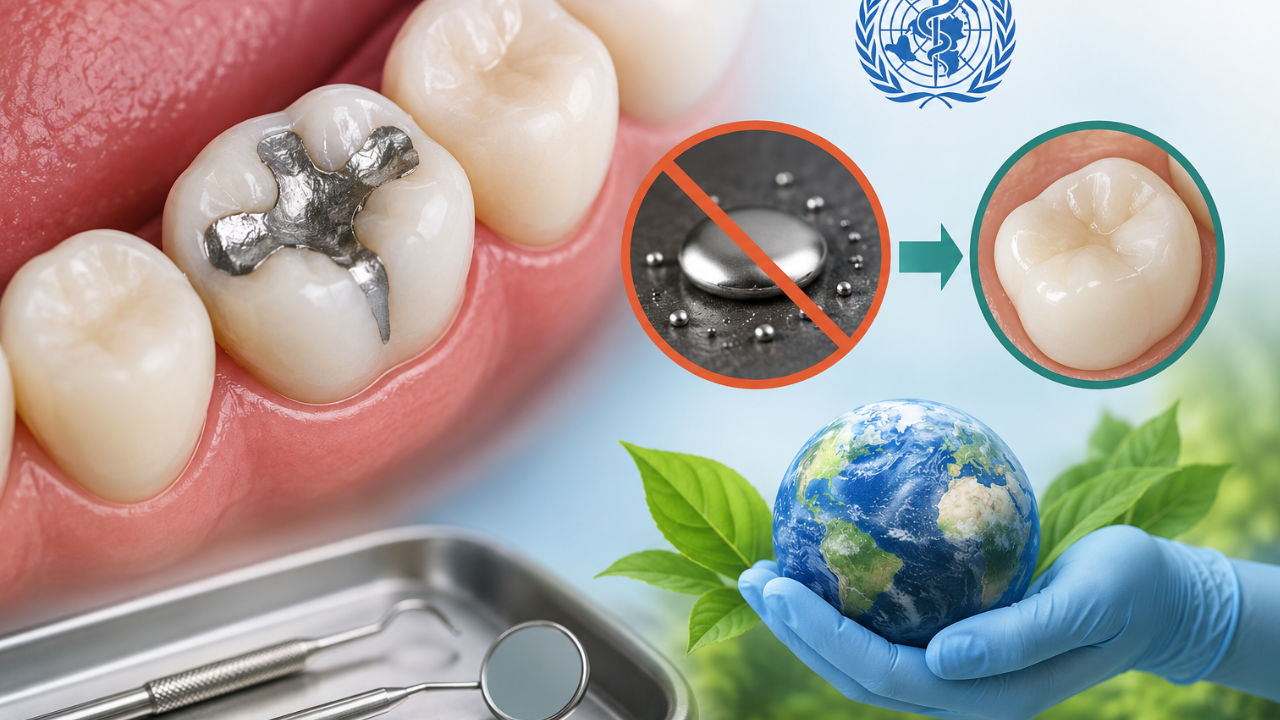
The World Health Organization (WHO) Southeast Asia is actively attempting to phase out mercury-infused dental fillings. The move comes as a way to help countries gradually replace them with mercury-free alternatives, citing environmental concerns and long-term public health goals. WHO Southeast Asia Wants To Phase Out Mercury-Infused Dental Fillings Commonly known as dental amalgam or silver fillings, mercury-containing dental fillings have been used by dentists for more than 150 years as they are durable, affordable, and effective. In partnership with the United Nations Environment Programme (UNEP), WHO Southeast Asia continues to implement a project, running from 2023 to 2026, in order to help countries phase down the use of dental amalgam while improving the management of mercury-containing waste generated by dental clinics. The initiative supports commitments made under the Minamata Convention on Mercury - a global treaty aimed at reducing mercury pollution. “Dental amalgam has served dentistry well for decades, but we now have an opportunity to transition towards safer and more environmentally sustainable alternatives,” WHO South-East Asia said while announcing the regional initiative. The agency noted that the goal is not only to reduce mercury use in dentistry but also to strengthen mercury waste management systems.Also read: How Diabetes Increases The Risk Of Gum Disease? Key Signs and Prevention Tips Goal Behind The Initiative Dental amalgam, one of the most commonly used fillings, is a mixture of metals that contains about 50% elemental mercury. Although major health authorities, including WHO and many national dental organizations, maintain that amalgam fillings are generally safe for most people; mercury remains a toxic substance that can accumulate in the environment. Small amounts of mercury may be released during the placement, removal, or disposal of fillings, eventually entering water bodies and the food chain if not managed with care. The WHO states that mercury is one of the chemicals of major public health concern because of its harmful effects on the nervous, digestive and immune systems, particularly among unborn babies and young children. The global strategy focuses on reducing future use rather than encouraging people to remove restorations that are already functioning well. Alternatives To Mercury-Based Fillings Modern tooth-coloured composite resins, glass ionomer cements and other mercury-free materials are increasingly replacing dental amalgam across the world. Besides being aesthetically preferable, these materials are also environmentally friendly. But composite fillings can be more expensive, warrant greater technical expertise, and may not always be suitable in every situation. This is why WHO is promoting a phased approach, allowing countries to strengthen dental services, train oral care professionals and improve access to affordable alternatives before completely eliminating mercury-containing fillings from dentistry. The WHO Southeast Asia initiative aligns with the Minamata Convention, under which countries recently agreed to phase out dental amalgam globally by 2034. For patients, experts stress there is no need to replace existing amalgam fillings solely because they contain mercury if they remain intact and functional. Instead, the focus is on ensuring that future dental care becomes completely mercury-free to protect public health and the environment.