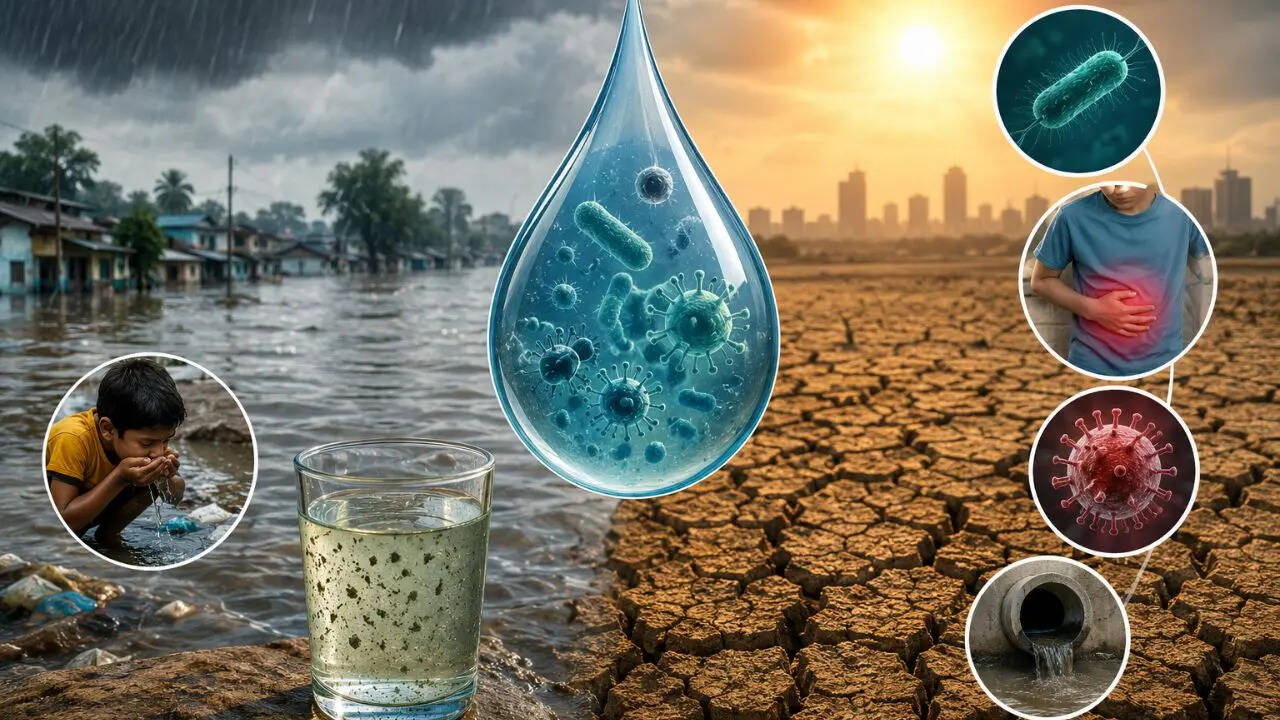
A new study suggests that rising temperatures, floods and droughts could affect the predictability and frequency of waterborne disease outbreaks. Climate change can alter the traditional patterns of disease transmission in ways that are more complex than previously understood. Researchers state that public health systems can no longer rely on existing weather-disease relationships, as global warming has significantly changed the environmental conditions and their influence how pathogens survive, spread and infect people. Effect Of Climate Change On Waterborne DiseasesThe review says that increasing temperatures, extreme rainfall, prolonged droughts and flooding do not simply increase disease risk. Instead, they can alter the timing, intensity and location of outbreaks, making them less predictable. "Climate change is resetting many of the environmental conditions that determine when and where waterborne diseases emerge," the researchers noted, emphasizing that disease surveillance systems must evolve to keep pace with these changing dynamics.According to the researchers, several climate-related factors work together to increase the likelihood of contaminated water and disease transmission.Also read: Cholera Outbreak In Sudan: 117 Dead, 838 Suspected Cases, Says WHO Higher Temperatures Warmer water allows bacteria, viruses and parasites to multiply more rapidly. Pathogens such as Vibrio cholerae, which causes cholera, thrive in warmer aquatic environments. Heavy Rainfall And Floods Extreme rainfall can overwhelm sewage systems and contaminate drinking water with human and animal waste. Floodwaters also spread pathogens into rivers, lakes and groundwater supplies. Drought Although drought reduces water availability, it can also increase disease risk. Limited water supplies often become more concentrated with pathogens, while communities may be forced to use unsafe water sources. Poor Sanitation After Climate DisastersStorms, cyclones and floods frequently damage sanitation infrastructure, creating conditions where waterborne infections can spread rapidly. These factors interact in different ways depending on geography, infrastructure and local climate, making future outbreaks increasingly difficult to forecast. Also read: How To Spot Leptospirosis, Dengue, Malaria During Monsoons? Early Symptoms Not To NeglectWhat Diseases Are Likely To Be Affected By Climate Change? Researchers say climate-sensitive waterborne illnesses include: CholeraAcute diarrheal diseasesTyphoid feverHepatitis AGastroenteritisOther bacterial and parasitic infections spread through contaminated waterChildren, older adults and people living in regions with limited access to safe drinking water and sanitation are expected to face the greatest risks.What Do Experts Recommend? The researchers stress that instead of reacting to outbreaks the governments should strengthen climate-friendly public health systems. The key recommendations include: Expanding water quality monitoringImproving disease surveillanceInvesting in resilient water and sanitation infrastructureDeveloping climate-informed early warning systemsStrengthening emergency preparedness for floods and droughtsResearchers say that understanding the evolving relationship between climate and infectious diseases will be essential to protecting communities across the world as global temperatures continue to rise.Climate change is increasingly being recognized as a major public health threat, extending beyond heatwaves and air pollution to affecting patterns of infectious diseases. The new review suggests that future waterborne disease outbreaks may not simply become more frequent but also less predictable, requiring health systems to adapt quickly to a changing climate. As extreme weather events become more common worldwide, researchers warn that protecting safe water supplies and strengthening surveillance will be critical to reducing the growing burden of waterborne diseases.