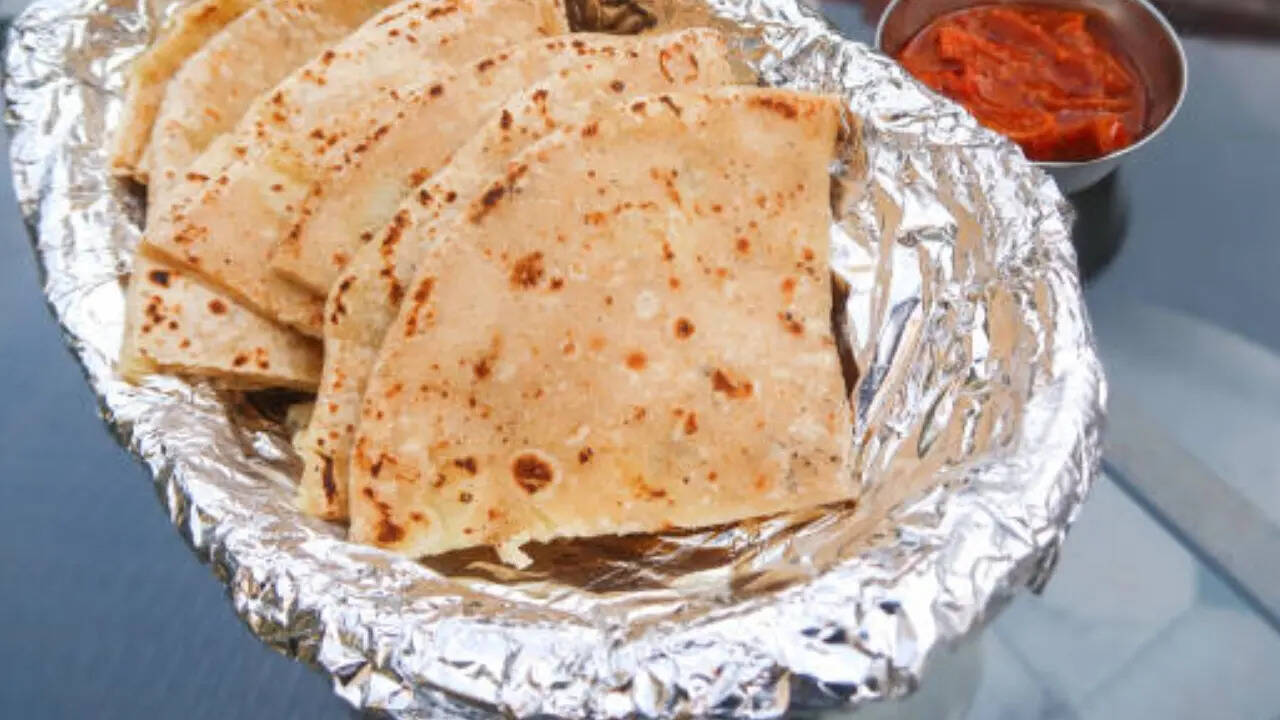
People use aluminium foil as a common cooking tool and food storage solution, which studies show to be safe for most people when used occasionally. The proper method of use determines whether it functions as the best solution for storing food over extended periods. People can store dry, uncooked items in foil because it creates fewer safety risks than keeping reactive foods for extended periods. Ms Aditi Prasad Apte, Senior Clinical Nutritionist at Aster RV Hospital, Bangalore, in an interview with Health and Me, spoke about the dangers of storing food in aluminium foil. The expert also shared alternatives that are safer and can be helpful.What happens when you store food in aluminium foil?People who eat food processed with aluminium may ingest small amounts of aluminium through their meals. The likelihood of this occurrence increases when particular conditions exist, which include using food that contains heat, acid, salt, or strong spices. These include tomatoes, citrus, vinegar, and strongly flavoured foods. Heat increases the transfer, which means that wrapping hot food directly in foil produces higher transfer rates than covering leftovers for short periods. One should understand that storing hot food in foil can create food safety issues because of aluminium contamination.How does storing food in aluminium foil affect the kidneys?The use of foil creates an incomplete airtight seal, which results in insufficient cooling and creates unsafe storage conditions when food remains at dangerous temperatures for extended periods. The health risks connected to long-term excessive aluminium exposure have remained a topic of scientific discussion for many years. The bodies of healthy people process and remove aluminium consumed through food mainly via the kidneys.People who have kidney problems must handle aluminium exposure with special caution. Research has studied the links between high aluminium exposure and neurological and bone problems, but has found no proof that using foil for daily activities leads to these medical issues. The larger issue requires people to take steps to reduce their exposure to unnecessary risks whenever possible.Are there any safer alternatives?Safer alternatives for routine storage include glass containers, stainless steel containers, ceramic storage, and food-grade silicone options. These products provide specific benefits for storing hot leftovers, acidic foods, and items that need to be kept in refrigerators for extended periods. Parchment paper may also be a better barrier than foil in some cooking situations.There are also several myths worth clarifying. Some people believe that aluminium foil contains harmful substances that make it unsafe to use. Normal, occasional use is not the same as dangerous exposure. Another myth is that foil always reacts with food; in reality, reaction risk depends heavily on the type of food, temperature, and duration of contact.The fact is that foil works better for wrapping food and providing temporary coverage than it does as a standard storage method. The best approach requires people to use aluminium foil appropriately in cooking situations. People should not store acidic or hot food in foil for extended periods, and they should not consume food that has come into contact with damaged foil. The safest approach for regular home use is to use foil only when necessary, while understanding which materials work better in specific situations.