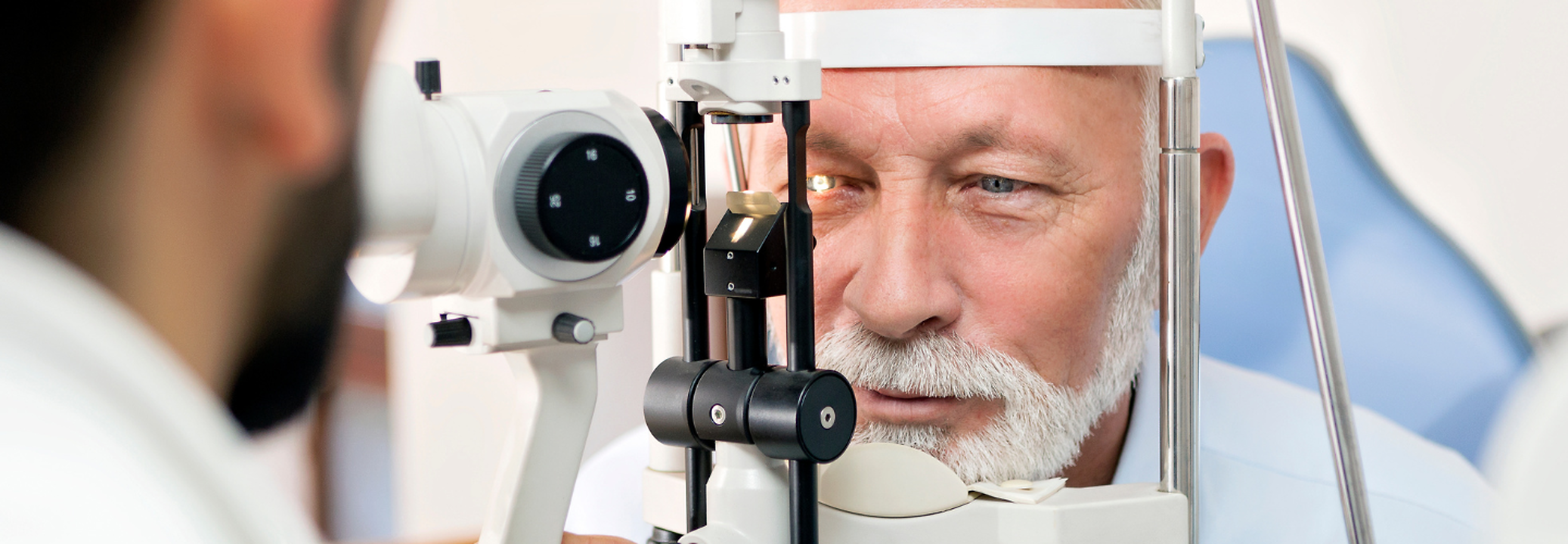
Losing your eyesight with age is a normal thing, as we age our eyesight becomes weaker as do our muscles, but there are some things that can make them worse! Many people maintain good eyesight even in their old age due to their discipline and strength. While many people avoid taking any precautions or think long term when it comes to their health, people who do, enjoy great vision despite their old age. Vision loss is a common concern among older adults, but it can be prevented or delayed with proper care and preventive measures. By following these 10 tips, you can significantly reduce your risk of vision problems and maintain healthy eyesight as you age. Regular eye exams, a healthy lifestyle, and protecting your eyes from harmful factors are essential for preserving your vision and enjoying a better quality of life. Tips To Help Your VisionThere are many ways you can assess your eye health and make sure there are no surprises later on. Your diet, how you treat your eyes and your cleanliness plays a huge role in it. Regular Eye ExamsAnnual comprehensive eye exams are crucial for early detection and prevention of vision problems in the elderly. An ophthalmologist can identify and address potential issues such as cataracts, glaucoma, macular degeneration, and diabetic retinopathy. Early diagnosis and treatment can significantly improve outcomes and prevent further vision loss. Maintaining Healthy LifestyleMaintaining a healthy lifestyle is essential for overall eye health. A balanced diet rich in fruits, vegetables, and whole grains provides essential nutrients that support eye function. Regular exercise improves blood circulation and reduces the risk of eye diseases. Additionally, avoiding smoking and excessive alcohol consumption can help protect your eyes from damage. Protect Your Eyes from UV RaysExposure to ultraviolet (UV) radiation can contribute to cataracts and macular degeneration. Wearing sunglasses with UV protection, even on cloudy days, is essential to shield your eyes from harmful rays. UV-blocking lenses can help prevent damage to the cornea, lens, and retina. Manage Chronic ConditionsChronic conditions like diabetes, high blood pressure, and autoimmune diseases can have a significant impact on eye health. Effective management of these conditions is crucial to prevent vision problems. Regular monitoring and treatment can help reduce the risk of complications such as diabetic retinopathy and glaucoma. Avoid Eye StrainExcessive screen time and poor lighting can lead to eye strain, which can cause blurred vision, headaches, and fatigue. Taking regular breaks from screens and ensuring adequate lighting in your workspace can help prevent eye strain. The 20-20-20 rule is a simple technique: every 20 minutes, look away from your screen at an object 20 feet away for 20 seconds. Use Proper LightingSufficient lighting is essential for clear vision and reduced eye strain. Use bright, even lighting in your home and workplace. Avoid glare from overhead lights by using task lighting for reading and other activities. Limit Alcohol and TobaccoExcessive alcohol consumption and tobacco use can increase the risk of eye problems, including cataracts, glaucoma, and macular degeneration. Moderation is key, and quitting smoking altogether is the best way to protect your eye health. Get Enough SleepQuality sleep is essential for overall health, including eye health. Aim for 7-9 hours of sleep each night to allow your eyes to rest and recover. Lack of sleep can contribute to eye strain, dry eyes, and other vision problems. Be Aware of MedicationsSome medications can have side effects that affect vision. If you notice any changes in your vision after starting a new medication, inform your doctor immediately. They can assess the situation and recommend appropriate adjustments. Know Your Family HistoryA family history of eye diseases can increase your risk of developing similar conditions. If you have a family member with conditions like glaucoma or cataracts, be vigilant about getting regular eye exams. Early detection and treatment can help prevent vision loss.