
- Health Conditions A-Z
- Health & Wellness
- Nutrition
- Fitness
- Health News
- Ayurveda
- Videos
- Medicine A-Z
- Parenting
4 In 10 Indians Have Fatty Liver Disease, Reveals A Lancet Report
Credits: iStock
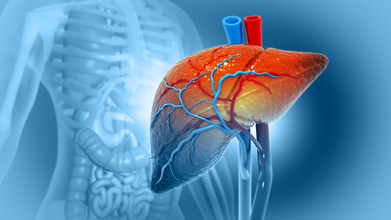
A new Lancet study titled Burden of MASLD and liver fibrosis: evidence from the Phenome India cohort published in The Lancet Regional Health - South Asia found that nearly four in 10 Indian adults have fatty liver or what scientifically is known as the metabolic dysfunction-associated steatotic liver disease (MASLD), formerly non as NAFLD or non-alcoholic fatty liver disease.
The study also highlights a more worrying condition that a sizeable proportion of the Indian population already show signs of liver fibrosis. This is an early scarring process that could lead to cirrhosis or liver cancer if left unchecked.
Lancet Study: How Was It Conducted?
The study analyzed data from more than 7,700 adults across 27 cities in India. The study found that 38.9 per cent of participants had MASLD. The authors also noted that this figure is similar to the global estimates, however, is deeply concerning for India's population and size of the country, including the ever-rising burden of diabetes and obesity.
The study also found that 6.3 per cent of people who live with MASLD had significant liver fibrosis, as compared to 1.7 per cent of those without fatty liver.
Read: Indians Are At Most Risk Of Having Fatty Liver Disease, According To Doctor
The study also found that 2.4 per cent of the entire population analyzed showed evidence of significant fibrosis. Why is this concerning? Fibrosis is a strong predicator of future complications. With the advancement of scarring, liver failure, cirrhosis, and liver caser risk also rises.
Lancet Study: Who Are At Risk?
The study found that people with obesity, diabetes, and central or abdominal fat were more likely to have MASLD. Obesity also was seen as the strongest risk factor, with likelihood rising steeply from overweight to severe obesity.
Another factor was also age. Liver fibrosis was seen in adults over the age of 60 years and in people with diabetes, among whom nearly one in ten showed fibrotic changes.
The study also showed that there was a presence of "Lean MASLD", which means it could also happen in people who are not overweight and have a normal body mass index. This is often linked to insulin resistance and visceral fat, which is the fat around internal organs. This tend to accumulate abdominal fat even at lower body weights.
Lancet Study: Can MASLD And Other Liver Diseases Be Prevented?
As per the authors of the study, MASLD is highly modifiable, especially at early stages. There are evidence that show that weight loss reduces liver fat and inflammation. Regular physical activity also improves insulin sensitivity, along with balanced diet. The diet must be consumed without or with very low sugar and ultra-processed food, which helps in control of diabetes and cholesterol and slows down disease progression.
Authors also noted that people should get their fatty liver disease scanned regularly. Especially because MASLD is common among people with obesity and diabetes. There are many non-aggressive tools that could also detect fibrosis early.
Have Hernia Surgeries Become Less Painful?

Robotic hernia surgery is less invasive. (Photo credit: iStock)
The bulge that appears when an internal organ pushes through a weakened muscle wall will not recede with rest or medication—it will, in most cases, grow larger and more uncomfortable over time. Surgery is the only definitive treatment. What has changed significantly in recent years is what that surgery looks like and what recovery from it requires.
Dr Rajesh Sharma, Director – General Surgery, Minimal Access & Bariatric Surgery, CK Birla Hospitals, Jaipur, in an interview with Health and Me, spoke about the introduction of robotics in hernia treatment and how it can benefit patients.
How hernia surgeries are becoming less painful
With advances in surgical technology, minimally invasive approaches have significantly improved patient outcomes. One of the most important developments in recent years is robotic-assisted hernia surgery using the da Vinci Surgical System. In robotic surgery, the surgeon operates from a console equipped with a high-definition, three-dimensional, magnified view of the surgical field. The robotic system translates the surgeon’s hand movements into extremely precise movements of miniaturised instruments inserted through small incisions. The system also filters natural hand tremors and provides a greater range of motion than the human wrist, enabling meticulous dissection and suturing.
For hernia repair, these capabilities allow surgeons to perform delicate steps such as accurate defect closure and optimal mesh placement, which are important for the long-term durability of the repair.
Benefits for patients
Robotic hernia repair offers several advantages for patients:
- Smaller incisions and minimal scarring
- Reduced postoperative pain
- Lower risk of wound complications
- Shorter hospital stay
- Faster return to normal activities
Because the procedure is minimally invasive, most patients experience earlier mobilisation and quicker overall recovery compared with traditional open surgery. Robotic surgery is particularly useful in complex, recurrent, or large ventral hernias, where precise reconstruction of the abdominal wall is important. While not every hernia requires a robotic approach, the technology expands the surgeon’s ability to perform advanced minimally invasive repairs with improved ergonomics and visualisation.
The future of hernia surgery
The integration of robotic platforms such as the da Vinci system represents a major step forward in modern general surgery. By combining surgical precision with minimally invasive techniques, robotic hernia repair aims to enhance patient comfort, improve recovery, and deliver durable surgical outcomes.
How Liver Disease Affects The Heart
Credit: iStock
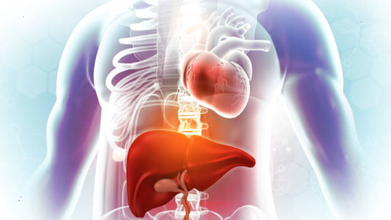
The liver and heart are two of the most vital organs of the body, and although they perform very different functions, they are closely connected. When the liver is not functioning properly, it can place significant stress on the heart and circulatory system of the body.
Liver disease not only affects the digestion process, metabolism, and detoxification but can also trigger serious cardiovascular changes that may go unnoticed in the early stages. Understanding this particular connection is significant for timely diagnosis and better overall care.
The Liver-Heart Connection
The liver helps to regulate the flow of blood, fluid balance, cholesterol metabolism, and inflammation as well. When liver disease develops—whether due to fatty liver, hepatitis, cirrhosis, or alcohol-related damage—all these processes become disturbed.
As a result of the same, the heart may have to work harder to maintain circulation, while blood vessels may also undergo certain changes that impact blood pressure and delivery of oxygen as well.
Changes In Blood Circulation
In well-advanced liver disease, especially cirrhosis, the flow of blood through the liver becomes restricted. This can also increase pressure in the portal vein, a condition known as portal hypertension. At the same point in time, blood vessels in the rest of the body may also widen, causing a drop in effective blood pressure.
To compensate, the heart pumps faster and harder. With the passage of time, this constant strain can weaken cardiac function and even lead to a condition sometimes referred to as cirrhotic cardiomyopathy, where the heart does not respond normally under stress.
Fluid Retention And Heart Stress
Liver disease often causes the body to retain both salt and water. This can also lead to swelling in the legs, abdomen, and surrounding tissues as well. Extra fluid in the body increases the workload on the heart, making it more difficult for it to pump blood in an efficient way. In severe cases, this may also contribute to shortness of breath, fatigue, and worsening cardiovascular strain.
Inflammation And Metabolic Impact
Some of the conditions, such as non-alcoholic fatty liver disease, are also linked with diabetes, obesity, high levels of cholesterol, and high blood pressure – all of which are the major risk factors for heart disease. Chronic inflammation, well-associated with liver damage, may further increase the risk of atherosclerosis and other cardiac complications.
GLP-1 Drugs: Why Not Everyone Taking Ozempic May Have Lower Blood Sugar Levels

Credit: iStock
GLP-1 receptor agonist drugs such as Ozempic and Wegovy have shown significant benefits for people with diabetes and obesity. However, not everyone experiences the same results.
Now, a study suggests that this variation may be due to genetic resistance, which means that some people are biologically less responsive to these medications, making these drugs less effective.
Also Read: NAFLD to MASLD: Experts Explain Why This Common Yet Dangerous Liver Condition Got Renamed
The new study by scientists at Stanford University in the US showed that about 10 per cent of the general population carry genetic variants that lead to what the researchers called “GLP-1 resistance”.
The GLP-1- receptor agonist drugs typically work by mimicking the hormone GLP-1 (glucagon-like peptide-1), which naturally helps regulate blood sugar by stimulating insulin release. The process slows the emptying of the stomach and reduces appetite.
However, in individuals with certain genetic variants, the team found that higher levels of GLP-1 did not regulate blood sugar better.
The researchers noted that the findings, published in the journal Genome Medicine, may be key to developing new therapies for people with GLP-1 resistance.
“There are a whole class of medications that are insulin sensitizers, so perhaps we can develop medications that will allow people to be sensitized to GLP-1s or find formulations of GLP-1, like the longer-acting versions, that avoid the GLP-1 resistance,” said Anna Gloyn, professor of pediatrics and of genetics at Stanford Medicine.
The Gene Linked to GLP-1 Resistance
Also read: Foundayo: US FDA Approves Eli Lilly’s GLP-1 Weight Loss Pill
To zero in on the gene resistant to GLP-1 drugs, the team conducted experiments in humans. They traced this resistance to a PAM variant known as p.S539W.
PAM (peptidyl-glycine alpha-amidating monooxygenase) is an enzyme that is uniquely capable of activating many hormones in the body, including GLP-1.
While the researchers suspected that people with the PAM variant would have lower levels of GLP-1 in their blood, it actually increased levels of GLP-1. Although the exact mechanism is still unclear, experiments in both humans and mice confirmed signs of reduced response to GLP-1.
Analyzing diabetes drug trial data, they found that individuals with these variants were less able to lower their blood sugar levels even after six months of treatment. This suggests that despite having more circulating GLP-1, their bodies are less responsive to it.
“When I treat patients in the diabetes clinic, I see a huge variation in response to these GLP-1-based medications and it is difficult to predict this response clinically,” said Mahesh Umapathysivam, an endocrinologist and clinical researcher at Adelaide University in Australia.
“This is the first step in being able to use someone’s genetic make-up to help us improve that decision-making process,” he added.
Also read: Can Weight Loss Jabs Surge Divorce Rates? What Experts Are Saying
Importantly, participants with the PAM variants did not respond differently to other common diabetes treatments, including sulfonylureas, metformin, and DPP-4i.
The finding may help develop precision medicine, the researchers said. Knowing ahead of time who is likely to respond would help patients get on the right drugs faster, Gloyn said.
Reasons Why Ozempic May Not Help All People Lose Weight
Ozempic is primarily indicated for type 2 diabetes management. But some doctors may prescribe it for weight loss in appropriate patients without diabetes.
Previous research has shown that medical conditions such as sleep apnea, along with certain common medications, such as antidepressants, steroids, and contraceptives, can hamper the process of shedding extra pounds.
Another major reason that can hamper weight loss is the side-effects of these drugs that can prompt a person to halt their prescription mid-way.
- Follow Us :


© 2024 Bennett, Coleman & Company Limited