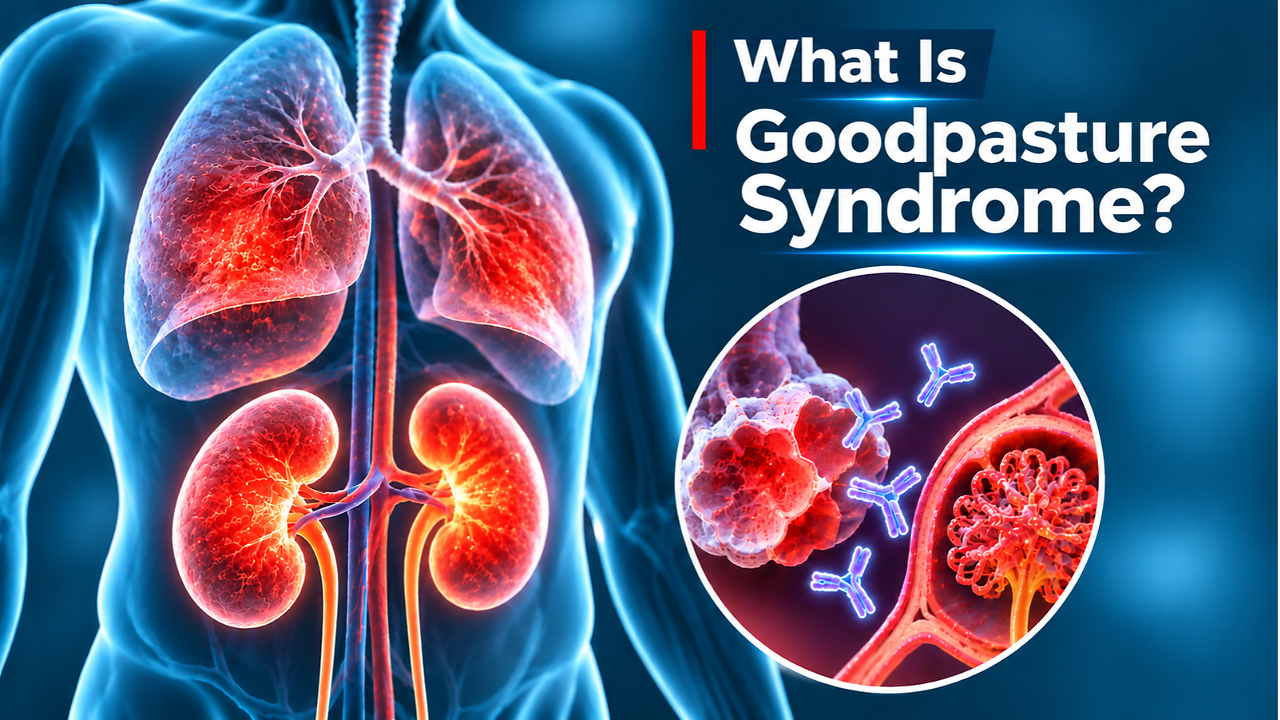
What initially seemed like an ordinary flu turned into a life-threatening medical emergency for a 40-year-old man in the UK, who discovered that his kidneys were failing because of a rare autoimmune disease.Swaroop Kadambari, a financial services lawyer and father of three, initially dismissed his constant exhaustion, fever and nausea as signs of a viral influenza infection. But blood tests revealed that his kidneys were severely damaged. Further investigations identified a rare condition called anti-glomerular basement membrane disease (anti-GBM disease).Kadambari’s diagnosis highlights how some autoimmune diseases can cause severe organ damage while presenting with symptoms that may appear common.According to The Telegraph, Kadambari was 37 when his symptoms first surfaced in 2023. He had started feeling excessively tired, struggled to stay awake in the evenings and found it difficult to maintain his usual exercise routine. His face also became puffy and he experienced prolonged nausea.When he developed fever and vomiting, he assumed he had the flu. It was his wife, Tanya, who encouraged him to visit his general practitioner (GP).Blood test results prompted his doctor to send him to hospital immediately. Within three days, doctors diagnosed him with anti-GBM disease.Also read: Christina Applegate Suspects Breast Implants May Have Caused MS-Like Symptoms: What Is the Condition?What Is Anti-GBM Disease?Anti-glomerular basement membrane disease is a rare autoimmune disorder in which the body's immune system mistakenly produces antibodies that attack the basement membranes of small blood vessels, spoecifically those in the kidneys and lungs.The glomerular basement membrane is a thin layer of tissue that forms part of the kidney's filtration system. It helps filter waste from the blood while retaining essential proteins and blood cells.When antibodies attack this membrane, they cause inflammation and damage to the kidney's filtering system, known as glomeruli. This can lead to progressive kidney failure.The condition can also affect the lungs by damaging small blood vessels in the air sacs, causing bleeding in the lungs.When anti-GBM disease affects both the kidneys and lungs, it is commonly referred to as Goodpasture syndrome.Also read: Nick Jonas Opens Up About Living With Type 1 Diabetes For More Than 2 Decades: What Does It EntailSymptoms Of Anti-GBM DiseaseOne of the challenges with anti-GBM disease is that its early symptoms can be mistaken for those of common infections. Some warning signs include:Chronic fatigue and weaknessFever and nauseaSwelling around the face, hands or legsBlood in the urineDecreased urine outputBreathlessness or coughing up blood if lungs are affectedAlso read: ‘Grey’s Anatomy’ Star Opens Up About Hashimoto’s Hypothyroidism: Know How This Autoimmune Disorder Can Impact Body and MindHow Is Anti-GBM Disease Treated? Treatment aims to stop the immune system from producing harmful antibodies and remove those already circulating in the bloodstream.Kadambari underwent plasmapheresis, a procedure that removes the patient's blood plasma containing harmful antibodies and replaces it with donor plasma. He also received medicines to suppress his immune system and reduce further damage.Despite undergoing 14 sessions of plasmapheresis over two weeks, his kidney function continued to deteriorate. After six weeks, a kidney biopsy confirmed that his kidneys were no longer functioning, making regular dialysis necessary.He eventually became eligible for a kidney transplant after receiving rituximab, a medicine that helps combat antibody-producing immune cells.Kadambari depended on dialysis to survive for the next year. Initially, he received treatment in hospital and later continued it at home with his wife's help.In May 2024, approximately a year after his first hospitalisation, Tanya donated one of her kidneys to him after being found to be a suitable match.The transplant allowed him to stop dialysis and return to a more normal routine.