
- Health Conditions A-Z
- Health & Wellness
- Nutrition
- Fitness
- Health News
- Ayurveda
- Videos
- Medicine A-Z
- Parenting
46% Of Workforce Americans Are Struggling With Layoff Anxiety In 2025: Is Hustle Culture Hurting Your Mental Health?

Credits: Canva
The American workforce is experiencing a deep-seeded psychological challenge in 2025. Close to 46% of U.S. employees now indicate that they worry about getting laid off in the next year. This all-encompassing fear is not a temporary worry—it's changing the way Americans think about their work, careers, and even their mental well-being.
In a year marked by economic volatility, layoff anxiety is rapidly becoming a public mental health crisis in the United States. According to a new report by Indeed’s Hiring Lab and Harris Poll. With more than 700,000 job cuts announced in just the first five months of 2025—an alarming 80% increase from the same period in 2024—it's no surprise that job security feels like a luxury.
And behind the statistics, a more profound narrative exists: one of hustle culture, financial insecurity, and end-of-every-day stress converging—driving millions to the brink of burnout.
Silent Impact of Layoff Anxiety on Mental Health
Layoff fear isn't merely about dreading losing a job—it seeps into all areas of an individual's existence. It generates a buzz of constant stress that never disappears, you're always anxious. You're working extra hours, not necessarily because you want to be more efficient, but simply in order to be irreplaceable.
This toxic cycle, breeds mental fatigue, emotional disengagement, and tension-filled relationships, both on and off the job. Employees are working harder, putting in more overtime, and neglecting their own health—hoping only to make it through the next round of slashes.
Symptoms of layoff fear are common:
- Inability to concentrate, even on mundane tasks
- Increased irritability or mood swings
- Insomnia or excessive fatigue
- Working excessively to seem indispensable
- Withdrawing from coworkers or loved ones
This chronic stress does not stay in the office. It filters into personal relationships, interferes with sleep, and compromises overall quality of life.
The U.S. job market at first glance seems solid. Unemployment remains at 4.2%, and the nation gained 139,000 new jobs in May. Behind the headline numbers, however, employee morale has tanked.
In accordance with Glassdoor's data, enthusiasm among employees has sunk to a 2016 low, with only 45.1% of employees having confidence in their organization's six-month prognosis as of April 2025. That's hardly an improvement from the all-time low of 44.4% in February.
These numbers reveal a workforce that's fearful, uncertain, and hesitant to believe in long-term stability—when, technically, jobs still remain.
Survival Over Ambition
Maybe the most revealing change is in how employees are managing their careers. Half of all professionals polled, per Indeed's Hiring Lab and Harris Poll, are remaining in jobs they hate—not because they are satisfied or loyal, but because they are afraid of being the "last in, first out" when layoffs happen.
Is Hustle Culture Driving the Mental health Crisis?
America's historical love affair with productivity and "grind" culture could be fueling the layoff anxiety epidemic.
Hustle culture is centered on the constant striving—working more hours, skipping breaks, and foregoing personal time—all predicated on the assumption that hard work equals security. But in an environment where large-scale layoffs are determined by quarterly earnings calls, that does not hold.
Wilding contends that hustle culture generates an illusion of control. "People believe that if they work harder, they'll be able to stay employed. But working too much results in burnout, which will actually make you less efficient and more at risk.
In reality, employees are burning out for payoffs that never materialize—and sabotaging their own well-being in the process. A fearful workforce will be less innovative, less cooperative, and less committed to the firm's future.
What Workers Can Do to Take Back Control?
Under these conditions of uncertainty, the old career ladder seems more like a moving goal. As nearly half of American workers worry about being laid off, the formula for career success is shifting. For most, security trumps quick promotions or ideal job desires. The dilemma for workers and employers alike is to evolve with this new reality—to balance stability needs with growth, meaning, and happiness. But experts urge workers to make the transition from fear to flexibility. Here's how experts can safeguard their mental well-being and career prospects:
Upskill strategically: Prioritize in-demand, transferable skills.
Develop a personal brand: Networking and online presence are more important than ever.
Look at side projects: Passion projects can lead to opportunities while delivering meaning.
Establish boundaries: Working around the clock isn't the solution—rest is a sign of resilience.
With nearly half of the U.S. workforce suffering from layoff anxiety, we’re witnessing more than an economic trend—we’re watching a cultural shift unfold. The American Dream of climbing the career ladder through relentless hustle is being questioned, even rejected.
Women Urged Not To Ignore This Obvious Cancer Symptom, Doctor Warns

Credits: Canva
A GP has shared an urgent alert about a clearly visible cancer symptom that many women may be brushing aside. The doctor stressed that this particular sign needs to be checked without delay. Ahead of Cervical Cancer Prevention Week, beginning January 19, as per Mirror, Dr Rupa Parmar outlined key warning signs of the disease and cautioned that one in three women are skipping their routine cervical screening appointments.
She also highlighted that some of the most common symptoms are often dismissed. One such sign is weight loss, which many women may wrongly link to cutting back after festive overindulgence or returning to a normal routine in January.
Women Urged Not To Ignore This Obvious Cancer Symptom
Dr Parmar, a GP and Medical Director at Midland Health, explained: “Cancer cells interfere with the body’s ability to properly absorb fats, proteins and carbohydrates from food. As a result, calories are burned more quickly, leading to weight loss. Unexplained weight loss is often the most obvious sign of cancer and should always be checked straight away.” She added that sudden weight loss is not exclusive to cervical cancer and is recognised as a general warning sign across several types of cancer.
Cancer Research UK also notes that weight loss is common among people with cancer and can be one of the first reasons someone seeks medical advice. The charity points out that lung cancer and cancers of the upper digestive system are among those most often linked to weight loss.
Dr Parmar also highlighted other possible signs of cervical cancer.
Pain During Sex
Pain during intercourse can be caused by issues such as vaginal dryness, infections or skin conditions, Dr Parmar said. However, if pain is new and wasn’t present before, it could be linked to cervical cancer, as a growing tumour may begin to affect nearby tissues.
Recurrent UTIs
Experiencing three or more urinary tract infections within a year could indicate an underlying problem, including cervical cancer. Dr Parmar clarified that UTIs do not cause cancer, but repeated infections may occur if a tumour has advanced and is pressing on or blocking the urinary tract.
Pelvic Pain
Ongoing and severe pain in the lower back or pelvic area with no clear explanation can be another warning sign, particularly when combined with other symptoms. As cervical cancer advances, this pain may intensify and can worsen during sex, urination or bowel movements.
Vaginal Bleeding
Bleeding that is unusual for you should never be ignored. This includes bleeding during or after sex, spotting between periods, bleeding after menopause, heavier-than-normal periods, or cycles that last longer than usual. These changes can signal that something may be wrong.
Discharge
Changes in vaginal discharge can also point to problems with the cervix. An increase in discharge, an unusual smell, changes in colour, or the presence of blood may occur once cancer has begun to affect nearby tissues.
If you notice any of these symptoms, it’s important to speak to a doctor as soon as possible.
Doctors Advise UK Residents To Take This Daily Supplement Until March

Credits: Canva
Dietary supplements are already part of many people’s daily habits, especially at the start of the year when health goals are front of mind. What many may not realise is that there is one supplement the Government says everyone should be taking through the colder months. Health guidance recommends a small daily dose of vitamin D for everyone in the UK from around October to late March, as sunlight levels are too low for the body to produce enough on its own. Vitamin D supplements are easy to find and come in several forms, including tablets, capsules, gummies and liquid drops. Here is a simple breakdown of what vitamin D is and why it matters.
What Is Vitamin D?
Vitamin D is an essential nutrient that helps control calcium and phosphate levels in the body. These minerals work together to support healthy bones, teeth and muscles.
When vitamin D levels are too low, children can develop rickets, a condition that causes bones to become soft and weak. In adults, deficiency may lead to osteomalacia, which can result in bone pain, muscle weakness and a higher risk of fractures.
What Does The Government Recommend?
UK health advice states that everyone should take a daily supplement containing 10 micrograms, or 400 international units, of vitamin D during autumn and winter.
This amount is considered sufficient to maintain general wellbeing, particularly bone and muscle health, at a time of year when sunlight alone is not enough for vitamin D production.
Official guidance explains: “This advice is particularly important for people who have little exposure to sunlight during spring and summer, including those living in residential or nursing care homes, people in prisons, and individuals who regularly wear clothing that covers most of their skin when outdoors.
“These groups are at greater risk of vitamin D deficiency. People with darker skin tones, such as those from African, African-Caribbean or South Asian backgrounds, may also struggle to get enough vitamin D from sunlight alone.
“All of these groups are advised to take a vitamin D supplement throughout the year, in line with standard government dietary guidance.”
A scheme that once allowed eligible people to apply for free vitamin D supplements was available previously, but this programme ended in 2021.
Where Can You Get Vitamin D?
Between late March or early April and the end of September, most people can produce enough vitamin D naturally through sun exposure. The body creates vitamin D when UV-B rays from sunlight reach the skin.
Vitamin D is also present in certain foods, including oily fish, red meat, egg yolks, and fortified products such as some spreads and breakfast cereals.
Supplements can be bought easily from pharmacies and supermarkets, with some costing as little as 2p per day. Vitamin D3 is generally the preferred form.
Can You Get Too Much Vitamin D?
Yes. While sunlight does not cause vitamin D overdose, taking excessive supplements over a long period can lead to a build-up of calcium in the body. This can weaken bones and cause damage to the kidneys and heart.
For most people, a daily intake of 10 micrograms is sufficient. NHS advice states that adults should not take more than 100 micrograms, or 4,000IU, per day, as higher amounts may be harmful.
If a doctor has advised a different dosage based on your individual health needs, it is important to follow their guidance.
Can The HPV Vaccine Impact Your Chances Of Conceiving? Expert Answers
Credits: Canva
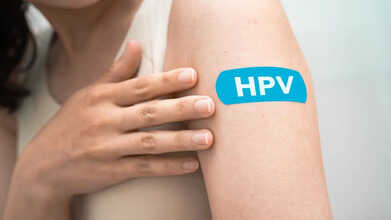
Concerns around fertility and vaccines often surface when people plan a family, and the HPV vaccine is no exception. Many women and men worry that getting vaccinated today could affect their ability to conceive later in life. Medical experts, however, say this fear is misplaced. According to fertility specialists, there is no evidence linking the HPV vaccine to reduced fertility. In fact, the vaccine may play a quiet but important role in protecting reproductive health over the long term.
Does The HPV Vaccine Affect Fertility?
The short and clear answer is no. The HPV vaccine does not negatively affect fertility in women or men. Dr. Madhu Patil, Consultant and Fertility Specialist at Motherhood Fertility and IVF, Sarjapur, Bangalore, explains that there is no scientific proof showing the vaccine causes fertility problems of any kind.
She notes that concerns often arise from misinformation rather than medical data. Extensive research and global vaccination programmes have consistently shown that people who receive the HPV vaccine do not experience reduced chances of conceiving in the future.
How HPV Infection Can Threaten Future Fertility
While the vaccine itself does not harm fertility, an untreated HPV infection can. HPV is the leading cause of nearly all cervical cancer cases. As per Dr Patil, “treatment for cervical cancer often involves procedures such as cone biopsy or LEEP, which can weaken the cervix. In more advanced cases, radiation or chemotherapy may be required.”
These treatments can reduce a woman’s ability to conceive and, in some cases, make it difficult to carry a pregnancy to full term. By preventing HPV-related cancers in the first place, the vaccine helps preserve the reproductive system and lowers the risk of fertility-compromising treatments later in life.
Why The HPV Vaccine Supports Reproductive Health
Dr. Patil points out that the HPV vaccine should be viewed as a protective measure rather than a risk. By stopping high-risk HPV strains from causing cancer or precancerous changes, the vaccine helps maintain cervical health. A healthy cervix and reproductive system are key factors in natural conception and safe pregnancies.
In this way, the vaccine indirectly supports fertility by reducing the likelihood of medical interventions that could interfere with reproductive function.
When Should the HPV Vaccine Be Taken?
Health experts recommend starting HPV vaccination at ages 11 or 12. At this stage, the immune response is strongest, and the vaccine offers protection well before any potential exposure to the virus. Dr. Patil strongly encourages parents to consult a gynaecologist and consider timely vaccination for their children.
That said, adults who missed vaccination earlier can still benefit. Many women and men receive the vaccine later in life after discussing it with their doctor.
Why Men Should Also Get The HPV Vaccine
The HPV vaccine is not only for women. Dr. Patil stresses that men should also be vaccinated, as HPV can cause cancers and genital warts that affect sexual health. Vaccination in men also reduces transmission to partners, adding another layer of protection for couples planning a family.
By limiting the spread of HPV, vaccination helps safeguard the reproductive and sexual health of both partners.
There is no evidence that the HPV vaccine reduces fertility. On the contrary, it helps prevent cancers and medical treatments that can threaten the ability to conceive or carry a pregnancy. Experts advise speaking with a gynaecologist, understanding the benefits, and making an informed decision based on medical facts rather than fear.
- Follow Us :


© 2024 Bennett, Coleman & Company Limited