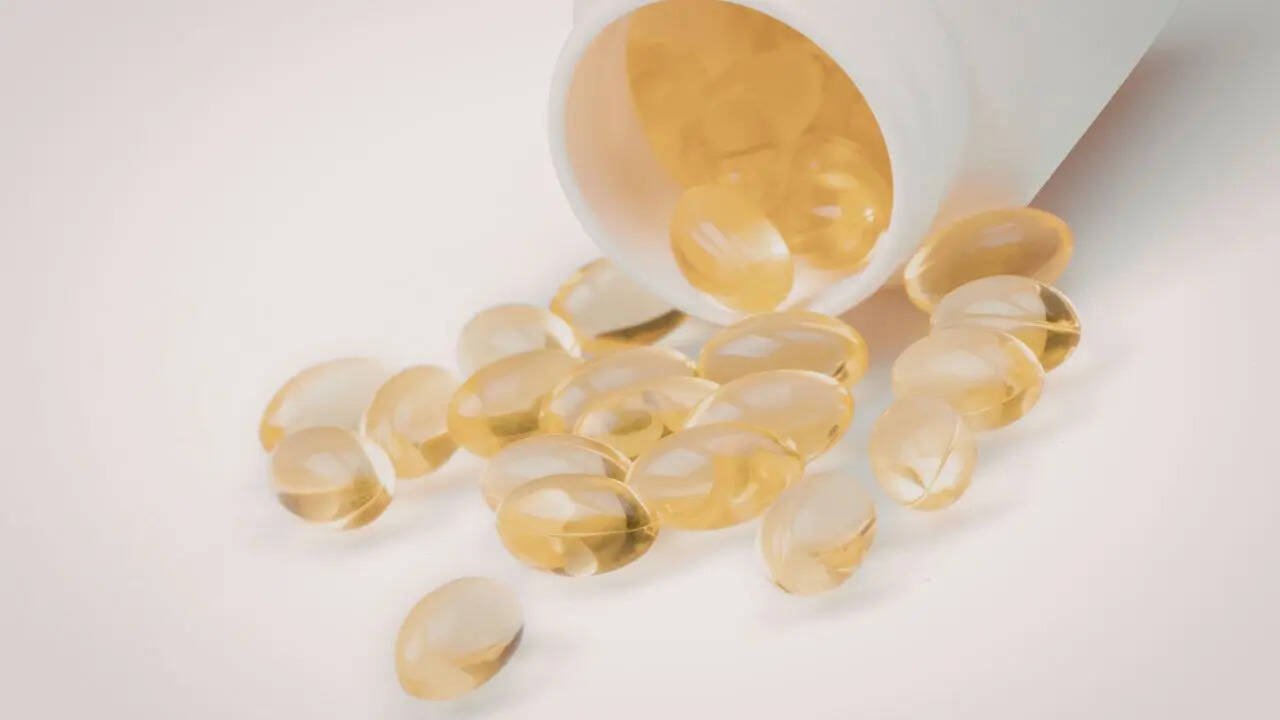
Dietary supplements are already part of many people’s daily habits, especially at the start of the year when health goals are front of mind. What many may not realise is that there is one supplement the Government says everyone should be taking through the colder months. Health guidance recommends a small daily dose of vitamin D for everyone in the UK from around October to late March, as sunlight levels are too low for the body to produce enough on its own. Vitamin D supplements are easy to find and come in several forms, including tablets, capsules, gummies and liquid drops. Here is a simple breakdown of what vitamin D is and why it matters.What Is Vitamin D?Vitamin D is an essential nutrient that helps control calcium and phosphate levels in the body. These minerals work together to support healthy bones, teeth and muscles.When vitamin D levels are too low, children can develop rickets, a condition that causes bones to become soft and weak. In adults, deficiency may lead to osteomalacia, which can result in bone pain, muscle weakness and a higher risk of fractures.What Does The Government Recommend?UK health advice states that everyone should take a daily supplement containing 10 micrograms, or 400 international units, of vitamin D during autumn and winter.This amount is considered sufficient to maintain general wellbeing, particularly bone and muscle health, at a time of year when sunlight alone is not enough for vitamin D production.Official guidance explains: “This advice is particularly important for people who have little exposure to sunlight during spring and summer, including those living in residential or nursing care homes, people in prisons, and individuals who regularly wear clothing that covers most of their skin when outdoors.“These groups are at greater risk of vitamin D deficiency. People with darker skin tones, such as those from African, African-Caribbean or South Asian backgrounds, may also struggle to get enough vitamin D from sunlight alone.“All of these groups are advised to take a vitamin D supplement throughout the year, in line with standard government dietary guidance.”A scheme that once allowed eligible people to apply for free vitamin D supplements was available previously, but this programme ended in 2021.Where Can You Get Vitamin D?Between late March or early April and the end of September, most people can produce enough vitamin D naturally through sun exposure. The body creates vitamin D when UV-B rays from sunlight reach the skin.Vitamin D is also present in certain foods, including oily fish, red meat, egg yolks, and fortified products such as some spreads and breakfast cereals.Supplements can be bought easily from pharmacies and supermarkets, with some costing as little as 2p per day. Vitamin D3 is generally the preferred form.Can You Get Too Much Vitamin D?Yes. While sunlight does not cause vitamin D overdose, taking excessive supplements over a long period can lead to a build-up of calcium in the body. This can weaken bones and cause damage to the kidneys and heart.For most people, a daily intake of 10 micrograms is sufficient. NHS advice states that adults should not take more than 100 micrograms, or 4,000IU, per day, as higher amounts may be harmful.If a doctor has advised a different dosage based on your individual health needs, it is important to follow their guidance.