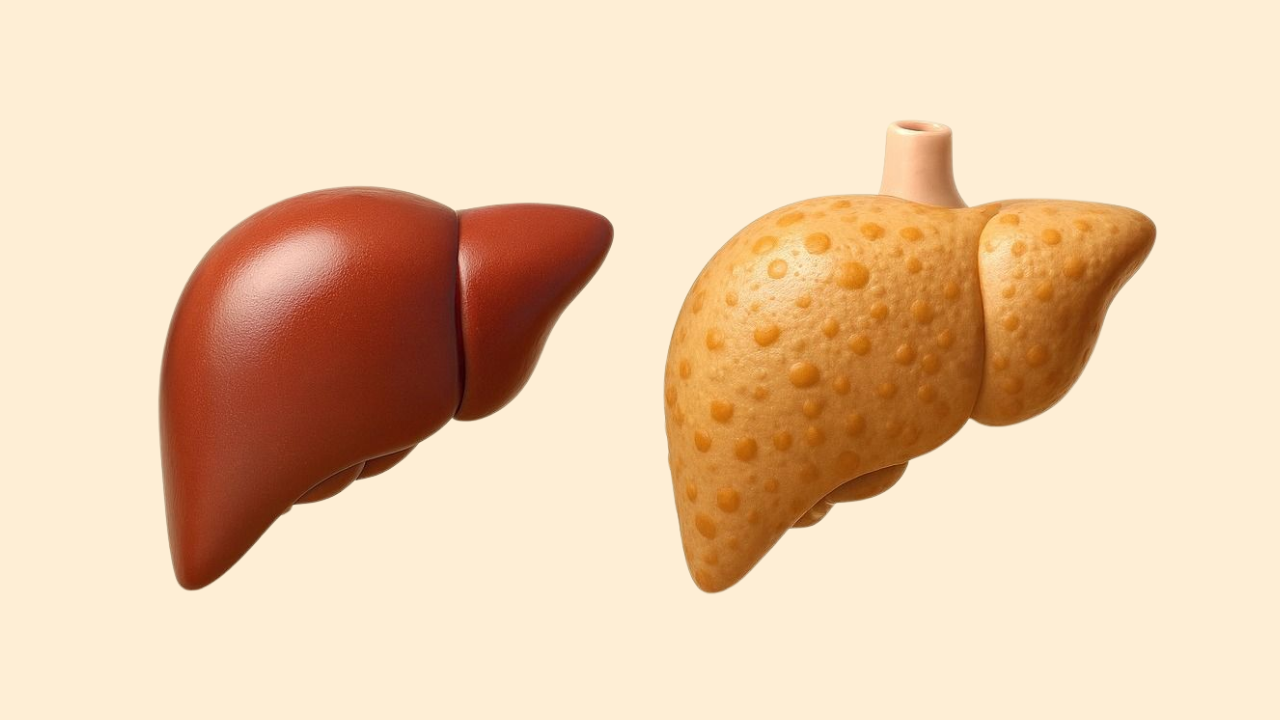
Fatty liver, also known as non-alcoholic fatty liver disease or NAFLD often hides in plain sight, this is because the condition rarely causes obvious pain or sudden symptoms in its early stages. Many people living with this condition continue to live normally, and so they assume nothing is wrong. Unfortunately, that silence is exactly what makes fatty liver dangerous.Doctors explain that the condition can develop quietly for years while fat slowly builds up inside liver cells. By the time noticeable symptoms appear, the liver may already be under strain. Today, NAFLD, presently known as metabolic dysfunction-associated steatotic liver disease (MASLD) is becoming one of the most common chronic liver conditions worldwide. Understanding what it is, and what it is not, can help people recognize the risks earlier and take steps to protect their health.Here are some of the most common myths doctors say people still believe about fatty liver.MYTH: Fatty Liver Happens Only To People Who Drink AlcoholMany people assume liver problems are always linked to alcohol. In reality, most fatty liver cases today are unrelated to drinking.Doctors estimate that around 30 to 40 percent of people in India may have non-alcoholic fatty liver disease. The condition often develops due to metabolic issues such as diabetes, high cholesterol, obesity, or insulin resistance. Because of this link, fatty liver is now considered part of what doctors call metabolic syndrome.Global research also shows that NAFLD has become the most common chronic liver disease worldwide, affecting nearly 38 percent of the population.MYTH: If There Are No symptoms, There Is No DiseaseFatty liver rarely causes dramatic warning signs in the beginning. This is why many people do not realize they have it.Instead of sharp pain, the body often gives small metabolic clues. These may include constant tiredness, difficulty sleeping, mild heaviness on the right side of the abdomen, darkening of the skin around the neck, or increasing belly fat.Because these signs seem unrelated, people tend to ignore them. However, doctors say these subtle changes can appear years before serious liver damage develops.MYTH: Only People Who Are Overweight Get Fatty LiverBody weight alone does not tell the full story. Some people who appear slim can still develop fatty liver.Doctors refer to this condition as “lean NAFLD.” In these cases, fat accumulates deep inside the body around internal organs. This type of fat, known as visceral fat, is not always visible from the outside.Experts say waist size is often a stronger indicator of risk than overall weight. Even people with a normal body mass index may develop fatty liver if they have high abdominal fat or insulin resistance.MYTH: Normal Blood Test Results Mean The Liver Is HealthyMany people feel reassured when routine blood tests come back normal. However, liver enzyme levels such as ALT and AST do not always detect fatty liver in its early stages.Doctors explain that fat can accumulate inside the liver while these enzyme levels remain within the normal range. In many cases, abnormal readings appear only after inflammation or damage has already started.This is why imaging tests or metabolic screenings are sometimes needed to detect the condition earlier.MYTH: Fatty Liver Is Harmless And Can Always Be Reversed LaterIt is true that fatty liver can improve, especially when lifestyle changes are made early. However, delaying action can allow the condition to progress.Over time, simple fat buildup may lead to inflammation known as non-alcoholic steatohepatitis (NASH). If the process continues, it can cause fibrosis, cirrhosis, liver failure, or even liver cancer.Doctors also warn that fatty liver is closely linked to other serious health problems. People with NAFLD often face a higher risk of heart disease, kidney problems, and certain cancers. Early medical consultation helps identify these risks before complications develop.MYTH: Sugar Alone Causes Fatty LiverSugar, particularly fructose found in sweetened drinks and processed foods, does contribute to fatty liver. However, the problem is much larger than one ingredient.Researchers explain that insulin resistance sits at the center of the disease. Diets high in refined carbohydrates, lack of physical activity, poor sleep, chronic stress, and irregular eating patterns can all contribute to metabolic overload.In other words, fatty liver develops when the body struggles to process energy efficiently over time.MYTH: Medication Will Fix Fatty LiverMany people hope there is a quick medical solution for fatty liver disease. In reality, there is currently no single medicine that can completely treat NAFLD on its own.Doctors say the most effective treatment is still lifestyle change. Losing around 7 to 10 percent of body weight, improving diet quality, and increasing daily movement can significantly reduce fat inside the liver.Medications may be prescribed in certain situations, especially if other metabolic conditions such as diabetes, high blood pressure, or abnormal cholesterol levels are present. However, not every patient requires liver-specific drug therapy, and these medicines are only used under medical supervision.MYTH: Only Diet MattersDiet is important, but fatty liver is influenced by several lifestyle factors working together. Sleep quality, physical activity, stress levels, and muscle health all affect metabolism.For example, strength training helps improve insulin sensitivity, while regular movement after meals can reduce blood sugar spikes. Poor sleep and untreated sleep apnea can also worsen metabolic health and increase fatty liver risk.What Actually Deserves AttentionDoctors say the earliest warnings often come from metabolic health rather than liver symptoms. Rising waist size, prediabetes, high triglyceride levels, low HDL cholesterol, and persistent fatigue may all signal underlying metabolic strain. Loud snoring linked to sleep apnea can also be a clue.Protecting liver health usually involves simple but consistent habits. Regular health screenings, limiting ultra-processed foods, walking after meals, building muscle through exercise, and avoiding alcohol when fatty liver is present can all make a meaningful difference.Fatty liver disease develops slowly, but the same is true for recovery. Small daily changes, repeated over time, often have the greatest impact on protecting the liver and preventing long-term complications.