
- Health Conditions A-Z
- Health & Wellness
- Nutrition
- Fitness
- Health News
- Ayurveda
- Videos
- Medicine A-Z
- Parenting
A ‘Busy Lifestyle’ Can Cause Heart Attacks, Cardiologist Says

Credits: Canva
A daily routine of late nights, chronic stress, and quick convenience meals may quietly increase the risk of a heart attack, warns California-based cardiologist Dr Sanjay Bhojraj.
In a recent discussion on social media, Dr Bhojraj explained that the pathway to heart disease rarely begins with a single dramatic decision. Instead, it often develops through small lifestyle habits that slowly accumulate over time.
The Lifestyle Patterns That Can Ruin Your Heart
Dr Bhojraj notes that several common behaviors frequently appear in the medical history of patients who later develop serious heart problems.
One major factor is chronic stress, which refers to long-term psychological pressure that the body experiences continuously rather than temporarily. Stress activates the body’s “fight or flight” response, a biological reaction that increases heart rate and releases stress hormones such as cortisol and adrenaline.
When this response remains active for long periods, it can place strain on the cardiovascular system.
Another contributing factor is sleep deprivation, meaning consistently getting less sleep than the body needs. Adults generally require seven to nine hours of sleep each night.
Late nights, work demands and prolonged exposure to digital screens often shorten sleep cycles. Previous research has linked insufficient sleep has been linked to higher blood pressure, inflammation and metabolic disturbances.
Diet also plays an important role. Busy schedules often lead people to rely on highly processed or convenience foods, which may contain high amounts of sugar, salt and unhealthy fats. These dietary patterns can contribute to weight gain, poor cholesterol levels and metabolic imbalance.
According to Dr Bhojraj, these habits may appear harmless individually but can collectively create conditions that increase the risk of cardiovascular disease.
Why Are These Habits Dangerous For You?
One reason these lifestyle patterns are dangerous is that their effects develop slowly and may not produce obvious symptoms at first.Doctors often identify early warning signs through routine blood tests and health measurements. One common indicator is rising blood pressure. Blood pressure measures the force of blood pushing against artery walls.
When it remains elevated for long periods, a condition known as hypertension, it increases the risk of heart attacks, strokes, and kidney disease.
Another warning sign is unstable blood sugar levels. Blood sugar, also known as glucose, is the body’s primary source of energy. However, frequent spikes caused by sugary or processed foods can strain the body’s metabolic system, eventually increasing the risk of type 2 diabetes.
Doctors also monitor triglycerides, a type of fat found in the blood. High triglyceride levels often develop when the body consumes more calories than it burns, especially from refined carbohydrates and sugary foods. Elevated triglycerides are associated with an increased risk of cardiovascular disease.
Dr Bhojraj emphasises that these changes often occur gradually. Each individual measurement may seem only slightly abnormal, but together they can signal increasing strain on the heart and blood vessels.
Why Modern Lifestyles Make The Problem Worse
Many experts believe that modern work culture contributes to these patterns. Long working hours, constant digital connectivity and pressure to remain productive can reduce opportunities for rest, exercise and balanced meals.
Research from the World Health Organization and the American Heart Association has linked chronic stress and insufficient sleep to increased risks of cardiovascular disease. Over time, these factors can lead to inflammation, metabolic imbalance and damage to blood vessels.
Importantly, these habits are rarely the result of deliberate neglect. As Dr Bhojraj points out, many people simply become caught in routines shaped by demanding schedules and responsibilities.
Prevention Starts With Everyday Habits
Cardiologists emphasise that preventing heart disease often begins with small but consistent lifestyle changes rather than a single medical intervention.
Regular sleep patterns, balanced nutrition, physical activity, and stress management can significantly improve cardiovascular health. Activities such as walking, meditation, or structured exercise help reduce stress hormones and improve blood circulation.
Routine medical check-ups are also important. Monitoring blood pressure, blood sugar, cholesterol, and triglyceride levels can help detect early warning signs before serious problems develop.
According to Dr Bhojraj, prevention in cardiology is less about quick fixes and more about recognising patterns. When unhealthy habits persist for years, the body records those patterns in measurable ways. Understanding and adjusting daily routines early may therefore be one of the most effective strategies for protecting long-term heart health.
Energy Drinks Are Not A Substitute For Water In Summer, Doctors Say
Credits: Canva
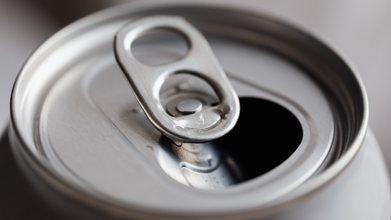
Water remains the most reliable and effective way to keep the body hydrated during hot weather. However, many people increasingly turn to energy drinks during long workdays or busy schedules, hoping to stay refreshed or energized.
Experts warn that relying on these drinks instead of water can create several health risks, particularly when temperatures are high.
Energy drinks are typically marketed as quick solutions for fatigue and low energy. They often contain high levels of caffeine, added sugars and stimulants that may temporarily increase alertness.
While this short term boost may seem appealing, experts say these drinks are not designed to support proper hydration. When consumed frequently, especially during summer, they can place extra strain on the body rather than helping it stay cool and hydrated.
Dr Arun Sachdeva, an Internal Medicine Specialist at Felix Healthcare in Bengaluru, explains that replacing water with energy drinks during hot weather can interfere with the body’s natural hydration balance.
According to him, excessive consumption of these beverages may contribute to both immediate and long term health concerns, particularly when the body is already losing fluids through sweating.
Higher Risk Of Dehydration
One of the main concerns with energy drinks is their caffeine content. Caffeine acts as a mild diuretic, which means it can increase urine production and lead to faster fluid loss from the body.During summer, when sweating already causes significant water loss, this effect may make it harder for the body to maintain proper hydration.
When energy drinks replace water intake, the risk of dehydration increases. Common symptoms of dehydration include fatigue, dizziness, headaches and dry mouth. In more severe cases, dehydration can also affect concentration, physical performance and overall wellbeing.
Excessive Stress On The Heart
Another concern is the combination of caffeine and other stimulants commonly found in energy drinks. These ingredients can raise heart rate and increase blood pressure. Regular consumption, especially in hot weather, may place additional strain on the cardiovascular system.For people who already have high blood pressure or existing heart conditions, excessive intake of energy drinks could increase the risk of heart palpitations or irregular heart rhythms. Experts therefore recommend limiting the consumption of these beverages, particularly during periods of intense heat.
High Sugar And Empty Calories
Many energy drinks available in the market contain large amounts of added sugar. Drinking them regularly instead of water can significantly increase daily calorie intake without providing meaningful nutritional value.Frequent spikes in blood sugar levels may gradually increase the risk of metabolic disorders. Over time, consistently high sugar consumption can contribute to health problems such as obesity and type 2 diabetes.
Therefore, doctors advise paying attention to sugar content in beverages, especially during hot weather when people tend to drink more fluids throughout the day.
Sleep Disruption And Energy Crashes
Although energy drinks are commonly used to combat tiredness, their high caffeine content can disrupt normal sleep cycles if consumed frequently. Poor sleep can lead to persistent fatigue, irritability and reduced concentration.Instead of providing sustained energy, regular consumption of energy drinks may lead to temporary stimulation followed by sudden drops in energy levels.
This cycle can leave individuals feeling even more tired later in the day, creating a pattern where they rely on more caffeinated drinks to stay alert.
Kidney Health And Hydration
Proper hydration plays an important role in maintaining kidney health. Water helps the kidneys filter waste products and maintain fluid balance within the body. Energy drinks do not provide the same hydration benefits when they replace water intake.When the body does not receive enough water, the kidneys may struggle to function efficiently. Over time, poor hydration can increase the risk of kidney related problems and may affect the body’s ability to regulate fluid levels effectively.
Why Water Remains The Best Choice
Doctors emphasize that water remains the safest and most effective drink for maintaining hydration during summer. It helps regulate body temperature, supports organ function and replaces fluids lost through sweating without introducing excess caffeine, sugar or stimulants.
Energy drinks may occasionally provide a quick boost of alertness, but they should not be used as a substitute for water. Maintaining regular water intake throughout the day remains one of the simplest and most effective ways to support overall health during hot weather.
Your Work Life Habits Can Affect Kidney Health, Doctors Say
Credits: Canva
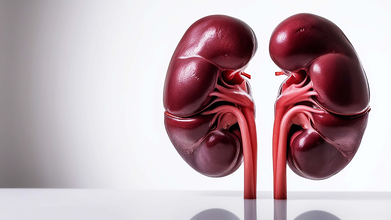
Late nights at the office, quick dinners made from instant noodles or packaged snacks and constant deadline pressure are often treated as normal parts of professional life, but doctors say these habits may gradually affect kidney health.
Nephrologists report that routine health screenings are increasingly detecting early signs of kidney stress in people in their late 20s to 30s, even among those without traditional risk factors such as diabetes, smoking or a family history of kidney disease.
According to nephrologist Dr Kristin George, some patients show warning indicators such as elevated creatinine levels, high blood pressure or traces of protein in the urine.
Creatinine is a waste product filtered out by the kidneys and rising levels may indicate that the organs are not removing waste as efficiently as they should.
Doctors say that when lifestyle patterns are examined more closely, prolonged work stress, sedentary routines, irregular meals and frequent late-night snacking often emerge as common factors.
Kidney Disease Is A Growing Global Concern
Kidney disease is already recognized as a major global health challenge. Recent research estimates that nearly 850 million people worldwide are living with some form of kidney disease.Chronic kidney disease, or CKD, involves the gradual loss of kidney function over time and can eventually lead to kidney failure if it is not detected early.
Health experts warn that CKD could become one of the leading causes of death globally in the coming decades. Diabetes and hypertension account for a large proportion of cases and according to the International Society of Nephrology these two conditions combined contribute to nearly two-thirds of chronic kidney disease cases worldwide.
Doctors also note that prolonged stress may indirectly increase these risks because long-term elevations in stress hormones such as cortisol can raise blood pressure and disrupt metabolic balance.
Processed Foods And Late-Night Eating
Dietary habits may also contribute to kidney strain, particularly when busy schedules encourage reliance on convenient foods that are often high in sodium and low in nutritional value.Late-night meals frequently include instant noodles, chips, processed meats or packaged snacks, many of which contain significant amounts of sodium.
Sodium helps regulate fluid balance, but excessive intake forces the kidneys to work harder to maintain stable blood pressure. The World Health Organization estimates that most adults consume nearly twice the recommended daily sodium intake, largely because of processed foods.
Doctors say that consistently high salt intake can gradually increase blood pressure and place additional strain on kidney function.
Sedentary Work And Poor Hydration
Hydration habits and prolonged sitting are additional concerns among office workers. Many professionals rely heavily on coffee, energy drinks or sugary beverages during long workdays, often replacing plain water as the main source of fluid intake.
While moderate caffeine consumption is generally considered safe, relying mainly on caffeinated drinks can contribute to mild dehydration, which may affect blood circulation through the kidneys and increase the likelihood of kidney stones.
At the same time, many corporate jobs require employees to remain seated for extended periods. Sedentary routines have been linked to obesity, impaired glucose metabolism and high blood pressure, all of which are major contributors to kidney disease.
Early Signs Often Go Unnoticed
Kidney disease often develops silently in its early stages, which means many people remain unaware of the problem until significant damage has occurred.
Early kidney dysfunction may progress quietly for years before symptoms appear, and by the time signs such as swelling, fatigue or changes in urination become noticeable, kidney function may already be reduced.
Doctors therefore recommend periodic screening tests, including serum creatinine measurements, estimated glomerular filtration rate (eGFR) tests and urine albumin tests, which can detect early signs of kidney damage.
Small Changes Can Make A Difference
Health experts say that protecting kidney health often begins with small lifestyle changes. Reducing processed food consumption, limiting excessive salt intake, staying adequately hydrated and maintaining regular sleep schedules can all support kidney function.
Taking short movement breaks during long work hours and managing stress through regular physical activity or relaxation techniques may also help reduce the long-term strain that modern work routines place on the body.
Doctors emphasise that kidney disease usually develops gradually, which means recognising and adjusting everyday habits early may help many young professionals protect their kidney health.
AHA Cholesterol Guidelines 2026: How Indians Can Improve Heart Health

Credit: Canva
Heart disease remains the leading cause of death in India, often affecting people nearly a decade earlier than in Western populations.
Recent cholesterol management recommendations from the American Heart Association (AHA) and related global guidelines emphasize aggressive control of LDL cholesterol — the so-called “bad cholesterol.” For Indians, these recommendations carry particular importance.
Studies consistently show that South Asians have a higher tendency for premature coronary artery disease. Even individuals who appear relatively lean may have underlying metabolic risk factors such as insulin resistance, abdominal obesity, and elevated triglycerides. Because of this inherent susceptibility, the same cholesterol levels that may appear “borderline” in Western populations can translate into a significantly higher cardiovascular risk in Indians.
What Does The New Guidelines Say
The newer guidelines shift the focus away from merely treating cholesterol numbers to assessing an individual’s overall cardiovascular risk.
Factors such as diabetes, smoking, blood pressure, family history of early heart disease, and age are considered together. If a person falls into a higher-risk category, doctors now recommend lowering LDL cholesterol more aggressively than before.
For people who already have established heart disease, the goal is particularly strict. LDL cholesterol is ideally reduced to levels below 55 mg/dL. Achieving such targets often requires not only lifestyle changes but also medications such as statins, and in some cases, newer therapies that further lower cholesterol levels.
How Indians Can Prevent Heart Disease
For Indians without diagnosed heart disease, prevention becomes the key message. Regular screening after the age of 30–35 years is increasingly advisable, especially if there is a family history of heart disease or diabetes. Diet also plays a central role: reducing trans fats, limiting refined carbohydrates, increasing fibre intake, and maintaining a healthy body weight can significantly influence cholesterol levels.
Equally important is regular physical activity. Even 30 minutes of brisk walking most days of the week can improve lipid profiles and reduce cardiovascular risk.
The key takeaway is simple: Indians develop heart disease earlier and often at lower cholesterol levels.
The newer AHA recommendations reinforce the need for earlier screening, individualized risk assessment, and more proactive cholesterol management to prevent future heart attacks.
- Follow Us :


© 2024 Bennett, Coleman & Company Limited