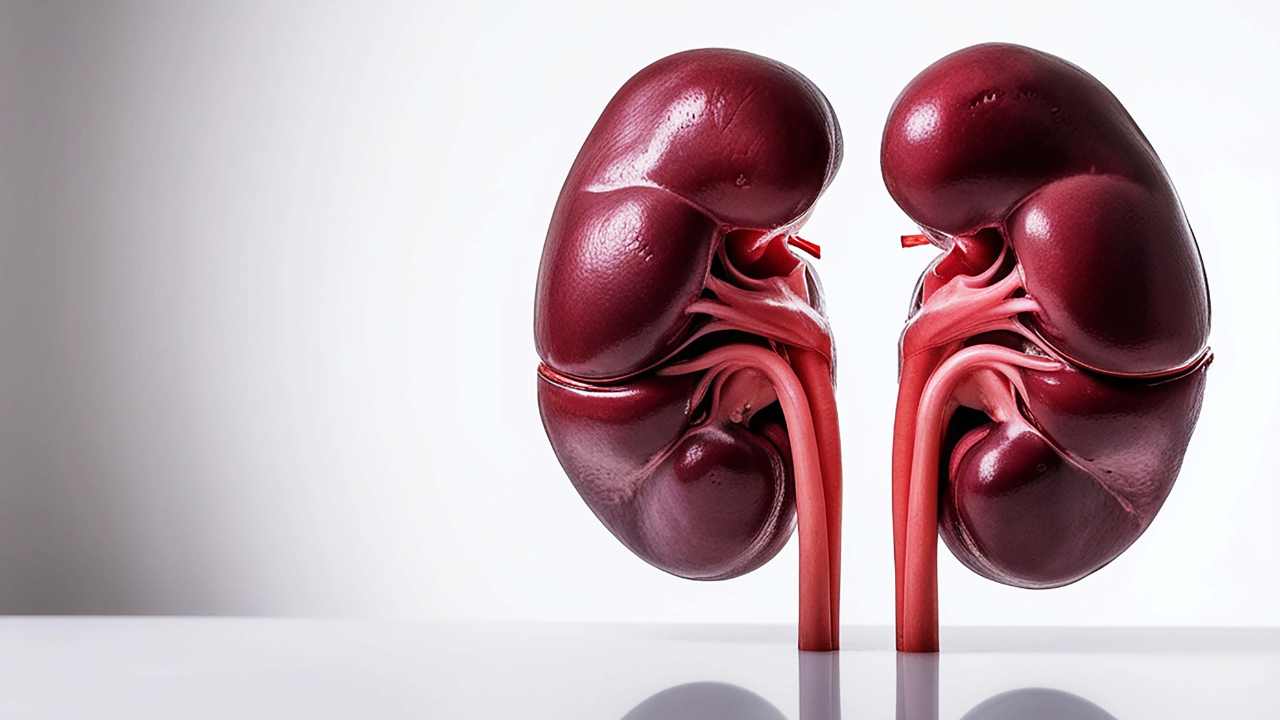
Late nights at the office, quick dinners made from instant noodles or packaged snacks and constant deadline pressure are often treated as normal parts of professional life, but doctors say these habits may gradually affect kidney health.Nephrologists report that routine health screenings are increasingly detecting early signs of kidney stress in people in their late 20s to 30s, even among those without traditional risk factors such as diabetes, smoking or a family history of kidney disease.According to nephrologist Dr Kristin George, some patients show warning indicators such as elevated creatinine levels, high blood pressure or traces of protein in the urine. Creatinine is a waste product filtered out by the kidneys and rising levels may indicate that the organs are not removing waste as efficiently as they should.Doctors say that when lifestyle patterns are examined more closely, prolonged work stress, sedentary routines, irregular meals and frequent late-night snacking often emerge as common factors.Kidney Disease Is A Growing Global ConcernKidney disease is already recognized as a major global health challenge. Recent research estimates that nearly 850 million people worldwide are living with some form of kidney disease. Chronic kidney disease, or CKD, involves the gradual loss of kidney function over time and can eventually lead to kidney failure if it is not detected early.Health experts warn that CKD could become one of the leading causes of death globally in the coming decades. Diabetes and hypertension account for a large proportion of cases and according to the International Society of Nephrology these two conditions combined contribute to nearly two-thirds of chronic kidney disease cases worldwide. Doctors also note that prolonged stress may indirectly increase these risks because long-term elevations in stress hormones such as cortisol can raise blood pressure and disrupt metabolic balance.Processed Foods And Late-Night EatingDietary habits may also contribute to kidney strain, particularly when busy schedules encourage reliance on convenient foods that are often high in sodium and low in nutritional value. Late-night meals frequently include instant noodles, chips, processed meats or packaged snacks, many of which contain significant amounts of sodium.Sodium helps regulate fluid balance, but excessive intake forces the kidneys to work harder to maintain stable blood pressure. The World Health Organization estimates that most adults consume nearly twice the recommended daily sodium intake, largely because of processed foods. Doctors say that consistently high salt intake can gradually increase blood pressure and place additional strain on kidney function.Sedentary Work And Poor HydrationHydration habits and prolonged sitting are additional concerns among office workers. Many professionals rely heavily on coffee, energy drinks or sugary beverages during long workdays, often replacing plain water as the main source of fluid intake. While moderate caffeine consumption is generally considered safe, relying mainly on caffeinated drinks can contribute to mild dehydration, which may affect blood circulation through the kidneys and increase the likelihood of kidney stones.At the same time, many corporate jobs require employees to remain seated for extended periods. Sedentary routines have been linked to obesity, impaired glucose metabolism and high blood pressure, all of which are major contributors to kidney disease.Early Signs Often Go UnnoticedKidney disease often develops silently in its early stages, which means many people remain unaware of the problem until significant damage has occurred. Early kidney dysfunction may progress quietly for years before symptoms appear, and by the time signs such as swelling, fatigue or changes in urination become noticeable, kidney function may already be reduced.Doctors therefore recommend periodic screening tests, including serum creatinine measurements, estimated glomerular filtration rate (eGFR) tests and urine albumin tests, which can detect early signs of kidney damage.Small Changes Can Make A DifferenceHealth experts say that protecting kidney health often begins with small lifestyle changes. Reducing processed food consumption, limiting excessive salt intake, staying adequately hydrated and maintaining regular sleep schedules can all support kidney function.Taking short movement breaks during long work hours and managing stress through regular physical activity or relaxation techniques may also help reduce the long-term strain that modern work routines place on the body.Doctors emphasise that kidney disease usually develops gradually, which means recognising and adjusting everyday habits early may help many young professionals protect their kidney health.