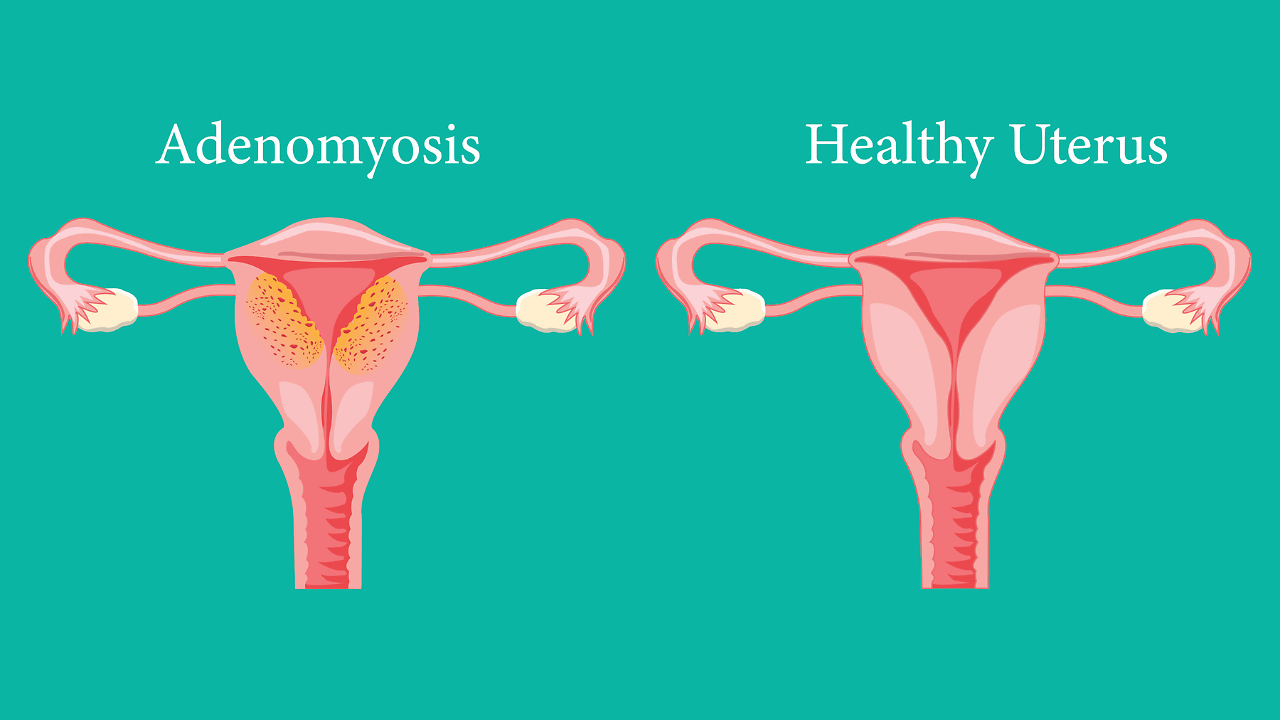
Adenomyosis is a condition that can affect younger women too. It is not limited to women in their 30s or 40s, although it becomes more common with age. Pooja, a 39-year-old pilot, noticed her periods becoming heavier and more painful. Increasing bleeding left her exhausted, while pelvic pain began interfering with daily life. Further evaluation and imaging revealed adenomyosis. Treatment helped bring her bleeding and pain under better control.Symptoms such as heavy periods, painful cramps and pelvic discomfort may be caused by adenomyosis, a benign condition in which tissue similar to the uterine lining grows into the muscular wall of the uterus. It is sometimes mistaken for endometriosis because the symptoms can be similar. However, the two conditions are different, although they can occur together.Adenomyosis can occur across different age groups. Nearly 1 in 10 women with subfertility may have isolated adenomyosis, while pooled studies suggest it may be found in almost 1 in 2 women presenting with pelvic pain.It can also affect women who are not planning pregnancy. A woman in her 40s or 50s may notice increasingly heavy periods, severe cramps or pelvic pressure that begins interfering with work and daily life. Even after years of having periods without major problems, a sudden change in bleeding or pain should not simply be dismissed as ageing.What Exactly Is Adenomyosis?The uterus has an inner lining called the endometrium and a muscular layer called the myometrium. Normally, these layers remain separate. In adenomyosis, tissue similar to the endometrium is found within the muscular wall.This tissue responds to hormonal changes during the menstrual cycle, contributing to inflammation and thickening of the uterine muscle. The uterus may become enlarged and tender, and periods may become heavier or more painful.Adenomyosis vs Endometriosis: What’s the Difference?The main difference between the two conditions is where the tissue grows. In adenomyosis, tissue similar to the uterine lining grows into the muscle wall of the uterus. In endometriosis, similar tissue grows outside the uterus, commonly around the ovaries, pelvic lining and other pelvic organs.Adenomyosis is more commonly associated with heavy or prolonged menstrual bleeding, severe cramps and pelvic pressure. Endometriosis may more commonly cause pelvic pain, painful periods, pain during sex, or pain during bowel movements or urination, particularly around periods.However, symptoms can overlap, and both conditions can affect fertility. Therefore, symptoms alone cannot reliably distinguish between them.What Are the Symptoms?Some women with adenomyosis have no symptoms, while others experience problems that affect their work and daily activities.Common symptoms include:Heavy or prolonged menstrual bleedingSevere period crampsPelvic pain or pressurePelvic tendernessPain during intercourseFatigue associated with heavy bleedingHeavy bleeding can eventually cause iron-deficiency anaemia, resulting in tiredness, weakness and reduced energy. Adenomyosis may also be identified during an evaluation for difficulty conceiving.Who May Be At Risk?Adenomyosis is more commonly diagnosed in women in their 30s and 40s. Previous childbirth, caesarean section and certain uterine surgeries or procedures may be associated with a higher likelihood.However, these are not requirements, and adenomyosis can occur without them. Age or medical history alone should not be used to rule it out.Preety, a 32-year-old housewife, was being evaluated for difficulty conceiving. During her fertility assessment, imaging suggested adenomyosis. Her doctors considered her symptoms and reproductive goals while planning treatment.Her case highlights an important point: adenomyosis does not look the same in every woman, and treatment cannot follow a one-size-fits-all approach.How Is Adenomyosis Diagnosed and Treated?Diagnosis usually begins with a detailed discussion about symptoms and medical history, followed by a gynaecological examination where appropriate.Ultrasound is commonly used as the first imaging investigation, while MRI may be recommended for a more detailed assessment.Treatment depends on individual needs. There is no single treatment suitable for every woman with adenomyosis. Doctors consider symptom severity, age, overall health, response to previous treatments and, importantly, whether she wants to become pregnant now or in the future.Management may include medicines to control pain or bleeding, hormonal treatments and, in selected cases, procedures or surgery. Hormonal IUDs may also be considered for women who are not currently planning pregnancy. In severe cases, hysterectomy may be considered when future pregnancy is not desired.Women planning pregnancy may require a different approach from those who have completed their family.The goal is to control symptoms, protect quality of life and address reproductive goals.Don’t Normalise Debilitating PeriodsA major challenge with adenomyosis is that its symptoms can be normalised. A woman may spend years believing that extremely heavy bleeding or debilitating cramps are simply part of having periods. They should not automatically be ignored.If periods become significantly heavier, pain worsens, bleeding causes fatigue or anaemia, or pelvic pain interferes with daily life or fertility plans, a consultation with a gynaecologist can help identify the underlying cause.Adenomyosis is benign, but living with its symptoms does not have to be accepted as normal. Recognising the signs, getting evaluated and choosing treatment based on individual needs can help women regain control of their reproductive health and quality of life.(By Dr Kanchi Khurana, Associate Director – Department of Fertility at Cloudnine Group of Hospitals, Chandigarh)