
- Health Conditions A-Z
- Health & Wellness
- Nutrition
- Fitness
- Health News
- Ayurveda
- Videos
- Medicine A-Z
- Parenting
ADHD Prescriptions Shot Up By 157% Since 2015, Especially Among Women: Study
Credits: Canva
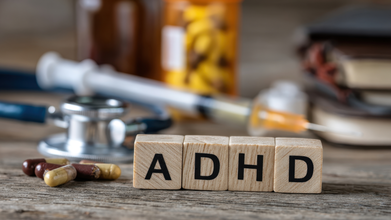
A new Ontario study revealed that there has been a 157 percent increase in the prescriptions for stimulant medications used to treat attention-deficit hyperactivity disorder (ADHD). The study noted that the prescriptions skyrocketed between 2015 to 2023. This means the prescriptions have increased four times each year from 2020 to 2023, as compared to 2015 to 2019, linked pandemic and mental health conditions to be a reason for the same. The study is published in JAMA Network Open. Researchers at ICES, the non-profit group formally known as the Institute for Clinical Evaluative Sciences in Toronto, along with North York General Hospital and the Hospital for Sick Children.
Growth Accelerates After the Pandemic
According to the study, prescription rates began climbing steadily before the pandemic but accelerated sharply from 2020 onward. Between 2020 and 2023, stimulant prescriptions rose nearly four times faster each year compared with the period between 2015 and 2019. This shift suggests that life disruptions during lockdowns may have pushed many people to seek help for long-standing attention and focus struggles.
Using data from Ontario’s Narcotics Monitoring System, the researchers tracked prescriptions for stimulant medications, the primary treatment for ADHD. These drugs increase dopamine and other chemicals in the brain, helping people concentrate, regulate emotions and think more clearly.
The overall result was a 157 percent rise in new stimulant prescriptions over eight years.
Women See the Largest Increase
The most striking finding is how dramatically rates have increased among women. Women between 25 and 44 saw a surge of more than 420 percent. For men in the same age group, the increase was nearly 220 percent. Younger women also experienced a major rise, with prescriptions up almost 370 percent among those aged 18 to 24.
By 2023, women over the age of 18 were receiving stimulant prescriptions at higher rates than men, reversing long-standing patterns in ADHD diagnosis and treatment. Historically, boys and men have been diagnosed more often because the condition has been viewed through a male-focused lens.
Experts say this makeover in the data reflects a deeper shift in understanding ADHD in females. Girls often present with symptoms of quiet inattention rather than the hyperactivity commonly seen in boys. Because they tend not to disrupt classrooms, they are frequently overlooked and reach adulthood without a diagnosis.
Pandemic, Social Media and Online Clinics Play a Role
Heidi Bernhardt, founder of the Centre for ADHD Awareness Canada, says the pandemic played a major role in changing how people experienced and recognized ADHD symptoms. With routines disrupted and support systems diminished, many adults began to notice difficulties that had been manageable before.
At the same time, TikTok, Instagram and other social platforms created a surge in conversations about neurodiversity. Online mental health services also became more accessible, making it easier for adults to pursue an assessment, sometimes for the first time in their lives.
Awareness Helps, But Misdiagnosis Is a Concern
Specialists welcome the fact that more women are now being correctly diagnosed. Dr. Anita Parhar of the ADHD Centre for Women says the rising prescription rates show that women are finally being acknowledged and treated for symptoms they may have lived with for years.
But researchers also caution that the rapid increase raises the possibility of misdiagnosis. Some symptoms linked to ADHD can overlap with anxiety disorders or other mental health issues. When ADHD is diagnosed incorrectly, the underlying condition may go untreated.
Pediatrician and ADHD specialist Jane Liddle notes that failure to treat true ADHD carries its own risks. Untreated ADHD is associated with higher rates of anxiety, depression, academic problems and addiction.
As prescriptions continue to rise, experts say the priority should be ensuring accurate diagnosis and access to appropriate care, especially as awareness of ADHD continues to evolve.
Her Health, Her Power: A Call to Action This International Women's Day

Credit: iStock
She wakes before dawn, packs lunches, manages households, holds careers together, and still finds time to ask everyone else, "Are you okay?" The Indian woman is, in every sense, the backbone of her family. And yet, in giving so much of herself to others, she often becomes the last person she takes care of.
This International Women's Day, that needs to change.
Cancer remains one of the gravest health threats facing Indian women today.
Breast cancer has become the most frequently diagnosed cancer among Indian women — and unlike in Western countries, it is striking women in their 30s and 40s, at the very peak of their lives.
Cervical cancer, though almost entirely preventable, continues to claim thousands of lives every year — not because medicine has failed, but because awareness has.
Ovarian cancer, often called the "silent killer," is frequently caught only at advanced stages, making early vigilance all the more critical.
Thyroid cancer is emerging as a cancer that disproportionately affects women — occurring nearly three times more often in women than men. The good news is that it is also one of the most treatable cancers when detected early.
Women who notice a lump or swelling in the neck, unexplained hoarseness, or difficulty swallowing should not dismiss these signs.
A simple ultrasound and blood test can go a long way in ruling out — or catching — a problem early. The truth, however, is not bleak — it is urgent.
Early Detection Saves Lives
Most cancers, when found at an early stage, are highly treatable. Women above 40 should schedule regular clinical breast examinations and mammography.
Cervical cancer screening through a Pap smear or HPV test, starting as early as age 25–30, can detect precancerous changes before they ever become cancer. These tests are quick, safe, and available — what they need most is for women to simply show up.
Prevention, too, begins with everyday choices. Avoiding tobacco in all its forms — cigarettes, gutka, paan — is the single most powerful step. Regular physical activity, a diet rich in fruits and vegetables, maintaining a healthy weight, limiting alcohol, and getting the "HPV vaccine" (ideally between ages 9 and 14) can dramatically reduce cancer risk.
And perhaps just as importantly: listen to your body. An unusual lump, unexplained bleeding, or a symptom that won't go away is not something to push aside for later. Later can cost everything.
A healthy woman builds a healthy family — and a healthy nation. This Women's Day, let's give every woman around us the most meaningful gift possible: the reminder that her health is not selfish, it is essential.
Is Hormone Replacement Therapy (HRT) A Boon To Women's Health During Menopause? | Women's Day Special
Credit: iStock
The 20th-century modernist writer Virginia Woolf, in her book 'Mrs Dalloway', published in 1925, described her 52-year-old protagonist Clarissa Dalloway feeling “shriveled, aged, breastless”, during menopause.
Even after decades, the experience continues to remain widely relatable for scores of women worldwide.
In January this year, author Twinkle Khanna compared menopause to “a phone with a faulty charger.” Several other celebrities, namely Naomi Watts, Oprah Winfrey, Gwyneth Paltrow, and Angelina Jolie, have voiced out their concerns and frustration that women face during the transition.
Menopause is a natural transition in a woman’s life, typically occurring between the ages of 45 and 55. But for millions of women around the globe, its symptoms, which range from hot flashes to night sweats to mood changes and sleep variations, can wreak havoc, affecting professional life, relationships, and physical and mental health.
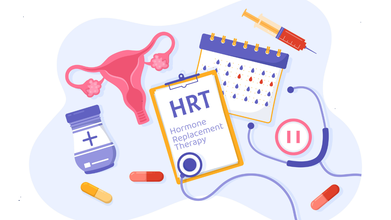
Hormone replacement therapy (HRT) can be the answer to help ease the symptoms, which are often misunderstood, under-discussed, and sometimes unnecessarily feared.
“Hormone Replacement Therapy (HRT) is an evidence-based option that helps restore hormonal balance during this transition. It is highly effective in relieving menopausal symptoms, improving quality of life,” Dr. Parjeet Kaur, Associate Director, Endocrinology & Diabetes, Medanta, Gurugram, told HealthandMe.
What Is Menopause?
Menopause marks the end of reproductive years for a woman. It occurs when a woman permanently stops menstruating.
Clinically, menopause is diagnosed after 12 consecutive months without a menstrual period.
Most women experience menopause between the ages of 45 and 55, though the transition -- called perimenopause -- can begin several years earlier.
During this time, the ovaries gradually produce less estrogen and progesterone, the hormones that regulate the menstrual cycle. This hormonal decline leads to a range of symptoms, which vary widely among women.
“Menopause is a natural part of biological ageing. It can also be due to medical or surgical procedures. Most women go into menopause between 45 and 55 years,” Dr. Shilpa Agarwal, Consultant Gynecology and Obstetrics and Fetal Medicine Expert, Jaslok Hospital and Research Centre, Mumbai.
“Menopause is caused by the loss of ovarian follicular function and, consequently, a decline in the circulating blood estrogen levels. Natural menopause is deemed to have occurred after 12 consecutive months without menstruation for which there is no other obvious physiological or pathological cause and in the absence of clinical intervention,” she added.
Common symptoms include:
- Hot flashes and night sweats
- Sleep disturbances
- Mood changes and irritability
- Vaginal dryness
- Reduced libido
- Difficulty concentrating
- Weight gain or metabolic changes
While some women experience only mild symptoms, others find that menopause significantly affects their quality of life.
More than the uncomfortable symptoms, the drop in estrogen levels raises a slew of health issues, mainly osteoporosis, heart disease, and sometimes metabolic disorders.
Although regular health checkups, balanced nutrition, and physical activity during midlife are essential to sail through, HRT can play a huge role.
What Is Hormone Replacement Therapy? How Can It Help?
Hormone replacement therapy consists mainly of female hormones, typically estrogen alone or a combination of estrogen and progesterone.
Former First Lady of the US, Michelle Obama, in her podcast in 2020, spoke candidly about her experience of hot flashes.
She described it as a "furnace turning on in her core", and a host of other issues after which she resorted to HRT to maintain her health and lifestyle during that transition.
“Hormone replacement therapy replenishes women with ovarian hormones. HRT typically combines estrogen and progesterone therapy. Progesterone is required in women with an intact uterus to prevent endometrial hyperplasia,” Dr. Agarwal said.
The medications primarily help in
- Reducing hot flashes and night sweats
- Improving sleep and mood
- Treating vaginal dryness and discomfort
- Importantly, HRT helps prevent bone loss and fractures.
Dr. Kaur said that HRT is highly effective in relieving menopausal symptoms, improving quality of life, and supporting bone health by reducing the risk of osteoporosis.
Notably, it can be used in several forms, including pills, skin patches, gels, sprays, and vaginal creams or rings.
Dr. Agarwal recommended that women start HRT within 10 years of menopause or before the age of 60 years".
The experts also advised women to keep monitoring for side effects during HRT.
For many women with moderate to severe menopausal symptoms, HRT can be highly effective.
Studies show that beyond hot flashes, improving sleep, and restoring vaginal health, hormone therapy also
leads to:
- a 25 percent to 50 percent reduction in fatal cardiovascular events,
- a 50 percent to 60 percent reduction in bone fractures,
- a 64 percent reduction in cognitive decline.
Are There Any Risks Involved?
Despite its benefits, HRT has been the subject of debate for decades. Safety concerns intensified after a major US study in the early 2000s linked certain types of hormone therapy to increased risks of breast cancer, blood clots, and stroke.
However, in 2025, the US FDA removed all misleading warnings on the therapy.
Current medical guidelines generally suggest that HRT is safest for healthy women under age 60 or within 10 years of menopause, when used at the lowest effective dose for symptom relief.
“Modern HRT, when carefully selected and monitored, is considered safe for many women. The key is individualized care -- a thoughtful discussion with your doctor can help determine the most suitable approach based on your health profile, age, and personal preferences,” Dr. Kaur said.
Still, HRT may not be advisable for women with a history of:
- Breast or endometrial cancer
- Blood clotting disorders
- Stroke or heart disease
- Certain liver diseases
For these women, non-hormonal treatments -- such as certain antidepressants, lifestyle changes, and alternative medications -- may help manage symptoms.
Menopause is a new phase of life -- and with the right information and guidance, it can be navigated confidently and comfortably, Dr. Kaur said.
From First Period to Menopause: How Your Cycle Evolves Over the Years | Women's Day Special

Considered to be a key symbol of fertility and reproductive years, a woman's menstrual cycles are an integral and natural part of her life. However, they are more than just a monthly event, but instead a reflection of their hormonal, metabolic and even emotional health.
Due to genetics and other lifestyle factors, every woman experiences their cycle differently, which leaves many second-guessing about their hormonal balance, thyroid function, metabolic health, stress levels and even sleep quality.
Dr Archana Dhawan Bajaj, Gynaecologist and IVF Expert, Nurture exclusively tells Healthandme: "Knowing these patterns would guide people to understand when the changes are normal worry and when they are upheaval of a problem. Although the cycles vary among individuals, some features of such cycles are common between individuals, including the length of the cycle, flow, symptoms, as well as consistency, which are used to determine a normal state at various ages.
Here is what you should know and keep an eye out for during each phase:
The Early Years: Finding a Rhythm
Dr Maya PL Gade, Consultant, Gynaecology & Obstetrics at Kokilaben Hospital tells Healthandme: "In the first 2–3 years after menarche i.e. your first period, irregular cycles are common. Nearly 40–50 percent of adolescents do not ovulate consistently at first. The brain–ovarian hormonal axis is still maturing, so cycles may be longer than 35 days (than their typical 28 day monthly cycle) , bleeding may be heavy and cramps can feel intense.
Dr Rohan Palshetkar, Consultant IVF Specialist, Bloom IVF also warned that bleeding for more than 7–8 days continuously, soaking pads every 1–2 hours or going more than 90 days without a period may signal hormonal imbalance, clotting disorders, or conditions like PCOS.
He told Healthandme: "It is important to note that early teen cycles often happen without ovulation. For teenage girls, developing stable cycle will take some time due to ovaries adjusting to produce hormones. It is only in their late teens and early 20s that the girls will get the cycles more regular."
Normal Menstrual Cycle: According to Dr Bajaj, a normal cycle can be between 21 and 45 days. During bleeding, flow can be light, heavy, and cramps, mood swings, or even fatigue may accompany the adaptation of the organism to the hormonal changes.
Abnormal Menstrual Cycle: The expert explained: "Extensive bleeding, which needs the replacement of sanitary items every hour to two hours, long than seven or eight days, excruciating pain, or lack of periods in several months could be a sign of hormonal imbalance, thyroid complications, or polycystic ovarian syndrome."
20s and Early 30s: The Stable Phase
Talking about the post-teenager phase, Dr Gade said: "For many women, this is when cycles become more predictable, typically every 21–35 days, with 3–7 days of bleeding. Ovulation is more regular and PMS patterns are clearer. However, this is also the stage where lifestyle has a strong impact."
"Fertility is also at its peak in the 20s and early 30s, making it easy for women in this age group to become pregnant. With childbirth and breastfeeding, the chances of cycle alteration, its flow and length are high," Dr Palshetkar added.
Dr Gade also noted that high stress, poor sleep, intense exercise, crash dieting, thyroid disorders, or PCOS can disrupt ovulation and any sudden irregularity in this decade is often the body’s early warning system. A consistently painful period is also not “normal”, it may point to endometriosis or adenomyosis, both of which are frequently underdiagnosed,"
Keeping this in mind, it is essential for girls in their 20s and early 30s to track their period for regularity and flow, Dr Palshetkar advised.
Normal Menstrual Cycle: Dr Bajaj told this publication: "The average period to undergo a cycle is 21 to 35 days at an average of three to seven days with a moderate flow. The symptoms can be mild and include bloating, cramps or breast tenderness that can be easily treated."
Abnormal Menstrual Cycle: Talking about abnormal alterations, the gynaecologist said: "Excessive menstrual bleeding, cramps that impair normal life or inter-menstrual bleeding may be some of the early signs of endometriosis, fibroids, hormonal disruption or chronic stress."
Late 30s to 40s: The Hormonal Transition
Dr Gade explained: "Fertility begins to decline gradually after 35 due to reduced ovarian reserve. Cycles may shorten initially because ovulation happens slightly earlier. As women move into perimenopause, a transition that can last 4–8 years, hormone levels fluctuate unpredictably. Estrogen doesn’t simply drop; it rises and falls unevenly.
"This explains why many women notice heavier bleeding, clotting, worsening PMS, new-onset anxiety, sleep disturbances or cycles that skip months and then return. Studies suggest that up to 90 percent of women experience noticeable cycle changes during this phase.
"Importantly, very heavy bleeding at this stage should not be ignored. It can sometimes be linked to fibroids, endometrial thickening, or other structural changes in the uterus."
Moreover, Dr Palshetkar also warned: "For some, there is a noticeable and increasing gap between periods before menopause. Fertility decline is a reality in the age group, though it is not impossible to get pregnant.
Normal Menstrual Cycle: Dr Bajaj elaborated to Healthandme: "The hormonal shifts at this age may make the cycles a bit shorter or longer. Flow can either become thicker or thinner and premenstrual symptoms can be more pronounced as the body slowly transitions into perimenopause."
Abnormal Menstrual Cycle: Additionally, she said: "Very heavy bleeding, very prolonged intervals between the periods, bleeding following intercourse or sudden spotting between menstruation may be considered an issue, as these can be indicators of hormonal disorders, the presence of fibroids, or other gynecological problems."
Menopause: A New Baseline
Ultimately, Dr Gade detailed: "Menopause is diagnosed after 12 consecutive months without a period, with the average age globally around 50–51 years. Hormone levels stabilize at lower levels, and while periods stop, symptoms like hot flashes, vaginal dryness, bone density changes, and metabolic shifts may appear."
"Post-menopause, a woman’s reproductive health sees a significant decline of estrogen levels, fertility, and inability to produce any eggs. However, it still sees noticeable hormonal fluctuations and resultant health troubles.
"Facing PMS-like symptoms like mood swings and irritability is not uncommon. Medical attention is required when women notice severe pain or very heavy bleeding at
any age after menopause.
"The changes and evolution in the menstrual cycles are proof of her complete health during the course of the life she lives. And it impacts the way she lives or can live through her lifetime," Dr Palshetkar added.
Normal Menstrual Cycle: Lastly, Dr Bajaj said: "Prior to menopause, the cycles can become irregular since of the hormonal fluctuations and some symptoms like hot flushes, sleeping problems or mood swings can appear."
Abnormal Menstrual Cycle: While she noted that slight spotting is possible post-menopause due to fluctuations in estrogen and progesterone levels, the expert advised: "Post-menopausal vaginal bleeding is regarded as abnormal and needs to be medically examined because it may be due to underlying health conditions that must be addressed."
- Follow Us :


© 2024 Bennett, Coleman & Company Limited