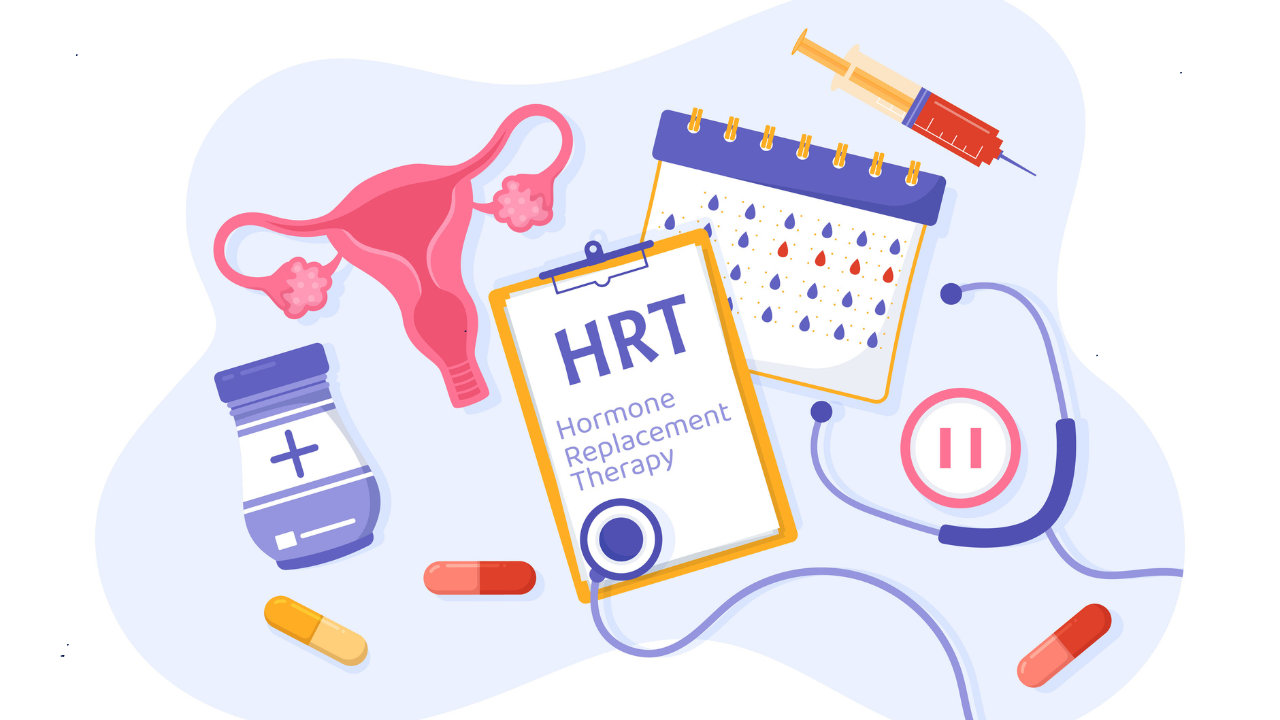
The 20th-century modernist writer Virginia Woolf, in her book 'Mrs Dalloway', published in 1925, described her 52-year-old protagonist Clarissa Dalloway feeling “shriveled, aged, breastless”, during menopause. Even after decades, the experience continues to remain widely relatable for scores of women worldwide.In January this year, author Twinkle Khanna compared menopause to “a phone with a faulty charger.” Several other celebrities, namely Naomi Watts, Oprah Winfrey, Gwyneth Paltrow, and Angelina Jolie, have voiced out their concerns and frustration that women face during the transition.Menopause is a natural transition in a woman’s life, typically occurring between the ages of 45 and 55. But for millions of women around the globe, its symptoms, which range from hot flashes to night sweats to mood changes and sleep variations, can wreak havoc, affecting professional life, relationships, and physical and mental health. Hormone replacement therapy (HRT) can be the answer to help ease the symptoms, which are often misunderstood, under-discussed, and sometimes unnecessarily feared. “Hormone Replacement Therapy (HRT) is an evidence-based option that helps restore hormonal balance during this transition. It is highly effective in relieving menopausal symptoms, improving quality of life,” Dr. Parjeet Kaur, Associate Director, Endocrinology & Diabetes, Medanta, Gurugram, told HealthandMe. What Is Menopause? Menopause marks the end of reproductive years for a woman. It occurs when a woman permanently stops menstruating. Clinically, menopause is diagnosed after 12 consecutive months without a menstrual period. Most women experience menopause between the ages of 45 and 55, though the transition -- called perimenopause -- can begin several years earlier. During this time, the ovaries gradually produce less estrogen and progesterone, the hormones that regulate the menstrual cycle. This hormonal decline leads to a range of symptoms, which vary widely among women. “Menopause is a natural part of biological ageing. It can also be due to medical or surgical procedures. Most women go into menopause between 45 and 55 years,” Dr. Shilpa Agarwal, Consultant Gynecology and Obstetrics and Fetal Medicine Expert, Jaslok Hospital and Research Centre, Mumbai. “Menopause is caused by the loss of ovarian follicular function and, consequently, a decline in the circulating blood estrogen levels. Natural menopause is deemed to have occurred after 12 consecutive months without menstruation for which there is no other obvious physiological or pathological cause and in the absence of clinical intervention,” she added. Common symptoms include: Hot flashes and night sweats Sleep disturbances Mood changes and irritability Vaginal dryness Reduced libido Difficulty concentrating Weight gain or metabolic changesWhile some women experience only mild symptoms, others find that menopause significantly affects their quality of life. More than the uncomfortable symptoms, the drop in estrogen levels raises a slew of health issues, mainly osteoporosis, heart disease, and sometimes metabolic disorders. Although regular health checkups, balanced nutrition, and physical activity during midlife are essential to sail through, HRT can play a huge role. What Is Hormone Replacement Therapy? How Can It Help?Hormone replacement therapy consists mainly of female hormones, typically estrogen alone or a combination of estrogen and progesterone. Former First Lady of the US, Michelle Obama, in her podcast in 2020, spoke candidly about her experience of hot flashes.She described it as a "furnace turning on in her core", and a host of other issues after which she resorted to HRT to maintain her health and lifestyle during that transition.“Hormone replacement therapy replenishes women with ovarian hormones. HRT typically combines estrogen and progesterone therapy. Progesterone is required in women with an intact uterus to prevent endometrial hyperplasia,” Dr. Agarwal said. The medications primarily help in Reducing hot flashes and night sweats Improving sleep and mood Treating vaginal dryness and discomfort Importantly, HRT helps prevent bone loss and fractures. Dr. Kaur said that HRT is highly effective in relieving menopausal symptoms, improving quality of life, and supporting bone health by reducing the risk of osteoporosis. Notably, it can be used in several forms, including pills, skin patches, gels, sprays, and vaginal creams or rings. Dr. Agarwal recommended that women start HRT within 10 years of menopause or before the age of 60 years". The experts also advised women to keep monitoring for side effects during HRT. For many women with moderate to severe menopausal symptoms, HRT can be highly effective.Studies show that beyond hot flashes, improving sleep, and restoring vaginal health, hormone therapy also leads to:a 25 percent to 50 percent reduction in fatal cardiovascular events, a 50 percent to 60 percent reduction in bone fractures, a 64 percent reduction in cognitive decline.Are There Any Risks Involved? Despite its benefits, HRT has been the subject of debate for decades. Safety concerns intensified after a major US study in the early 2000s linked certain types of hormone therapy to increased risks of breast cancer, blood clots, and stroke. However, in 2025, the US FDA removed all misleading warnings on the therapy.Current medical guidelines generally suggest that HRT is safest for healthy women under age 60 or within 10 years of menopause, when used at the lowest effective dose for symptom relief. “Modern HRT, when carefully selected and monitored, is considered safe for many women. The key is individualized care -- a thoughtful discussion with your doctor can help determine the most suitable approach based on your health profile, age, and personal preferences,” Dr. Kaur said. Still, HRT may not be advisable for women with a history of: Breast or endometrial cancer Blood clotting disorders Stroke or heart disease Certain liver diseasesFor these women, non-hormonal treatments -- such as certain antidepressants, lifestyle changes, and alternative medications -- may help manage symptoms. Menopause is a new phase of life -- and with the right information and guidance, it can be navigated confidently and comfortably, Dr. Kaur said.