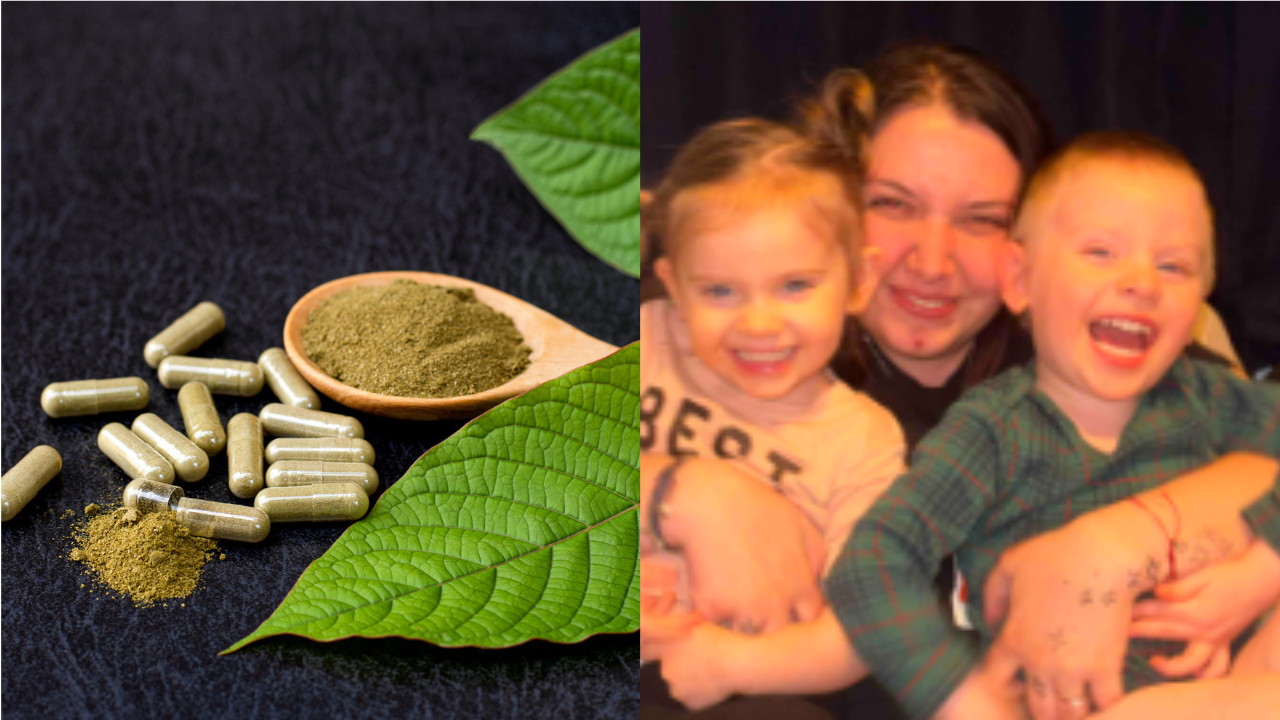
A 27-year-old woman in US' state of Arizona suffered a cardiac arrest after using kratom, an over-the-counter supplement she purchased at a local gas station. Amanda Goodsell, who had never taken kratom before, suffered a cardiac arrest after nearly a week of using the supplement and is now on life support, according to her family. The mother of 3½-year-old twins tried the kratom gummies at the suggestion of her husband, Mike Goodsell, while seeking relief from persistent leg pain. “Everybody knew what Kratom was. So I was like, well, okay, well, here, just take this. You could just buy it at the gas station. It’s not going to hurt you,” Mike Goodsell was quoted as saying to the media. Nearly a week later, Mike found his wife unresponsive in their bed, and rushed her to the hospital, where she was placed on life support “She like, was like red and her lips were blue, and she was foaming. So I like jumped out of bed. I grabbed her, and then (I) was trying to wake her up,” he said. “They had to have her on a ventilator to help her breathe. And then they had to put her on a bunch of medications because her heart percentage was at 15%,” Mike added. After spending two weeks in the hospital, Amanda Goodsell's condition began to improve. Although she has shown significant improvement, as per the doctors she will need a defibrillator and heart medication for the rest of her life. Also read: Legionnaires' Disease Claims 5th Life In New York City: Health Officials What Is Kratom? Kratom is a plant-based substance derived from the Mitragyna speciosa tree, native to Southeast Asia. Traditionally used in countries such as Thailand and Malaysia for pain relief and increased energy, it has gained popularity in the US as an over-the-counter supplement. Kratom is sold in multiple forms, including powders, capsules, teas, drinks and gummies. Although it remains legal in many parts of the US, the Food and Drug Administration (FDA) has classified kratom as a "drug of concern" and has not approved it for any medical use. According to the Substance Abuse and Mental Health Services Administration's National Survey on Drug Use and Health, an estimated 1.7 million Americans aged 12 and older used kratom in 2021. The substance, sometimes referred to as "gas-station heroin," is banned in at least eight US states—Alabama, Arkansas, Connecticut, Indiana, Louisiana, Tennessee, Vermont and Wisconsin. Several other states, including Iowa and Idaho, are considering restrictions or outright bans. Why Does The FDA Warn Against Kratom? Read More: Hantavirus Claims 3 Lives In Venezuela: What The Rat-borne Virus Does To The BrainAccording to a University of Virginia study, there were 43 hospitalizations linked solely to kratom in 2015. By 2025, that number had risen to 538. Researchers said the increase coincided with the emergence of highly concentrated synthetic products, including 7-OH. The FDA has stated that kratom should not be used as a dietary supplement. "Kratom is not appropriate for use as a dietary supplement. FDA has concluded from available information, including scientific data, that kratom is a new dietary ingredient for which there is inadequate information to provide reasonable assurance that such ingredient does not present a significant or unreasonable risk of illness or injury." The agency has warned consumers not to use kratom because of the risk of serious adverse events, including liver toxicity, seizures and substance use disorder (SUD). The FDA also notes that, in rare cases, deaths have been associated with kratom use, although these cases usually involved other drugs and the contribution of kratom remains unclear. The agency is also aware of cases involving neonatal abstinence syndrome, in which newborns experienced withdrawal symptoms such as jitteriness, irritability and muscle stiffness following prolonged exposure to kratom during pregnancy.