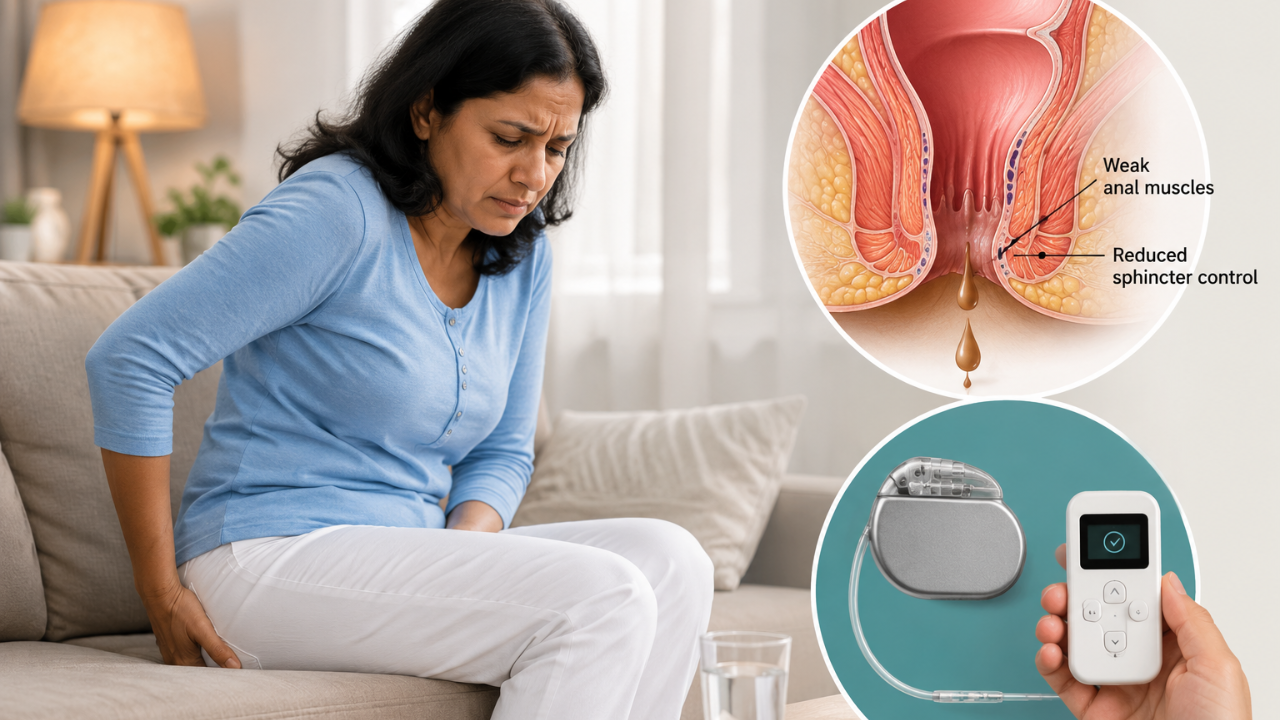
Anal incontinence affects millions of people worldwide, yet it remains one of the least discussed medical conditions because of embarrassment and social stigma. Fortunately, treatment options have evolved dramatically over the past decade, moving beyond pads and surgery toward effective, minimally invasive therapies.The first step is identifying the underlying cause. Diabetes-related autonomic neuropathy, childbirth injury, ageing, pelvic surgery, neurological disorders, chronic constipation, and pelvic floor weakness are among the common causes. Modern management focuses on treating both the underlying disease and the pelvic floor dysfunction.Lifestyle Changes Can Help Reduce LeakageLifestyle modification remains the cornerstone of treatment. Optimizing bowel consistency through dietary fiber, hydration, and appropriate medications reduces episodes of leakage. Patients should also avoid foods that trigger diarrhea and maintain regular bowel habits.Pelvic floor rehabilitation has become the standard first-line therapy. Kegel exercises, when performed correctly and consistently, strengthen the external anal sphincter and pelvic floor muscles, improving continence. However, many patients struggle to identify or contract the correct muscles effectively.Also read: Researchers Are 'Stunned' By How Quickly Children’s Lungs Improved After London Cut Traffic PollutionHIFEM Chair Therapy: A Newer Non-Invasive OptionThis is where HIFEM (High-Intensity Focused Electromagnetic) chair therapy has emerged as an exciting advancement. HIFEM technology stimulates the pelvic floor muscles through powerful electromagnetic energy, producing thousands of supramaximal contractions during a single 30-minute session. These contractions are far stronger than voluntary exercises, helping rebuild muscle strength, improve neuromuscular coordination, and enhance continence. Patients remain fully clothed during treatment, making it comfortable, painless, and non-invasive.Also read: Rare Inflammatory Disease Mimicked TB In Vizag Man For 6 Years: What Is Kikuchi-Fujimoto Disease?How Biofeedback Therapy Can Improve Muscle ControlBiofeedback therapy is another valuable option. Using sensors and visual feedback, patients learn to improve pelvic floor coordination and rectal sensation, particularly when nerve function is partially preserved.For patients who fail conservative measures, advanced interventions such as sacral nerve stimulation, injectable bulking agents, tibial nerve stimulation, or sphincter repair surgery may be considered. These treatments are usually reserved for carefully selected patients after specialist evaluation.In patients with diabetes, optimal glycemic control is equally important because persistent hyperglycemia accelerates autonomic nerve damage. Improving glucose control may slow progression and enhance response to pelvic floor therapy. Bowel Leakage Should Not Be Considered “Normal”The future of anal incontinence management lies in early diagnosis, recognition of autonomic dysfunction, pelvic floor strengthening, and personalized therapy. Patients should be encouraged to seek medical attention because bowel leakage is neither an inevitable part of ageing nor something that must simply be tolerated. Modern medicine offers multiple effective solutions that can restore confidence, independence, and quality of life.By Dr. Rajiv Kovil, Diabetes & Obesity Specialist, S L Raheja Hospital