
- Health Conditions A-Z
- Health & Wellness
- Nutrition
- Fitness
- Health News
- Ayurveda
- Videos
- Medicine A-Z
- Parenting
Combination Birth Control Pills Could Block Blood Flow To Your Brain
Credits: Canva
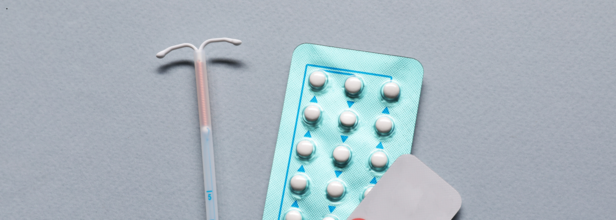
A new study published in the British Medicine Journal linked the commonly prescribed birth control pills leading to a doubling of the relative risk of heart attack and stroke. The research is titled Stroke and Myocardial Infarction with Contemporary Hormonal Contraception: Real-World, Nationwide, Prospective Cohort Study. It also found that vaginal rings and even skin patches had used the same combination of hormones that pose similar health risks. However, the study too pointed that while these risks are significant, what needs to be taken in account is that the absolute risk to any individual woman remains low.
What did the study find?
The study was conducted by Danish researchers and was led by Dr. Harman Yonis from Nordsjaellands Hospital in Denmark, analyzed national prescription records from over 2 million Danish women aged 15 to 49, tracked from 1996 to 2021. The study aimed to determine the association between different forms of hormonal contraception and the first-time occurrence of heart attacks and ischemic strokes (the most common type of stroke, caused by a clot blocking blood flow to the brain).
Women with pre-existing conditions such as blood clot history, cancer, liver or kidney disease, polycystic ovary syndrome (PCOS), endometriosis, or those undergoing infertility treatment were excluded to ensure clearer results.
The Findings:
- Women who were taking combination estrogen and progestin had twice the relative risk of ischemic stroke of heart attack.
- Vaginal rings and skin patches also contain estrogen and progestin, which raised the risk of ischemic stroke by 2.4 times and heart attack by 3.8 times.
- Progestin-only pills and implants slightly increased the risk but not as much as the combination pills.
- Dual-hormone skin patches also increased the risk of ischemic stroke by 3.4 times.
- The progestin-only intrauterine device or IUD was the only hormonal contraceptive that showed no increased risk of cardiovascular issues, even with its prolonged use.
What Does It Mean For Contraceptive Users?
While these data imply a significant rise in relative risk, it is critical to understand the absolute numbers. For example, taking an estrogen/progestin tablet raises the risk of one stroke every 4,760 women per year and one heart attack per 10,000 women. Thus, while the danger exists, it is low on an individual level.
Dr. Yonis and his team emphasize that practitioners should be aware of the danger of arterial thrombosis (blood clots) when administering hormonal contraception. Women with pre-existing risk factors, such as high blood pressure, diabetes, or smoking, should consider other contraception methods.
Similar Findings Earlier
There have been similar studies found before that highlighted how combination birth control pills, patches or vaginal rings led to a higher risk of blood clots in women, especially deep vein thrombosis and pulmonary embolism. Research too showed that birth control pills that contained drospirenone, which is a type of progestin led to a higher risk of venous thromboembolism. Another 2018 JAMA Cardiology study found that long-term use of hormonal contraception could increase the risk of hypertension.
Rabies Pre-Exposure Prophylaxis Vaccine Can Protect You Even Before A Dog Bite—Here’s How
Credits: Canva
Rabies is a fatal viral disease that spreads to humans through the saliva of infected animals. It targets the central nervous system, and nearly 99 percent of human cases are linked to infected dogs. A recent *Lancet* study found that about 5,726 people still die from rabies each year, even though overall deaths have declined over time. This is why prompt medical care after a dog bite or scratch is critical. Most people believe the rabies vaccine taken after a bite is enough. What many do not realise is that a pre-exposure prophylaxis vaccine is also available and can be taken even before a bite occurs. So why does this vaccine matter, and how does it actually protect you?
What Is A Rabies Pre Exposure Prophylaxis Vaccine?
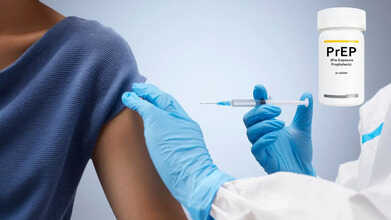
A rabies pre-exposure prophylaxis, or PrEP, vaccine involves a set of shots given before any possible contact with the rabies virus. It is mainly recommended for people at higher risk, such as veterinarians, animal handlers, laboratory workers, and travellers visiting regions where rabies is common. While PrEP does not remove the need for treatment after a bite, it makes post-exposure care simpler. People who have received PrEP need fewer follow-up injections and do not require rabies immunoglobulin, which can be hard to access in emergencies and may save crucial time.
How Can Rabies Pre Exposure Prophylaxis Vaccine Protect You?
According to Dr Deepa Aggarwal, who shared insights on her Instagram account, the rabies pre-exposure prophylaxis vaccine prepares the immune system in advance. It helps the body develop antibodies before any exposure occurs. If a vaccinated person is bitten later, they need only two booster shots and no immunoglobulin. The immune response is quicker, lowering the risk of the virus spreading to the brain. This is especially important for people at high risk or in situations where medical treatment may be delayed.
Rabies Pre Exposure Prophylaxis Vaccine: How It Works?
- Introduces Antigens: The vaccine contains an inactivated form of the rabies virus, which safely exposes the body to its antigens.
- Builds Memory: The immune system learns to recognise these antigens and creates antibodies along with memory cells.
- Rapid Response on Exposure: If exposure happens later, these memory cells act fast, producing antibodies that stop the virus before it can cause infection.
CDC Guidelines On Rabies Pre Exposure Prophylaxis Vaccine
The Advisory Committee on Immunization Practices, or ACIP, has updated its recommendations for rabies PrEP.
- A two-dose PrEP schedule has now replaced the earlier three-dose schedule and offers protection for up to three years. Options for maintaining protection beyond three years are also outlined on their website.
- The minimum antibody level used to decide whether a booster is needed has been revised and standardised.
- Many people who previously needed antibody testing every two years now require only a one-time titer check, followed by a booster if levels are low, or in some cases, just a one-time booster.
Who Should Get The Rabies Pre Exposure Prophylaxis Vaccine?
While the vaccine can benefit anyone, rabies pre-exposure prophylaxis is mainly advised for people with frequent or high risk of exposure. This includes veterinarians, animal handlers, wildlife workers, laboratory staff, and travellers to areas where rabies is widespread. The vaccine makes treatment after a bite easier by reducing the number of shots required. However, health authorities stress that while PrEP offers protection, it does not replace full post-exposure treatment after a confirmed bite, as advised by the CDC and WHO.
Is Delhi's Toxic Air Making Your Period Cramps More Painful? Here's What Study Says
Credits: iStock
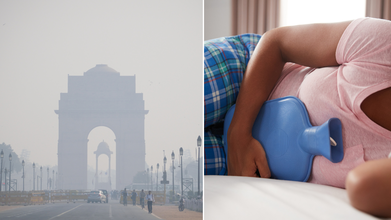
Air quality in Delhi remains toxic, despite the GRAP !V measures implemented in the national capital. Today, Delhi recorded an AQI of 358, this remains under 'very poor'. As per the Central Pollution Control Board (CPCB), the AQI was recorded at 442 in Ghazipur, 409 in ITO, and 447 in Palam, all under 'severe' category.
While we have long known that pollution impacts lung and respiratory health, but it can impact beyond that, including causing severe menstrual cramps.
What Proves That Air Pollution Impacts Menstrual Cramps?
A study published in Frontiers in Public Health, explored the data of 2,96,078 women and girls between the age of 16 to 55 years in Taiwan and correlated it with the long-term air pollution data between 2000 and 2013. None of these women had any history of dysmenorrhea before the survey had began. Dysmenorrhea is a common gynaecological condition that impacts 16 to 91% of people in their reproductive age. The signs and symptoms include painful and severe periods that are results of hormonal imbalances.
The results showed that during the 13 years, 4.2% women and girls were diagnosed with dysmenorrhea for the first time. The study concluded that risk of developing dysmenorrhea was up to 33 times higher among women and girls who lived in areas with the highest levels of air pollutants.
Professor Hsu, who conducted the study said, "Our results demonstrate the major impact of the quality of air on human health in general, here specifically on the risk of dysmenorrhea in women and girls."
The pollutants in questions are nitrogen oxide, nitric oxide, nitrogen dioxide, carbon monoxide, and particle smaller than 2.5 µm in diameter (PM2.5).
How Air Pollution Shapes Menstrual Health - Its Impact
The public health impact of air pollution is more layered and gendered than it often appears. Over the years, a growing body of research has begun to link polluted air with menstrual health problems. A 2018 study found that teenage girls exposed to higher air pollution were more likely to experience irregular periods and took longer to develop regular cycles during adolescence and early adulthood. Other studies have connected air pollution with longer menstrual cycles, increased stress, reproductive health issues, and even changes observed during lockdown periods. Conditions such as infertility, metabolic syndrome, and polycystic ovary syndrome have also been associated with prolonged exposure to polluted air.
These findings challenge the idea that menstrual health is purely biological. Instead, it is deeply influenced by social and environmental conditions, including income levels and where a person lives. In the present study, researchers observed that younger women, women from lower-income backgrounds, and those living in highly urbanised areas faced a higher risk of developing dysmenorrhea or painful periods. Among all factors studied, long-term exposure to high levels of PM2.5 emerged as the strongest contributor. PM2.5 refers to fine, inhalable particles commonly found in polluted air that can penetrate deep into the body.
The concern becomes sharper in the Indian context. In 2019, India recorded the highest PM2.5 levels globally. The study highlights clear differences in menstrual experiences between women and girls living in urban versus rural areas. Those in low-income and densely populated urban regions, where exposure to air pollution is often highest, showed a significantly greater risk of dysmenorrhea.
This health burden is further compounded by period poverty, which continues to affect large sections of rural India and many other countries. Limited access to sanitary products, lack of awareness, and social stigma mean that many girls and women already miss school and work during their periods. Increased menstrual pain linked to environmental factors like air pollution only deepens these challenges.
A 2017 study underlined the importance of identifying environmental influences on the menstrual cycle from a public health perspective, noting potential long-term consequences such as infertility, reproductive cancers, osteoporosis, and metabolic disorders.
Using An Air Purifier At Home? Pulmonologist Warns These 5 Common Mistakes Could Put Your Lungs At Risk

Credits: Canva
With winter setting in, Delhi and the NCR are once again dealing with a sharp rise in air pollution, with AQI levels often slipping into the “very unhealthy” category. Hazy mornings, dense smog, and a steady increase in breathing problems have made clean air feel out of reach for many residents. As a result, people are relying more on air purifiers indoors and masks outdoors.
Still, not everyone knows how to use these measures correctly. We spoke to pulmonologist Dr. Vijay Kumar Agrawal, Director of Pulmonology and Critical Care at Yatharth Super Speciality Hospital, Faridabad, who shared a few important points that can help protect your lungs even inside your home.
What Is An Air Purifier?
An air purifier is a device designed to improve indoor air quality by filtering out pollutants such as dust, pollen, pet hair, smoke, and mold spores. It works by pulling air through filters like HEPA or activated carbon, or by using certain technologies, and then releasing cleaner air back into the room.
This process can help reduce triggers for allergies and asthma and make breathing easier. While air purifiers are particularly helpful for people with respiratory conditions, growing pollution levels have made them a common household choice even among otherwise healthy individuals. That said, simply owning an air purifier is not enough. There are a few key things you should keep in mind while using one.
Select Air Purifier With HEPA Filter Only
Dr. Agrawal advises choosing an air purifier that uses a HEPA filter. Many people unknowingly use air purifier that release ozone or free radicals, which can increase the risk of breathing problems, irritation, coughing, and shortness of breath. According to him, “Air purifiers with HEPA filters are ozone-free and safer because they do not emit harmful particles or ozone into the air.”
Always Maintain An Ideal Indoor Humidity Level- 40-50%
To reduce the impact of viruses, indoor pollutants, and dryness on the body, it is best to maintain indoor relative humidity between about 40% and 60%. Dr. Agrawal explains that excessive use of air purifiers can lower humidity levels indoors, leading to dryness. “Low humidity can irritate the airways and may worsen respiratory issues,” he says.
Keep Your Air Purifier 2-6 ft Away From You
Experts recommend keeping an air purifier at a distance of around 2 to 6 feet from where you sit or sleep. Placing it within this range helps clean the air more effectively in your breathing zone, especially in spaces like bedrooms or offices. Dr. Agrawal notes, “Keeping the air purifier at an appropriate distance helps reduce PM2.5 and PM10 levels, along with other particles such as pollen, mold spores, and certain bacteria around us.”
Dont Burn Incense Sticks And Mosquito Coils With An Air Purifier In The Room
In many Indian households, burning incense sticks or mosquito coils indoors is common. However, these release chemical irritants that can be harmful to the lungs. Using them in the same room as an air purifier defeats the purpose of cleaner air and should be avoided.
Dont Tightly Close Windows And Doors
Proper ventilation is still important, even when using an air purifier. Dr. Agrawal recommends keeping at least one window or a small door slightly open to allow fresh air exchange. This helps ensure a supply of oxygen from outside and prevents indoor air from becoming stale.
Dr. Agrawal adds that while using an air purifier is generally safe and even long-term use is not harmful, following these precautions is essential to truly protect your lungs and maintain healthier air indoors.
- Follow Us :


© 2024 Bennett, Coleman & Company Limited