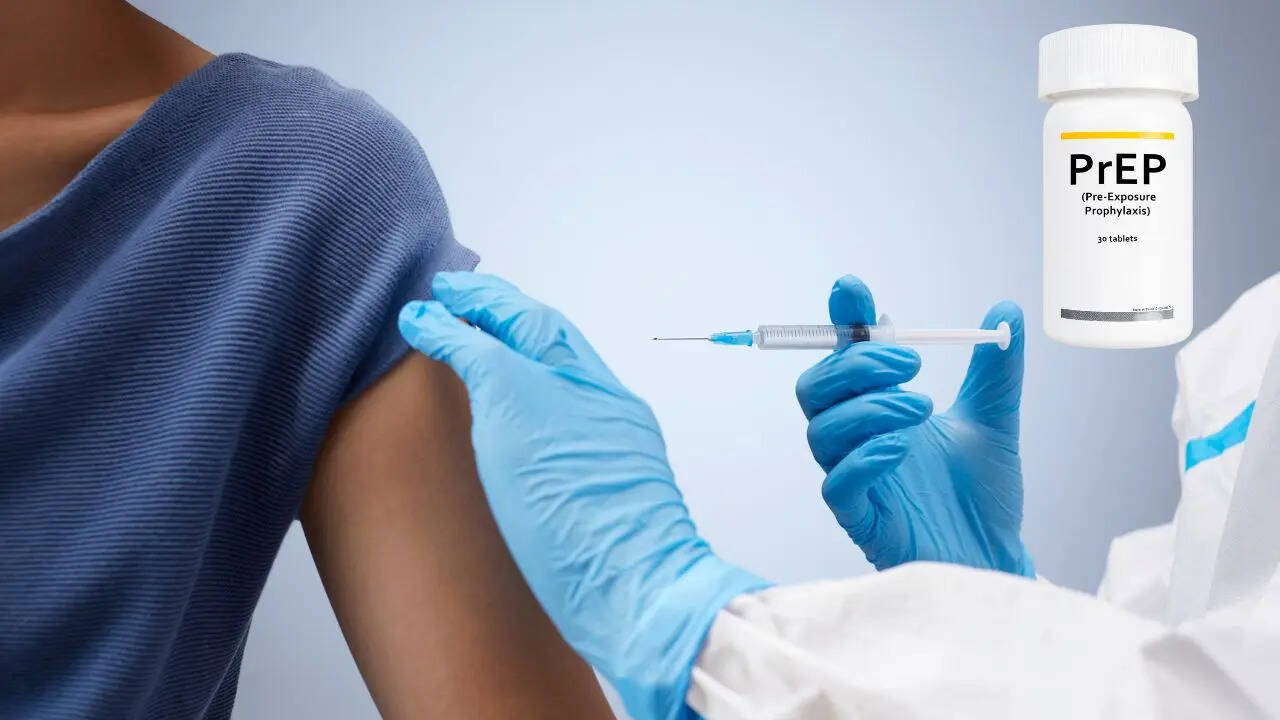
Rabies is a fatal viral disease that spreads to humans through the saliva of infected animals. It targets the central nervous system, and nearly 99 percent of human cases are linked to infected dogs. A recent *Lancet* study found that about 5,726 people still die from rabies each year, even though overall deaths have declined over time. This is why prompt medical care after a dog bite or scratch is critical. Most people believe the rabies vaccine taken after a bite is enough. What many do not realise is that a pre-exposure prophylaxis vaccine is also available and can be taken even before a bite occurs. So why does this vaccine matter, and how does it actually protect you?What Is A Rabies Pre Exposure Prophylaxis Vaccine?A rabies pre-exposure prophylaxis, or PrEP, vaccine involves a set of shots given before any possible contact with the rabies virus. It is mainly recommended for people at higher risk, such as veterinarians, animal handlers, laboratory workers, and travellers visiting regions where rabies is common. While PrEP does not remove the need for treatment after a bite, it makes post-exposure care simpler. People who have received PrEP need fewer follow-up injections and do not require rabies immunoglobulin, which can be hard to access in emergencies and may save crucial time.How Can Rabies Pre Exposure Prophylaxis Vaccine Protect You?According to Dr Deepa Aggarwal, who shared insights on her Instagram account, the rabies pre-exposure prophylaxis vaccine prepares the immune system in advance. It helps the body develop antibodies before any exposure occurs. If a vaccinated person is bitten later, they need only two booster shots and no immunoglobulin. The immune response is quicker, lowering the risk of the virus spreading to the brain. This is especially important for people at high risk or in situations where medical treatment may be delayed.Rabies Pre Exposure Prophylaxis Vaccine: How It Works?Introduces Antigens: The vaccine contains an inactivated form of the rabies virus, which safely exposes the body to its antigens.Builds Memory: The immune system learns to recognise these antigens and creates antibodies along with memory cells.Rapid Response on Exposure: If exposure happens later, these memory cells act fast, producing antibodies that stop the virus before it can cause infection.CDC Guidelines On Rabies Pre Exposure Prophylaxis VaccineThe Advisory Committee on Immunization Practices, or ACIP, has updated its recommendations for rabies PrEP.A two-dose PrEP schedule has now replaced the earlier three-dose schedule and offers protection for up to three years. Options for maintaining protection beyond three years are also outlined on their website.The minimum antibody level used to decide whether a booster is needed has been revised and standardised.Many people who previously needed antibody testing every two years now require only a one-time titer check, followed by a booster if levels are low, or in some cases, just a one-time booster.Who Should Get The Rabies Pre Exposure Prophylaxis Vaccine?While the vaccine can benefit anyone, rabies pre-exposure prophylaxis is mainly advised for people with frequent or high risk of exposure. This includes veterinarians, animal handlers, wildlife workers, laboratory staff, and travellers to areas where rabies is widespread. The vaccine makes treatment after a bite easier by reducing the number of shots required. However, health authorities stress that while PrEP offers protection, it does not replace full post-exposure treatment after a confirmed bite, as advised by the CDC and WHO.