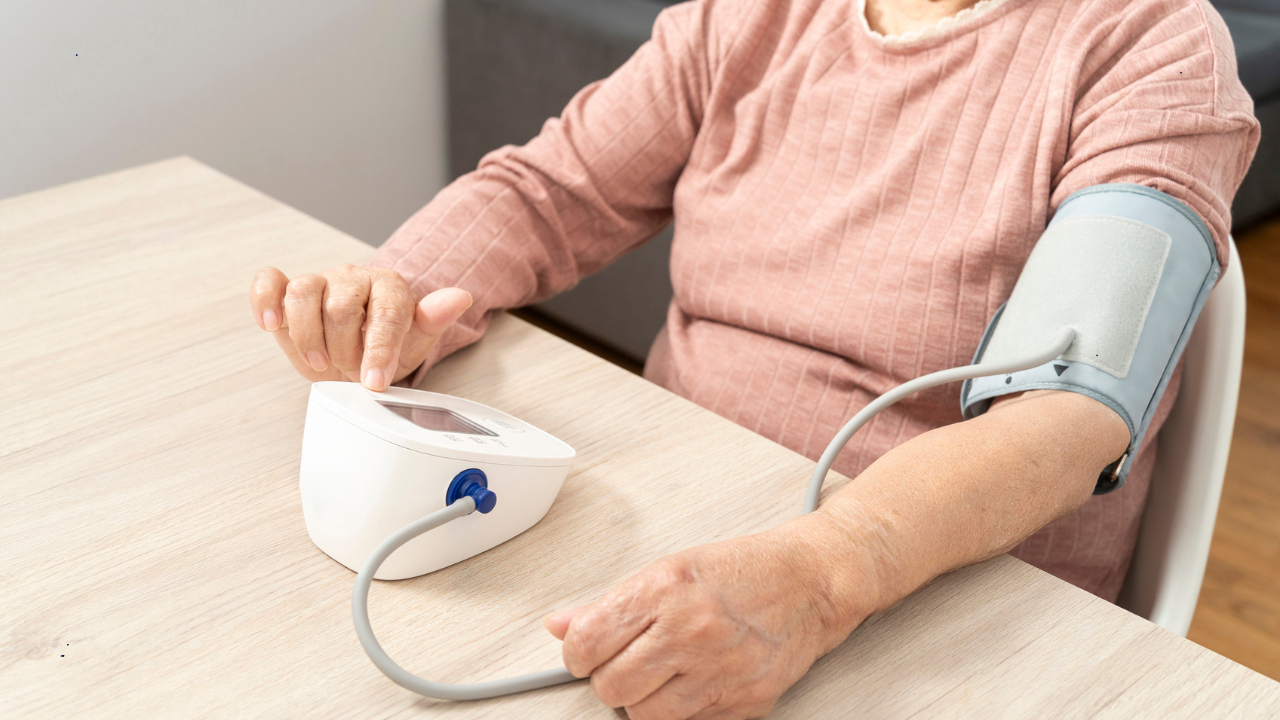
Every morning, millions begin their day with a quick breakfast and blood pressure (BP) medication swallowed mechanically. But what happens when BP remains uncontrolled despite medicines? Uncontrolled hypertension is one of the most underestimated health threats. Often called the silent killer, it quietly damages the heart, brain, kidneys, and blood vessels.The BP reading on the cuff captures only a visible measurement. BP that remains above goal over time despite treatment is concerning. Hypertension affects approximately 1.4 billion adults worldwide. Studies suggest that almost 54% of Indian patients have uncontrolled hypertension even while taking ≥2 medications. Thus, treatment does not necessarily mean control.Why Does BP Control Matter? Global organizations recommend stricter BP targets, aiming for readings below 130/80 mmHg or even 120 mmHg if tolerated. Studies show that each 10 mmHg reduction in systolic BP can decrease the risk of major cardiovascular events by 20%, stroke by 27%, heart failure by 28%, and death by 13%. On the other hand, uncontrolled hypertension increases the risk of heart attacks, strokes, heart failure, end-stage kidney disease, type 2 diabetes, and death.But What If The Numbers Don’t Change Despite Medication? In persistently uncontrolled hypertension that other causes cannot explain, a hidden culprit called aldosterone is an under-recognized driver. Normally, aldosterone balances sodium and water to regulate BP. However, in patients with uncontrolled hypertension, aldosterone production may remain abnormally high, causing sodium and fluid buildup, increasing BP. Approximately 30% of patients with hypertension may have aldosterone dysregulation, and patients with resistant hypertension, obesity, type 2 diabetes, sleep apnea, and hypokalemia are at greater risk. Nearly 10–20% of patients with hypertension are treatment resistant, increasing their risk. In these patients, aldosterone dysregulation could be an important cause.It is time to look beyond the cuff, as uncontrolled hypertension is a chronic, progressive, and often silent condition with serious consequences. Improving patient outcomes requires greater urgency, earlier intervention, better treatment optimization, and stronger awareness of underlying drivers such as aldosterone. It is time to identify and treat the root causes of uncontrolled hypertension, so that patients can regain lasting BP control.