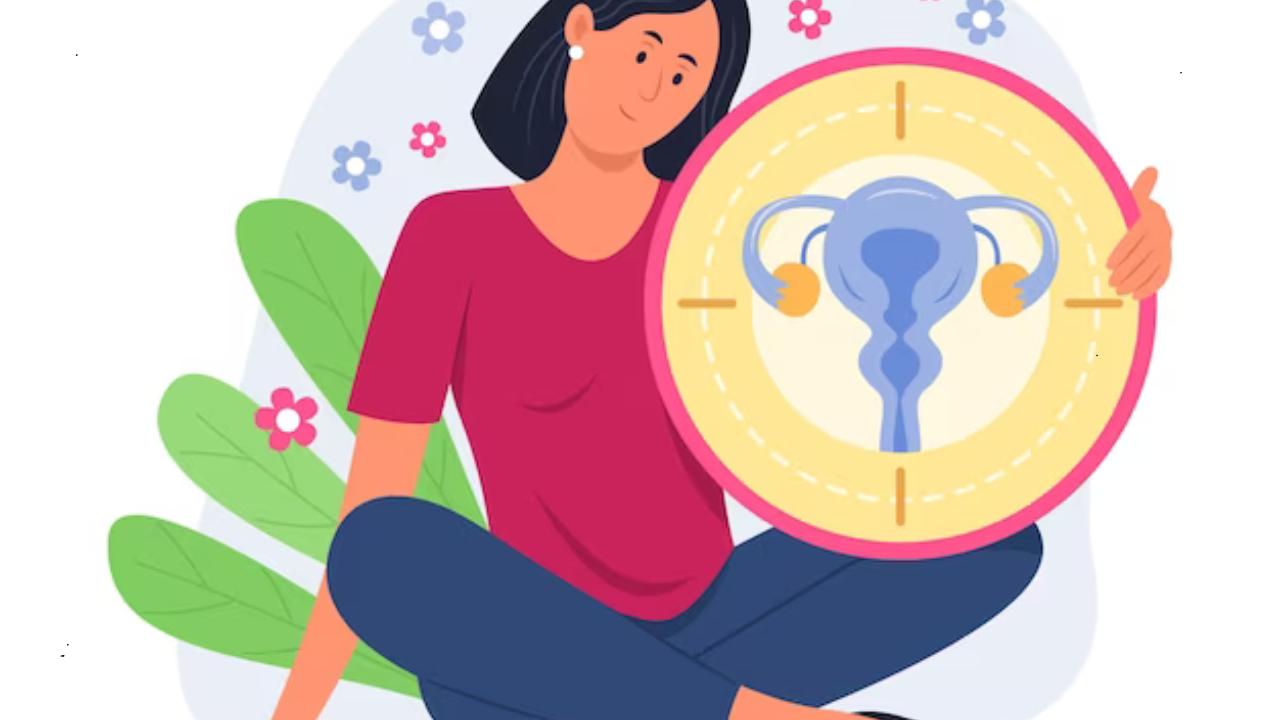
With modern lifestyle changes, delayed childbearing, and other factors, infertility among Indians as young as 25 has become a looming public health concern for the country. However, the issue does not stop at the present.A recent study published by The Menopause Society in their journal Menopause found that infertility may lead to earlier menopause, raising questions about the long-term reproductive health implications of this demographic shift.What is Menopause?Menopause is the final stage of a woman’s reproductive lifecycle, when menstruation stops, and she can no longer get pregnant. When the ovaries stop producing estrogen and progesterone, and a woman misses her period for 12 consecutive months, she has officially reached menopause.Although menopause is a regular part of ageing, women typically reach menopause between 45 and 55 years of age. If menopause occurs before age 45, it is considered early menopause. If it occurs before 40, it is termed premature menopause – rarer than early menopause but involves the same causes, symptoms, and health risks.While previous studies have been conducted to find a link between infertility and both early and premature menopause, they have had mixed results and did not consider the effect of different types of infertility; this study focuses on women with a history of primary infertility, women who have never achieved pregnancy, and have difficulty conceiving.What Did the Study Find?For the study, researchers examined the reproductive lifecycle of nearly 700 women in the U.S. – 461 with primary infertility and 530 without infertility – who were otherwise demographically similar (age, education, smoking status, etc.). It found that the 461 women had a 25% higher likelihood of reaching natural menopause about 1.2 years earlier than the 530.Researchers also noted that women with underlying endometriosis as a cause of their infertility reached menopause between 40 and 44 years, much sooner than the national average of the United States, i.e., 52 years.Possible explanations include accelerated ovarian ageing, reduced ovarian reserve, or the effects of endometriosis on ovarian function. But no matter the causes, the implications for women’s long-term health are substantial.Why Does This Matter?All women are born with a finite, predetermined number of eggs, which are sensitive to age, environmental toxins, medications, hormonal imbalances, and lifestyle factors. When exposed to such risk factors, especially over a long period of time, the DNA inside the eggs is altered, causing permanent genetic damage and reducing the egg quality and quantity.As a core part of the reproductive process, any damage to the eggs directly affects reproductive health and, in turn, long-term systemic health.Infertility impacts more than the ability to conceive and go through a pregnancy; it is often a sign of underlying health conditions and potential chronic illnesses, acting as a biomarker of increased all-cause mortality. Experiencing infertility itself increases a woman’s risk of developing cardiovascular disease, metabolic disorders, gynecologic cancers, etc., but reaching menopause early on top of that puts them at further health risk, adding osteoporosis and cognitive decline to the mix, along with the emotional distress and mental health challenges.Indian women already reach menopause earlier than women in Western countries, with the average woman experiencing menopause at 46.2 years of age. With fertility rates dropping across the country, this study highlights just how critical it is to increase fertility awareness. Early screenings and regular fertility testing can help detect risks early and enable timely intervention, not only to combat the ongoing crisis but to ensure that women live healthy, fulfilling lives without impending morbidity.