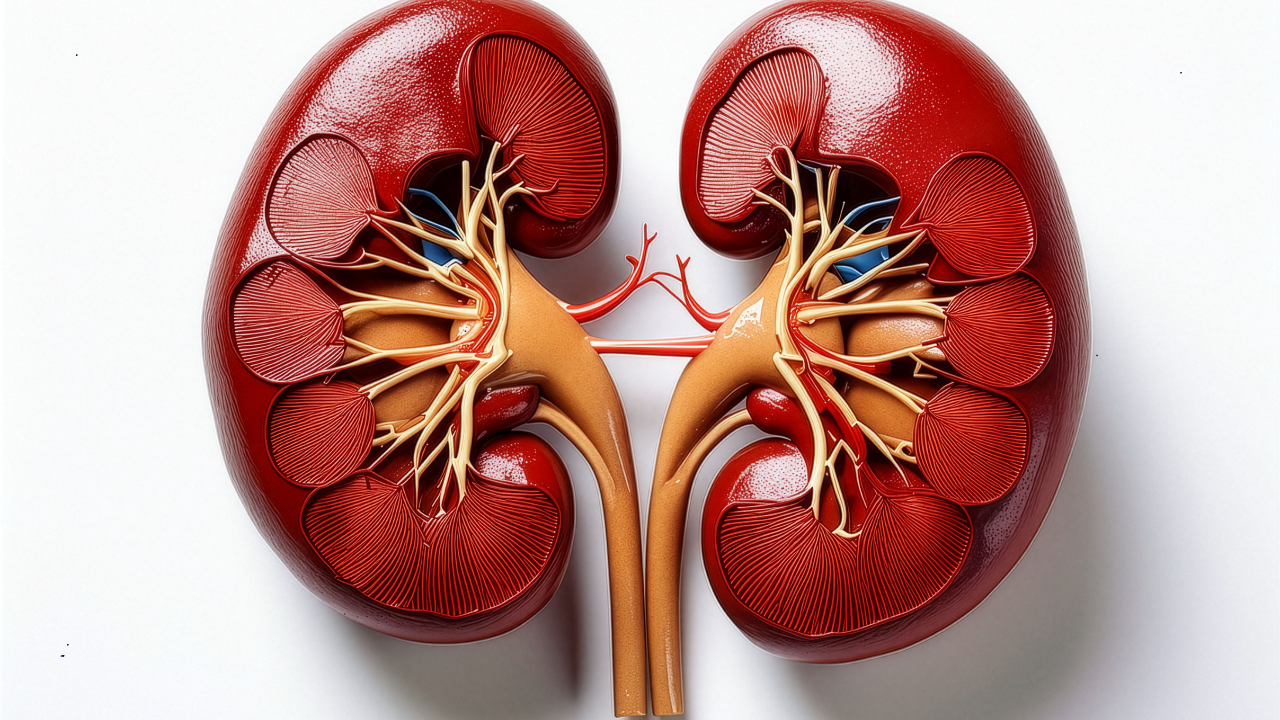
Kidneys are extraordinary organs that perform critical tasks on a continual basis, e.g., filtering out waste, keeping electrolytes balanced, controlling blood pressure, and providing metabolic stability.However, many people don’t pay enough attention to keeping their kidneys healthy until they discover that substantial damage has already happened.Some of the most prevalent and underestimated threats to kidney functioning include uncontrolled blood pressure, chronic anxiety, and unhealthy living.The Effect Of Hypertension On Kidney FunctionHypertension (high blood pressure) is considered one of the most prevalent causes of CKD (chronic kidney disease) worldwide.The kidneys need the support of a complicated design of tiny blood vessels to carry out their task of removing waste from the bloodstream. An ongoing and increased blood pressure level will slowly harm these small blood vessels by reducing their ability to function normally. As time passes, this injury will result in scar formation of the kidney tissue, causing a continual decline in the kidney’s ability to filter.Hypertension is known as a silent killer because it frequently has no symptoms for many years. By the time someone experiences symptoms of high blood pressure, their kidneys may have already been damaged for a considerable period.Chronic stress is often overlooked as an indirect cause of kidney damage. When we are under chronic stress, our sympathetic nervous system is activated, and the amount of stress hormones (cortisol and adrenaline) in our bodies increases. These physiological changes lead to prolonged increases in blood pressure and blood glucose; both of these risk factors are bad for our kidneys. Chronic stress may cause people to engage in unhealthy coping strategies like poor diet, smoking, consuming alcohol, or not being physically active, which also increases their risk of kidney damage.Our long-term kidney function is largely determined by lifestyle choices, including our dietary habits. Diets high in sodium, processed foods, and unhealthy fats increase the probability that you will develop hypertension, metabolic disorders, or some combination of both of these, which puts even more strain on your kidneys.The sedentary lifestyle associated with obesity, insulin resistance, and cardiovascular disease are all significant contributors to chronic kidney disease. Dehydration, taking large amounts of over-the-counter medications (especially NSAIDs), and using tobacco products are all additional risk factors for progressive loss of kidney function.Preventative Interventions For Kidney HealthMany of these risk factors can be addressed through prevention.Regular monitoring of blood pressure, using mindfulness and other methods to manage stress levels, and maintaining a healthy diet full of fruits, vegetables, and whole grains will all help to reduce the strain on your kidneys.Regular health screenings for people who have some of the above-mentioned risk factors (e.g., diabetes, high blood pressure, etc.) will give people an opportunity to identify problems early, giving them time to adjust their lifestyle or possibly seek some other type of treatment (e.g., taking medication).The Importance of Early Awareness and InterventionGaining and maintaining awareness of what contributes to the health of the kidneys can help protect the kidneys.Gaining awareness of and taking action against hidden risks, such as high blood pressure or chronic stress, and making positive changes to your lifestyle will help maintain kidney function and minimize the likelihood of developing long-term complications in the future.Early intervention is the most effective method for protecting the health of your kidneys.