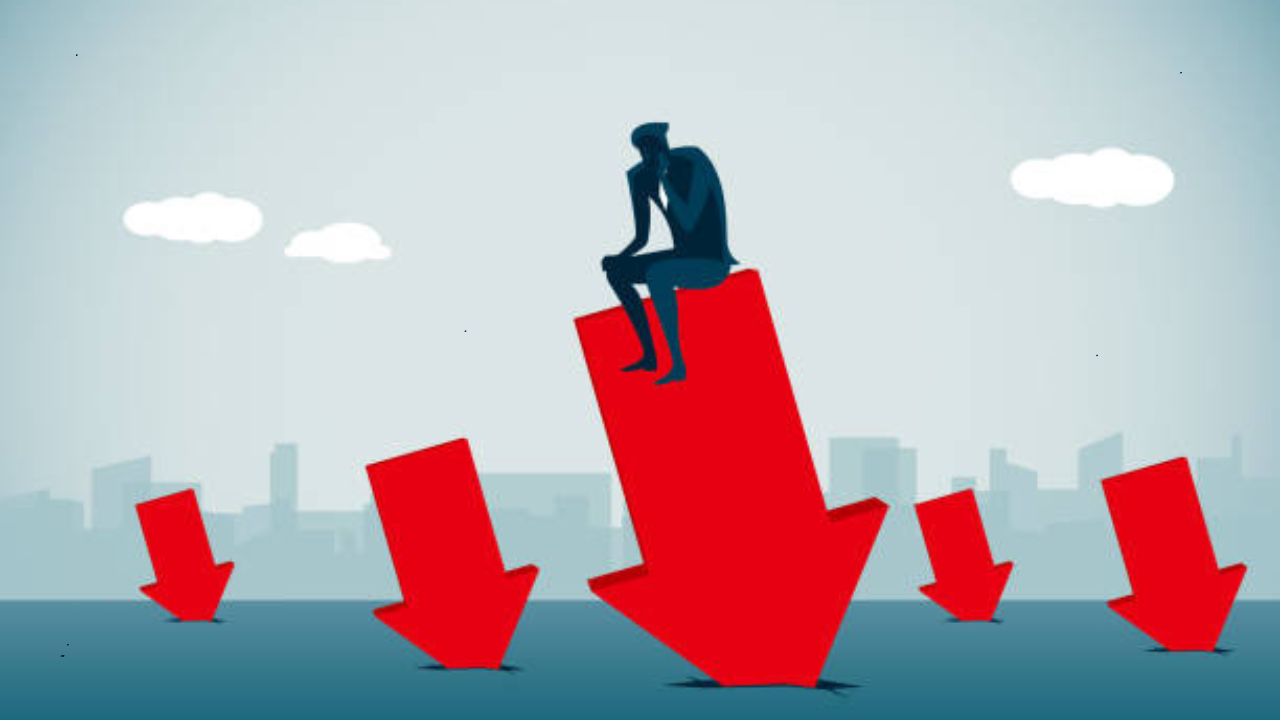
Depression in men often does not look like the depression we all know about. It is never visible sadness or a verbal expression of emotional pain. The emotional dish is missing from the life menu of a man.It hides behind productivity, irritability, exhaustion, or strong discipline. This masking makes it the most underdiagnosed mental health concern, frequently misread as stress, burnout, or simply personality traits.One of the key barriers in identifying depression in men is the way emotional awareness is shaped from an early age. Many men are conditioned to respond to discomfort through action rather than reflection. The moment something feels overwhelming, the instinct is not to sit with the feeling but to fix it, outperform it, or suppress it through movement—work, exercise, or distraction. While this can provide short-term relief, it often delays emotional processing and deepens internal distress over time.Clinically, this disconnect is often linked to alexithymia—a difficulty in identifying and articulating emotions. The emotional signal is present, but it does not translate easily into words. Instead of “I am sad” or “I feel afraid,” the experience gets reduced to “I am tired” or “I am stressed.” This limited emotional vocabulary can significantly affect help-seeking behavior like therapy and counselling, as the man does not recognize the depth or nature of what they are experiencing.Depression In Men: Poor Physical Health From a health perspective, unresolved emotional stress is not limited to the mind. It reflects in the body. Chronic fatigue, sleep disturbances, headaches, digestive issues, and muscle tension are some of the symptoms seen. Men who are very aware tend to see general physicians and not go to mental health professionals, treating physical symptoms while the psychological root remains unattended to.Another way is externalized emotion. Irritability, anger outbursts, or risk-taking behaviour are often socially accepted expressions of underlying emotional pain. A man working excessively, exercising compulsively, or withdrawing socially may, in fact, be coping with grief, loneliness, or anxiety, which are socially normal.Our culture around masculinity complicates diagnosis even more. Strength is seen with emotional control, and vulnerability is seen as weakness. Most men do not seek psychological support until symptoms become severe or functionally impairing. They struggle to express their internal state, reinforcing the cycle of silence.Depression In Men: Physiological IndicatorsUnderstanding depression in men requires shifting the lens from visible sadness to behavioral and physiological indicators. It requires mental health practitioners and caregivers to look beyond surface functionality and recognise that high performance can coexist with deep emotional distress.Early intervention is very important. Creating environments where emotional language is normalised without judgement or immediate problem-solving can significantly improve the situation. When men are given consistent permission to articulate internal states without fear of stigma, the gap between emotional experience and expression begins to close.“Expressing your feelings should lead to a deeper connection, not conflict. It should invite empathy, not ego-driven reactions. It should bring relief, not retaliation or emotional punishment. If sharing your pain feels unsafe or punished, you are not in a healthy relationship—you are in an emotional environment where fear has replaced trust.”Depression in men is not a lack of feeling, but a lack of translation. True healing begins when that translation is finally allowed to happen.