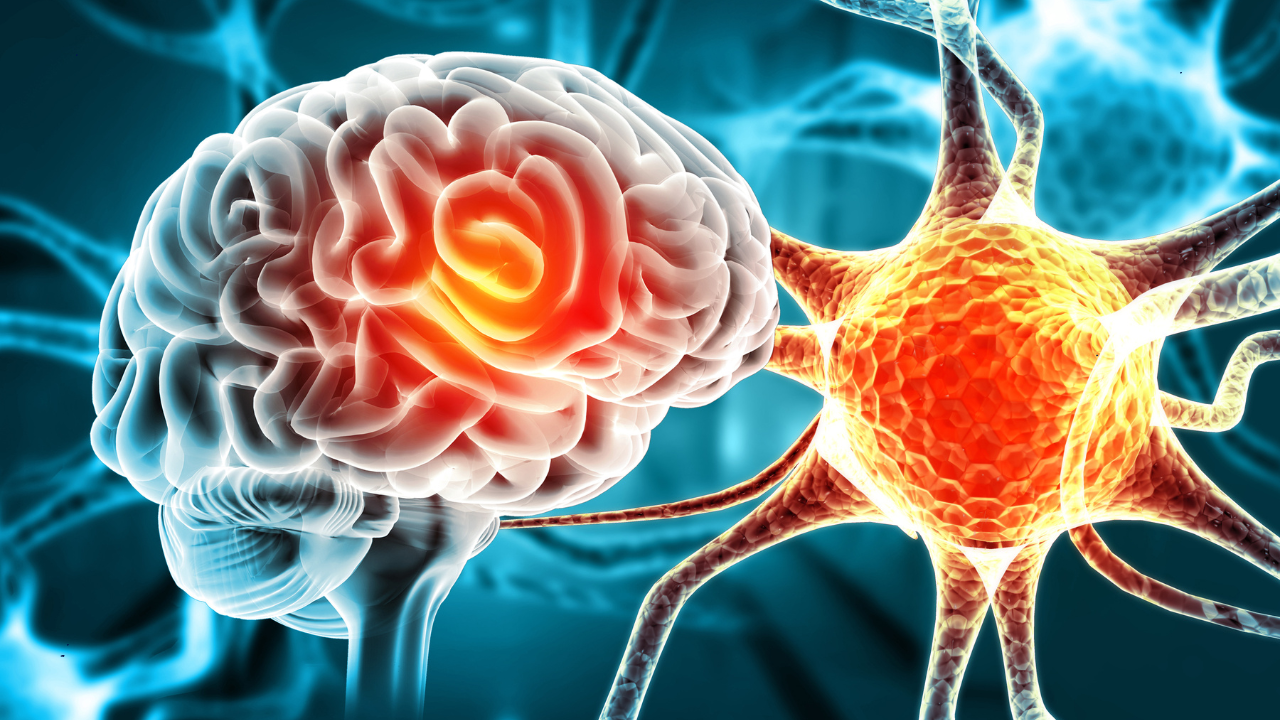
A brain tumor is an abnormal growth of cells within the brain or surrounding tissues. It can be benign or malignant, causing symptoms such as headaches, seizures, vision problems, and neurological changes. While significant advances in medical science have improved treatment outcomes, awareness among the general public remains crucial, as early recognition of symptoms can lead to timely intervention and better recovery.A brain tumor occurs when abnormal cells grow within the brain. The symptoms often vary depending on the size, type, and location of the tumor. Some of the common warning signs include persistent headaches, unexplained nausea or vomiting, seizures, blurred or double vision, weakness in the arms or legs, difficulty speaking, memory problems,changes in personality, loss of balance or coordination. While these symptoms do not always indicate a brain tumor, any persistent or unusual neurological symptoms should be evaluated by a medical professional without delay.Challenges With Brain TumorsOne of the biggest challenges associated with brain tumors is that they can affect essential functions such as movement, speech, memory, emotions, and decision-making. Even after successful treatment, some patients may continue to experience fatigue, difficulty concentrating, emotional stress, or challenges in returning to their normal daily activities. This is why recovery extends beyond surgery, radiation therapy, or medication.For patients and families, emotional support is equally important. Anxiety, fear, and uncertainty about the future are common after a diagnosis. Family members and caregivers often face physical, emotional, and financial pressures while supporting their loved ones. Open communication, counseling, and participation in support groups can play an important role in improving overall well-being.Several simple yet important steps can help individuals prioritize brain health and seek timely medical attention:Do not ignore persistent headaches or recurring neurological symptoms Seek immediate medical evaluation for unexplained seizures or sudden changes in speech, vision, or balance Attend regular health check-ups, especially if symptoms persist Follow medical advice carefully during and after treatment Focus on rehabilitation, including physiotherapy, speech therapy, or cognitive exercises when recommended Maintain a healthy lifestyle with balanced nutrition, adequate sleep, stress management, and regular physical activity It is important to remember that awareness, early diagnosis, timely treatment, rehabilitation, and emotional support all contribute to better outcomes. By recognizing the warning signs and supporting patients throughout their recovery journey, we can help improve the quality of life and ensure that no patient faces this challenge alone.