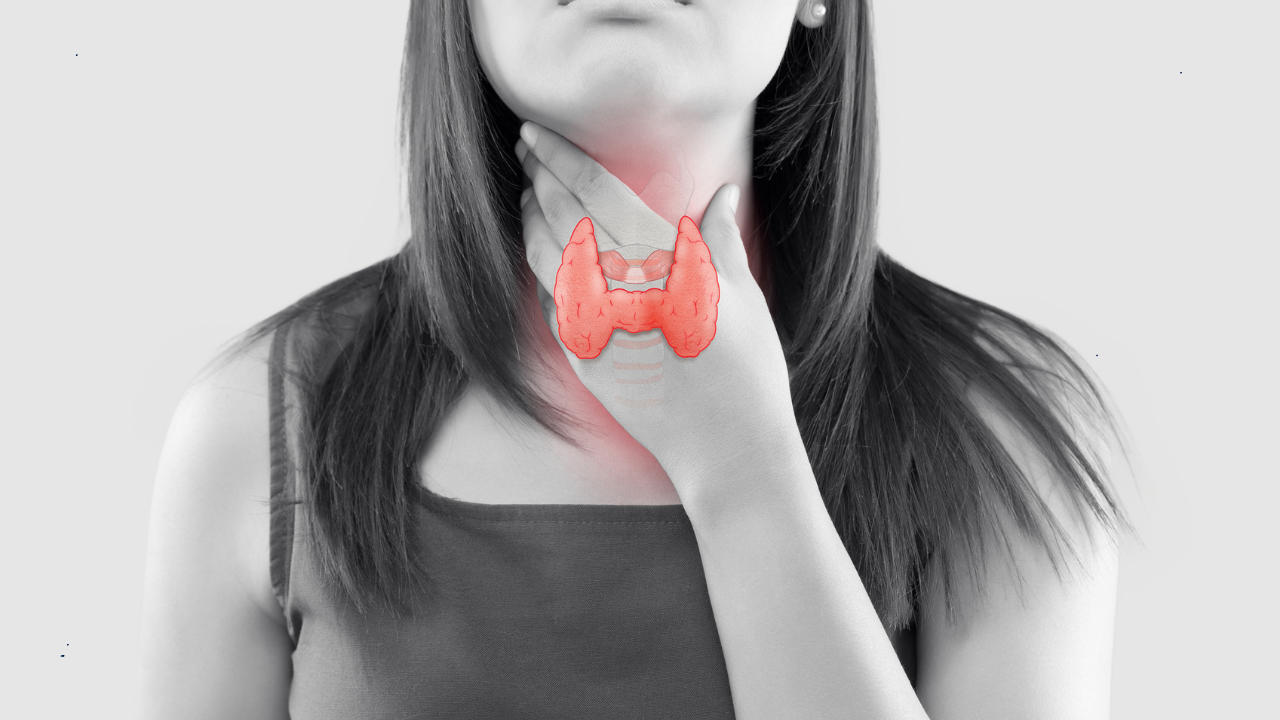
Thyroid problems are giving a tough time to many women. Are you aware? More women planning pregnancy are now being diagnosed with borderline thyroid levels. Here, the expert sheds light on the importance of early screening and timely care for better fertility outcomes. It is imperative for women to manage their thyroid health by following the vital tips.Thyroid issues are commonly seen in a large number of women. Currently, a large number of women who are planning pregnancy are being diagnosed with subclinical hypothyroidism. This condition is identified when thyroid-stimulating hormone (TSH) levels are slightly high, while other thyroid hormones remain within the normal range. Although it may not cause obvious symptoms, it can still impact fertility and pregnancy outcomes if left unmanaged.Understanding The Link Between Thyroid And FertilityThyroid hormones play an important role in regulating metabolism, menstrual cycles, and ovulation. Even a small amount of imbalance can interfere with the release of eggs, making it harder for women to conceive. Subclinical hypothyroidism can be detected by the expert during routine blood tests, that is, when women undergo pre-pregnancy check-ups or even fertility evaluations. The diagnosis can be surprising for women. That is the time some women may come to know about their compromised thyroid levels. So, the causes behind the rise in borderline TSH levels are lifestyle-related factors. You will be shocked to know that stress, poor diet, lack of sleep, and sedentary habits can affect hormonal balance. Even conditions such as Autoimmune Thyroiditis and iodine imbalance may also contribute to thyroid dysfunction. Since symptoms are usually mild or absent, many women will end up ignoring the symptoms and suffer in silence.While subclinical hypothyroidism may not always require aggressive treatment, it becomes important when a woman is trying to conceive. As even mildly elevated TSH levels can increase the risk of irregular ovulation, early pregnancy loss, and complications during pregnancy, prompt monitoring and, in some cases, low-dose thyroid medication can be recommended by the doctor to maintain optimal hormone levels.Women Must Follow These Tips: Women should opt for regular thyroid function tests before planning pregnancy to know the status of their thyroid health.It is necessary to consult an expert and follow a balanced diet with an adequate amount of iodine and nutrients.Strictly avoid junk, processed, and sugary foods, stay hydrated, quit smoking, and limit alcohol.It is also necessary to sleep well, exercise daily, and follow the doctor’s instructions regarding medication and follow-ups. So, women, stay vigilant and prevent thyroid problems.(By Dr Swati Rai, Consultant-Gynecologist and Laparoscopic Surgeon at Motherhood Hospitals, Noida.)