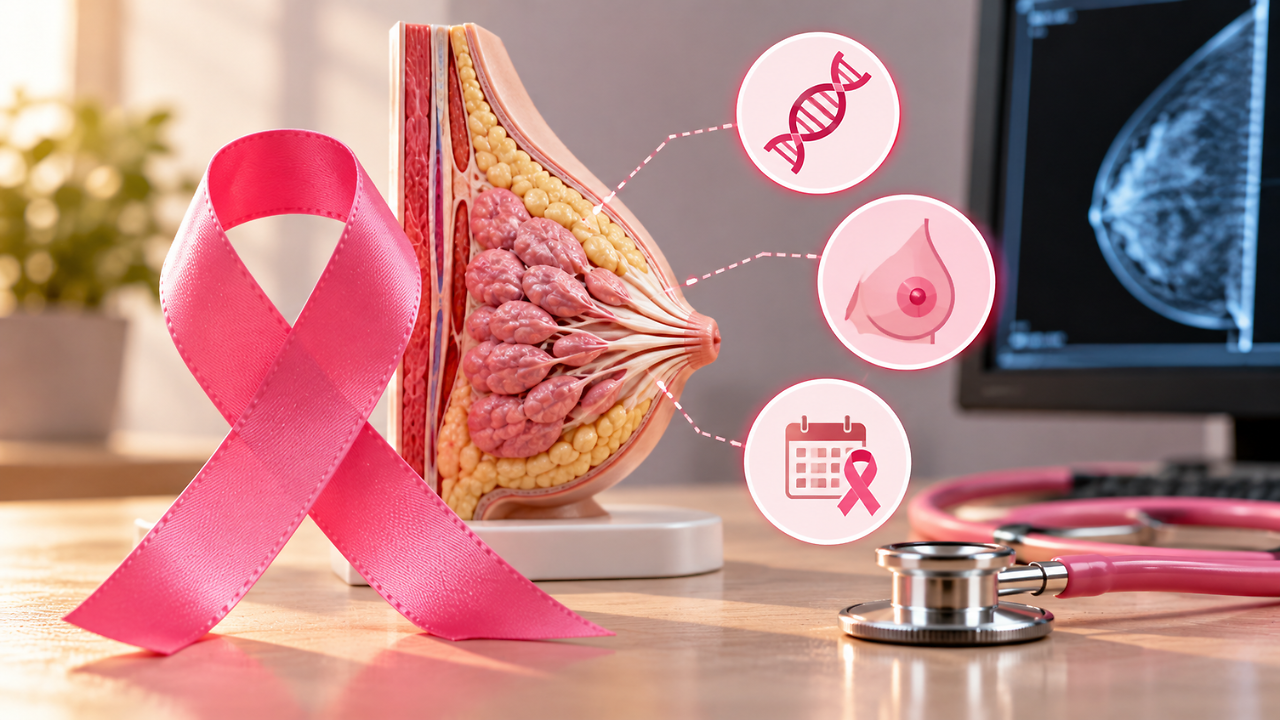
Breast cancer is the most common cancer among women in India. According to various estimates, it accounts for about 26% of all cancers diagnosed among women, with nearly 2,00,000 new cases estimated in India each year. Family history is not the only risk Family history is an important risk factor, as some women inherit genetic changes that can increase their risk of developing breast cancer. Hereditary breast cancers can result from inherited genetic susceptibility, including mutations in high- or moderate-penetrance genes. BRCA1 and BRCA2 are among the best-known genes associated with hereditary breast cancer. Therefore, knowing family history is important. But the absence of a family history does not mean that women are free from risk. In fact, around 80-85% of breast cancer cases occur in women with no known family history. These are generally referred to as sporadic cases. The risk factors Breast cancer risk factors can broadly be divided into those that cannot be changed and those that can potentially be modified. Among the non-modifiable factors are age and certain reproductive and hormonal factors. Longer lifetime exposure to hormones such as oestrogen and progesterone can increase breast cancer risk. Early menstruation, later menopause and having a first pregnancy at a later age are some factors associated with longer hormonal exposure. Potentially modifiable risk factors are largely lifestyle-related and include alcohol consumption, physical inactivity, excess body weight (particularly after menopause) and tobacco exposure. Maintaining a healthy weight, staying physically active, avoiding tobacco and limiting alcohol can help reduce the risk.Also read: Amanda Peet’s Breast Cancer Wasn’t A Lump: What Was Her First Sign?Five signs that should never be ignored The five important warning signs include: A new, hard lump in the breast or armpit, particularly if it is increasing in size.A change in the size or shape of one breast, especially when it creates a new difference in breast symmetry.Unusual nipple discharge, particularly spontaneous discharge that is clear or bloody.Changes involving the nipple, such as a newly inverted nipple.Changes in the breast skin, including thickening, dimpling, puckering or a change in its appearance or texture. These signs do not automatically mean cancer. But they should not be ignored.Also read: Mammogram May Spot Hidden Heart Risk That Doctors Miss In WomenGet checked if you notice a change If you notice any of these signs, particularly a new or persistent change in your breast, do not ignore it or try to diagnose it yourself. Seek medical evaluation promptly. A doctor will assess the breast and, if necessary, recommend what is known as a triple assessment: a clinical examination, breast imaging such as ultrasound or mammography, and tissue diagnosis when required. In selected cases, an MRI may also be recommended. Tissue sampling may involve Fine Needle Aspiration Cytology or a core/true-cut biopsy. Together, these assessments help determine whether a breast abnormality is benign or malignant. It is important to distinguish this from screening. Screening is done in women who do not have symptoms, with the aim of detecting breast cancer at an early stage. When a woman has a symptom or notices a new breast change, she needs diagnostic evaluation rather than simply screening. Don't panic: most breast lumps are benign Finding a lump can understandably cause anxiety. However, most breast lumps, particularly in younger women, are benign. Common causes include fibroadenomas, breast cysts and fibrocystic changes. Fibrocystic changes are often influenced by hormonal fluctuations. A lump may become more prominent or painful one to two weeks before menstruation and become smaller or less uncomfortable after the period. Some women may also experience a feeling of heaviness or tenderness in the breast. An injury to the breast can also result in tissue damage and inflammation, producing a lump-like area. Therefore, a lump should not be assumed to be cancer, but neither should it be dismissed without appropriate evaluation. Early detection can make a significant difference in the successful management of breast cancer. Women should remember that having no family history does not mean they are not at risk. At the same time, a breast lump or other change does not necessarily indicate cancer. The key is to know your own breasts, be aware of the warning signs and seek timely medical evaluation whenever a new or persistent change is noticed.By Dr Megha B - Surgical Oncologist in Trichy - Breast, GI & Cancer Surgery Specialist, Kauvery Hospital