
- Health Conditions A-Z
- Health & Wellness
- Nutrition
- Fitness
- Health News
- Ayurveda
- Videos
- Medicine A-Z
- Parenting
Candida Auris Spreads Across 26 US States; Here’s Who Is Most At Risk

Credits: Canva
A dangerous, drug-resistant fungus has infected more than 7,000 people across 27 US states, including Mississippi, in 2025, federal health data shows. The infection, known as Candida auris, is classified as an “emerging infectious disease,” after doctors and public health experts noted a steady rise in cases since 2019, according to specialists at the Cleveland Clinic.
As of December 20, Mississippi had reported 108 cases of the fungal infection, based on figures from the Centers for Disease Control and Prevention. Here is what you need to know about Candida auris cases in Mississippi.
What Is Candida Auris?
Candida auris is a type of yeast that spreads quickly among patients who are already ill, particularly in hospitals and other healthcare settings, CDC experts say. The fungus can cause a range of infections, from those affecting the skin to severe and potentially fatal bloodstream infections.Treating it is challenging because the organism can adapt to medications meant to eliminate it, health experts note. C. auris mainly affects people with serious underlying health problems and those using invasive medical devices such as ventilators, feeding tubes, or catheters, according to the CDC.
The fungus spreads through contact with contaminated surfaces and objects and can remain on a person’s skin or other body areas even when no symptoms are present. Experts say healthcare workers and visitors are not considered at risk of becoming infected.
Candida Auris: What Are The Symptoms?
Symptoms of Candida auris are not always noticeable, but when they do appear, they may include the following, according to the Cleveland Clinic:
- Ear infections
- Wound infections
- Urinary tract infections
- Blood infections that spread throughout the body
Candida Auris: How Can It Be Prevented?
The CDC advises healthcare facilities to take several steps to limit the spread of Candida auris, including:- Regular hand hygiene using alcohol-based hand sanitizer
- Isolating patients who test positive for C. auris
- Frequent and thorough cleaning of patient rooms
- Using gloves and gowns while providing care
- Ensuring visitors clean their hands with soap and water or alcohol-based sanitizer
Which US States Have Reported Cases Of Candida Auris?
According to CDC data as of December 20, cases have been reported in the following states:
- Pennsylvania
- Illinois
- Indiana
- Michigan
- Ohio
- Wisconsin
- Iowa
- Kansas
- Delaware
- Georgia
- Maryland
- North Carolina
- Virginia
- West Virginia
- Kentucky
- Mississippi
- Tennessee
- Louisiana
- Texas
- Arizona
- Colorado
- Montana
- Nevada
- Utah
- Wyoming
- California
- Oregon
Drug Resistance For Candida Auris Grows
Candida auris, often referred to as a “superbug fungus,” is continuing to spread worldwide and is becoming increasingly resistant to both antifungal drugs and the human immune response, researchers at the Hackensack Meridian Center for Discovery and Innovation said in a review published in early December.
The findings support earlier CDC warnings that labeled C. auris an “urgent antimicrobial threat,” making it the first fungal pathogen to receive that classification, as case numbers have climbed sharply in the United States, especially in hospitals and long-term care facilities.
The review, published in the journal Microbiology and Molecular Biology Reviews, explains why the fungus is so difficult to control and highlights how outdated testing methods and limited treatment options have failed to keep pace. The research was led by Dr. Neeraj Chauhan of Hackensack Meridian CDI in New Jersey, Dr. Anuradha Chowdhary from the University of Delhi’s Medical Mycology Unit, and Dr. Michail Lionakis, head of the clinical mycology program at the National Institutes of Health.
In their statement, reported by Fox News, the researchers emphasized the urgent need to develop new antifungal drugs with broad effectiveness, improve diagnostic tools, and explore immune-based and vaccine-related treatments to better protect high-risk patients.
Your Coffee Cup Is Exposing You To Microplastics, Study Suggests

Credit: Canva
The takeaway coffee cup in your hand may be releasing a sea of microplastics into your body every time you take a sip, a new study reveals.
Microplastics are essentially fragments of plastic that are between 1 nanometer and 5 millimetres wide and can found in water, soil and the air. Experts estimate that about 2.7 million tonnes of microplastics seeped into the environment in 2020, an estimate expected to double by 2040.
These fragments carry toxic chemicals and can disrupt internal biological processes, leading to inflammation, cell death, organ dysfunction, heart attacks and reproductive issues in humans. Scientists have also found links between microplastics and cancer.
While researchers have long claimed that microplastics can enter the human body through contaminated food and water, a new Australian study suggests it can also enter through hot coffee cups.
Why Are Plastic Coffee Cups Dangerous?
Based on the Journal of Hazardous Materials: Plastics study, cups made of plastic or with a thin plastic lining can shedding thousands of tiny plastic fragments directly into your drink when filled with hot coffee.Xiangyu Liu, study co-author and research fellow at School of Environment and Science and Australian Rivers Institute, Griffith University, Nathan, said this was due to heat.
The team conducted a a meta-analysis on existing research and analyzed data from 30 peer-reviewed studies. During this time, they focused on how common plastics such as polyethylene and polypropylene behave under different conditions, primarily temperature.
As the temperature of the liquid inside a container increased they noticed that the release of microplastics generally increases too. In the studies reviewed, reported releases ranged from a few hundred particles to more than 8 million particles per litre, depending on the material and study design.
Interestingly, 'soaking time' or the amount of time the drink sits in the cup was not a consistent driver, suggesting that leaving a hot drink in a plastic cup for a long time is not as important as the initial temperature of the liquid when it first hits the plastic.
After testing nearly 400 different cups, they found that if someone drinks '300 millilitres of coffee in a cup made of polyethylene per day, they could ingest 363,000 pieces of microplastic particles every year', according to Liu
What Can Be Done To Reduce Risks?
The team recommends using a reusable cup made of stainless steel, ceramic, or glass, as these materials do not shed microplastics for hot drinks. If you must use a disposable cup, its is better to drink out of a plastic-lined paper cup as they shed fewer particles than pure plastic cups, though neither is microplastic free.
They also advise not pouring putting boiling liquids directly into plastic-lined containers. Telling the barista to make your morning coffee slightly cooler before it hits the cup can reduce the physical stress on the plastic lining and lower overall exposure.
This Natural Amino Acid In Your Mouth Can Prevent Tooth Decay And Cavities
Credit: Canva
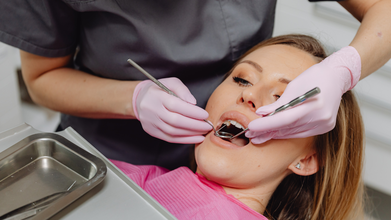
While doctors across the world recommend ensuring that fluoride and other protective minerals make up your toothpaste, your body produces its very own amino acid that protect your entire dental cavity.
Arginine, an amino acid that is already present in saliva, can turn bacteria from damaging to protective in your mouth, a study has found.
When sugars from food are broken down by the many bacteria living in the mouth, acids are produced that gradually damage tooth enamel and lead to cavities. This is known as dental caries. Over time, this acid dissolves tooth enamel and causes cavities.
However, researchers at Aarhus University in Denmark have discovered that regular arginine treatment can significantly reduced the overall acidity levels in the mouth and prevent tooth decay.
Yumi Del Rey, microbiologist at Aarhus, said: ""Our results revealed differences in acidity of the biofilms, with the ones treated with arginine being significantly more protected against acidification caused by sugar metabolism."
How Did The Study Take Place?
The Danish scientists recruited 12 participants with active caries and prepared specialized dentures for the collection of intact biofilms, spanning both sides of the jaw.Volunteers were then asked to instructed to dip the dentures in a sugar solution for 5 minutes, immediately followed by distilled water (as placebo) or arginine for 30 minutes, one on each side. This was to be repeated three times a day, with arginine treatment done on the same side each time.
Sebastian Schlafer, professor at the Department of Dentistry and Oral Health, explained: "The aim was to investigate the impact of arginine treatment on the acidity, type of bacteria, and the carbohydrate matrix of biofilms from patients with active caries."
After 4 days of this process, the biofilms were developed and the dentures were removed for detailed analysis. The researchers compared dental plaques grown on customized dentures on both sides of each participant's mouth using a special pH-sensitive dye called C-SNARF-4.
How Does Arginine Work?
Biofilms treated with arginine showed a significantly higher pH (lower acidity), altered biofilm structure and reduced harmful bacteria, highlighting the amino acid's potential in preventing dental caries.Additionally, the team also began to look into how arginine might be reducing acidity, by taking stock of which bacteria and sugars were present in each sample.
Biofilms treated with arginine showed lower levels of a sugar called fucose, while another sugar, galactose, was concentrated towards the outer surface of the biofilm, meaning both sugars were away from the tooth enamel.
After analyzing the DNA of bacteria present, the researchers found that arginine treatment significantly reduced a specific population of Streptococcus bacteria known to produce acid, while slightly increasing other bacterial strains that can metabolize arginine.
The scientists noted that while more research is needed into the arginine's effectiveness, the amino acid could be a promising new addition to oral hygiene products such as toothpaste or mouthwash.
Cancer Survival In US Is Improving, And Numbers Tell A Hopeful Story

Credits: Canva
For decades, a cancer diagnosis often came with fear and uncertainty. Today, that narrative is slowly changing. New national data shows that more people diagnosed with cancer in the United States are living longer than ever before, reflecting steady progress in prevention, early detection, and treatment.
For the first time, the five-year survival rate across all cancers has reached 70 percent. That means seven out of ten people diagnosed with cancer now live at least five years after diagnosis, a significant improvement from the mid-1970s, when survival hovered around 50 percent. This shift marks one of the most encouraging milestones in modern cancer care.
Why Survival Rates Are Rising
Several factors are driving this improvement. Reduced tobacco use has played a major role, particularly in lowering deaths from lung and other smoking-related cancers. At the same time, better screening tools are catching cancers earlier, when treatment is more likely to work. Advances in therapies, including targeted drugs, immunotherapy, and improved chemotherapy regimens, have also transformed outcomes for many patients.
What stands out is that survival gains are not limited to less aggressive cancers. Even cancers once considered highly fatal, such as lung cancer, liver cancer, and certain blood cancers, are seeing meaningful improvements. In some advanced-stage cancers where survival was previously measured in months, people are now living years longer than expected.
Living Longer, Even With Advanced Cancer
One of the most striking trends is improved survival among people with metastatic cancer, where the disease has spread to other parts of the body. While these cancers remain difficult to treat, progress is undeniable. Survival rates for metastatic lung cancer, for example, have increased severalfold since the 1990s. Similar gains have been seen in metastatic colorectal cancers.
These improvements suggest that cancer is increasingly being managed as a long-term condition rather than an immediate terminal illness for many patients. Continued research has played a critical role in making this possible.
The Role of Research and Funding
The steady rise in survival has not happened by chance. It reflects decades of scientific investment, clinical trials, and innovation. However, experts warn that recent cuts to health research funding could slow future progress. Breakthroughs in cancer care rely heavily on sustained support for research, and disruptions to that pipeline could affect outcomes years down the line.
While the current numbers are encouraging, they also serve as a reminder that progress must be protected and expanded.
Persistent Gaps and Disparities
Despite overall gains, cancer outcomes are not improving equally for everyone. The report highlights ongoing racial and ethnic disparities in both cancer incidence and survival. Certain populations continue to experience higher death rates and lower survival, often due to limited access to early screening, timely diagnosis, and high-quality treatment.
Lung cancer is expected to remain the leading cause of cancer-related deaths in the coming years. While smoking remains the biggest risk factor, an increasing number of people who have never smoked are also being diagnosed, raising new questions about environmental and genetic risks. Some experts argue that screening guidelines need to evolve to reflect these changes.
A Growing Community of Survivors
As survival improves, the number of people living with a history of cancer is rapidly growing. There are already over 18 million cancer survivors in the US, and that number is expected to cross 22 million within the next decade. This brings new challenges.
Survivors often face long-term physical, emotional, and financial effects, and the healthcare system is still catching up when it comes to consistent survivorship care. Many primary care providers are not trained to monitor cancer recurrence or manage late treatment effects, leaving gaps in follow-up care.
- Follow Us :


© 2024 Bennett, Coleman & Company Limited